
A landmark infrastructure partnership between Kenya and Uganda aims to finalize a strategic railway connection that promises to transform regional trade and economic integration across East Africa.
Kenya and Uganda have announced a renewed commitment to complete a vital railway link that will connect their capital cities and strengthen economic ties throughout the East African region. The joint initiative represents a significant milestone in regional infrastructure development, with both nations pledging increased cooperation and resources to finalize the long-anticipated project. This railway connection is expected to reduce transportation costs, boost trade volumes, and enhance connectivity between landlocked Uganda and Kenya’s coastal port of Mombasa.
Background of the East African Railway Project
The railway project between Kenya and Uganda forms part of a broader vision for integrated infrastructure across East Africa. Historical railway connections dating back to the colonial era once linked the region, but decades of neglect left much of this infrastructure in disrepair or completely non-functional.
In recent years, both countries have invested heavily in modernizing their railway systems. Kenya launched its Standard Gauge Railway (SGR) project, which currently connects Mombasa to Nairobi and extends to Naivasha. The ambitious project was designed with the ultimate goal of linking Kenya’s coast to Uganda, Rwanda, and eventually the Democratic Republic of Congo.
Uganda, meanwhile, has been developing its own railway infrastructure plans, recognizing that improved rail connectivity would dramatically reduce the cost and time required to transport goods to and from international markets. For a landlocked nation, efficient access to seaports is crucial for economic competitiveness.
Details of the Joint Agreement
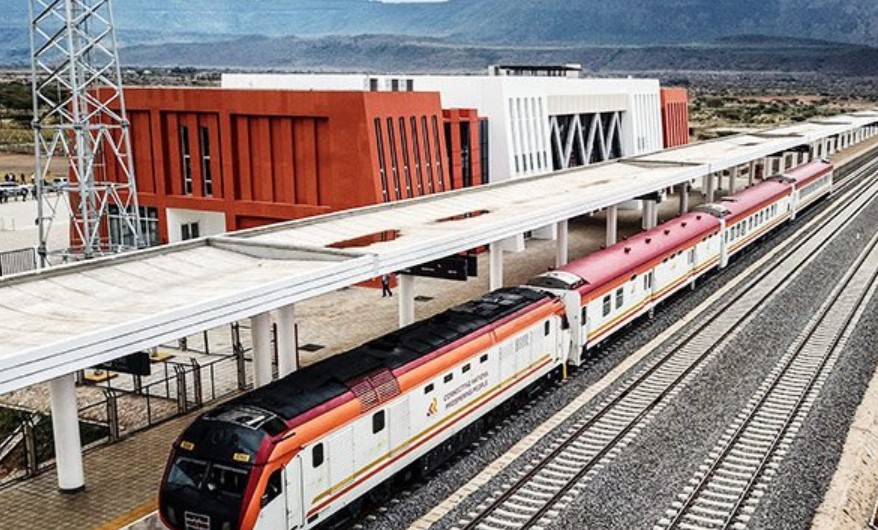
The renewed partnership between Kenya and Uganda addresses previous challenges that had slowed progress on the cross-border railway connection. Both governments have committed to aligning their infrastructure standards, coordinating construction timelines, and establishing joint oversight mechanisms to ensure the project moves forward efficiently.
According to transportation officials from both nations, the railway link will utilize standard gauge specifications, ensuring compatibility with Kenya’s existing SGR infrastructure. This standardization is essential for seamless movement of freight and passengers across borders without the need for cargo transfers or gauge changes.
The planned route will extend from Naivasha in Kenya through the border town of Malaba, continuing to Kampala, Uganda’s capital. This corridor represents one of the busiest trade routes in East Africa, with thousands of trucks currently transporting goods between the two countries daily.
Economic Implications and Trade Benefits
The completion of this railway link carries enormous economic potential for both nations and the wider East African Community. Transportation experts estimate that rail freight costs approximately 40 to 60 percent less than road transport over similar distances, which could translate into significant savings for businesses and consumers.
Uganda currently relies heavily on Kenya’s Mombasa port for nearly all its international trade. However, the existing road network faces challenges including congestion, high maintenance costs, and lengthy transit times. Cargo often takes several days to move from Mombasa to Kampala by truck, with additional delays at border crossings.
The railway connection promises to reduce transit time to approximately 24 to 36 hours for freight shipments. This efficiency gain would make Ugandan exports more competitive in international markets and reduce the cost of imported goods, potentially lowering prices for consumers.
Beyond bilateral trade, the railway forms a critical component of regional integration efforts. Rwanda, Burundi, South Sudan, and eastern Democratic Republic of Congo all depend on transport corridors through Uganda and Kenya. Improved rail infrastructure benefits these nations by providing more efficient access to seaports and regional markets.
Infrastructure Development Challenges
Despite the promising prospects, the railway project has faced numerous challenges over the years. Financing remains one of the most significant obstacles, as railway construction requires substantial capital investment. Both governments have explored various funding models, including public-private partnerships, development loans, and regional financing mechanisms.
Technical challenges also exist, particularly in coordinating construction across different jurisdictions and ensuring consistent quality standards. The terrain between Kenya and Uganda includes varying topography that requires careful engineering solutions, including bridges, cuttings, and potentially tunnels in certain sections.
Border infrastructure and customs procedures represent another area requiring attention. For the railway to achieve its full potential, both countries must streamline cross-border processes to prevent delays that would undermine the speed advantages of rail transport.
Regional Cooperation and the East African Community
This railway initiative exemplifies the type of cooperation envisioned by the East African Community (EAC), which seeks to promote regional integration through shared infrastructure, common markets, and coordinated policies. The EAC has long identified transportation infrastructure as a priority area for collective investment.
The railway project aligns with the EAC’s broader infrastructure development framework, which includes plans for road networks, energy interconnections, and telecommunications systems spanning multiple member states. By working together on major infrastructure projects, East African nations aim to create economies of scale and reduce individual financial burdens.
Regional cooperation also extends to standardization of railway operations, safety regulations, and training programs for railway personnel. These elements ensure that the infrastructure operates efficiently and safely once construction is complete.
Environmental and Social Considerations
Modern railway development must address environmental sustainability and social impact concerns. Railway transport is generally more environmentally friendly than road freight, producing fewer emissions per ton of cargo transported. The shift from road to rail could therefore contribute to regional climate goals and reduce air pollution along major transport corridors.
However, railway construction itself requires careful environmental management. Both governments have indicated their commitment to conducting proper environmental impact assessments and implementing mitigation measures for affected ecosystems and communities.
Social considerations include land acquisition, resettlement of communities along the railway corridor, and ensuring that local populations benefit from the infrastructure investment. Creating employment opportunities during construction and operation phases represents an important aspect of making the project beneficial to ordinary citizens.
Timeline and Next Steps
While specific completion dates depend on various factors including funding availability and construction progress, officials from both countries have expressed determination to accelerate the project. Recent diplomatic engagements and technical meetings suggest renewed momentum behind the initiative.
The immediate priority involves finalizing technical specifications, securing remaining financing, and beginning construction on outstanding sections. Both governments have established joint technical committees to oversee implementation and address challenges as they arise.
Regular progress reviews and coordination meetings between Kenyan and Ugandan officials will help maintain momentum and ensure accountability. Transparency in procurement processes and construction standards will be essential for maintaining public confidence in the project.
Looking Ahead: Future of East African Rail Networks
The Kenya-Uganda railway link represents just one component of a broader vision for interconnected rail networks across East Africa. Future extensions could potentially reach Rwanda, connecting Kigali to the coastal trade corridor. Additional branches might serve mining regions, agricultural zones, and industrial centers throughout the region.
As these railway networks expand, they have the potential to fundamentally reshape economic geography in East Africa. Cities connected by efficient rail services may attract increased investment, while improved logistics could enable new industries to develop in previously isolated areas.
The success of this bilateral project could serve as a model for other regional infrastructure initiatives, demonstrating the benefits of coordinated planning and shared investment. It may also encourage additional partners, including private sector investors and international development institutions, to support similar projects across the continent.
Conclusion
The joint commitment by Kenya and Uganda to complete their strategic railway link marks an important step forward for East African infrastructure and economic integration. Despite past challenges, renewed cooperation between the two nations signals determination to realize the substantial benefits this connection promises.
When completed, the railway will not only enhance bilateral trade but also strengthen regional connectivity, reduce transportation costs, and support economic development across multiple East African nations. The project exemplifies how collaborative infrastructure investment can generate shared prosperity and advance regional integration goals.
As construction progresses and both countries work to overcome remaining obstacles, the railway link stands as a testament to the potential of regional cooperation in addressing common challenges and building foundations for sustained economic growth. The coming years will reveal whether this ambitious vision can be fully realized, potentially setting a precedent for infrastructure development across Africa.
Reported by: Bosibori Damaris


