Breaking News: Trump Administration Facilitates First Phase of Gaza Peace Agreement
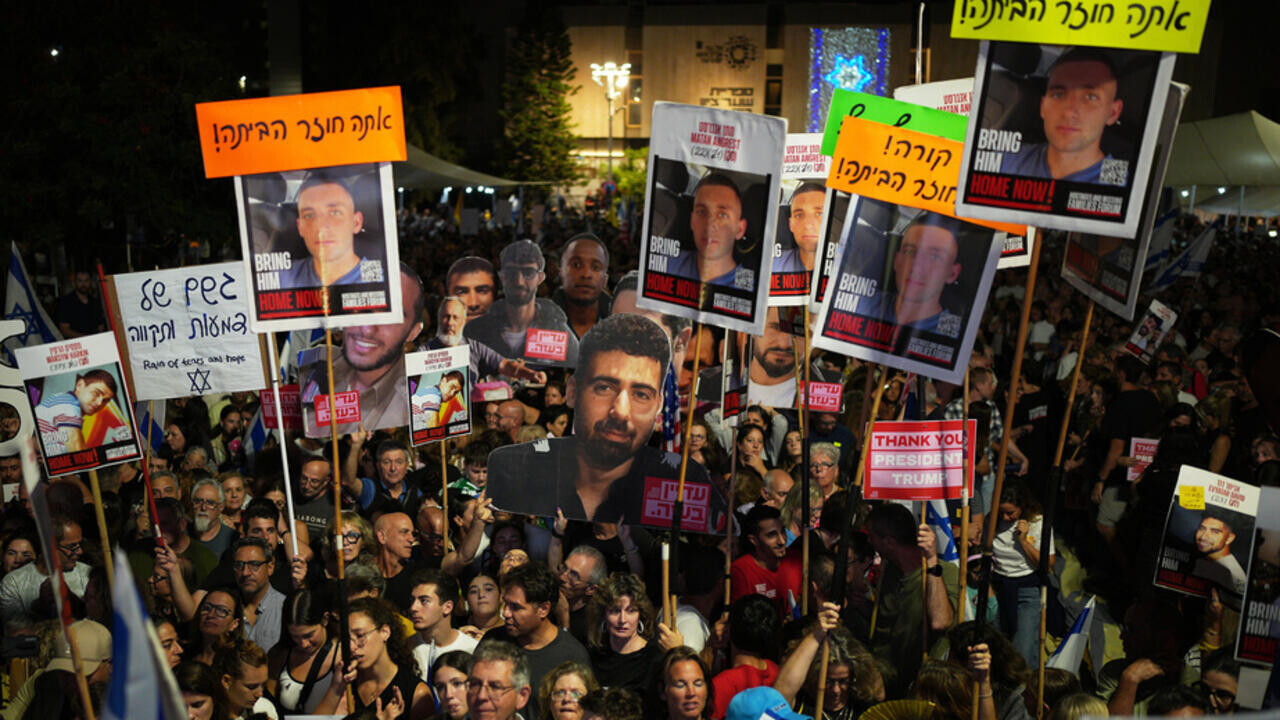
A ceasefire between Israel and Hamas came into effect in Gaza on Friday, ending months of delays and disappointments. The agreement marks the first phase of a deal in which all remaining hostages—alive and dead—will be released from Gaza in exchange for an as-yet undetermined number of Palestinians being held in Israeli prisons. This development represents a significant diplomatic breakthrough after nearly two years of intense conflict in the region.
Understanding the Ceasefire Agreement
Key Components of Phase One
The ceasefire includes a pause in fighting and the release of Israeli hostages and Palestinian prisoners. The agreement establishes a structured framework designed to address the immediate humanitarian crisis while creating conditions for longer-term peace negotiations. Under the terms of the agreement, Israel and Hamas agreed to a release of all the hostages held in Gaza for an exchange of Palestinian prisoners, as well as a partial withdrawal of Israeli troops from the besieged enclave.
Timeline for Implementation
According to the Israeli prime minister’s office, Hamas will have three days to release the hostages still in captivity, and Israel will free some Palestinian prisoners. The phased approach provides clear benchmarks for tracking compliance and maintaining momentum toward a comprehensive settlement. Trump said he plans to travel to Egypt for an official signing of the ceasefire deal, signaling strong international commitment to the agreement’s success.
International Diplomatic Efforts
The Trump Administration’s Role
United States President Donald Trump announced that Hamas and Israel have agreed on the first phase of his plan for a ceasefire in the war on Gaza and an exchange of captives. The administration’s intensive diplomatic engagement proved instrumental in breaking an impasse that had stalled negotiations for months. According to multiple sources, the turning point came from diplomatic pressure combined with regional developments that created an opportune moment for compromise.
Global Response and Support
International leaders have welcomed the agreement, with statements emphasizing that the agreement must now be implemented in full, without delay, and accompanied by the immediate lifting of all restrictions on life-saving humanitarian aid to Gaza. The international community has expressed optimism that the ceasefire could provide a foundation for broader regional stability and normalization efforts.
For more insights on international relations and political developments, explore our latest news coverage to stay informed on critical global events.
The Humanitarian Crisis Context
Scale of the Conflict
The conflict has imposed an enormous humanitarian toll on the region. According to the Ministry of Health in Gaza, at least 65,419 Palestinians have been reportedly killed in Gaza and 167,160 have been injured. The prolonged fighting has displaced hundreds of thousands of civilians and devastated critical infrastructure including hospitals, schools, and residential areas.
Displacement and Access Issues
Over 82 percent of the Gaza Strip remains within the Israeli-militarized zone, under displacement orders, or where these overlap, as of October 1, 2025. The restriction of humanitarian access has severely impacted the delivery of food, medicine, and medical services. Organizations working in Gaza have reported significant challenges in reaching vulnerable populations, particularly in northern areas of the territory.
UN Humanitarian Response
With renewed hope for a ceasefire, the UN stands ready to scale up life-saving aid delivery across the Gaza Strip. The United Nations Relief and Works Agency (UNRWA) and partner organizations have prepared comprehensive plans to expand operations immediately following the ceasefire announcement. International organizations have been working to improve the lives of an additional 150,000 Palestinians by the end of 2025.
Regional Implications and Future Prospects
Potential for Broader Peace
The Israeli government could choose to capitalize on the momentum created by the Gaza ceasefire to consolidate its wins through a series of deals in the region, an approach that would align with the vision that Gulf states favor, facilitating regional de-escalation and integration. The successful negotiation of phase one has created optimism among diplomatic observers that subsequent phases addressing longer-term issues may be achievable.
Outstanding Issues
It is too early to declare the war over, as a number of issues remain outstanding, and further negotiations are needed. The agreement represents a foundation rather than a final settlement. Critical questions remain regarding the nature of Gaza’s governance, long-term Israeli security arrangements, Palestinian self-determination, and reconstruction efforts.
Modern peace processes increasingly rely on digital communication and data sharing to maintain transparency. Learn more about how governments use technology in conflict resolution and international negotiations in our technology section.
Implementation Challenges
While the ceasefire agreement is a significant achievement, successful implementation will require sustained commitment from all parties. Security concerns, political disagreements, and the deep mistrust built over decades of conflict present ongoing challenges. International monitors and mediators will play crucial roles in ensuring compliance and resolving disputes as they arise.
Economic and Reconstruction Considerations
The two-year conflict has resulted in extensive damage to Gaza’s physical infrastructure. Hospitals, schools, water systems, and power generation facilities require substantial reconstruction. The international community will need to coordinate substantial financial assistance to support rebuilding efforts while addressing immediate humanitarian needs.
For detailed analysis on economic recovery and development strategies, read our comprehensive economy coverage to understand how regions rebuild after major disruptions.
Employment and Economic Recovery
The prolonged fighting has devastated Gaza’s already fragile economy. Unemployment rates have reached critical levels, and basic services remain severely disrupted. Economic recovery will require phased reconstruction efforts alongside security stabilization and political resolution. International donors and development organizations are preparing long-term assistance programs.
Conclusion: A Step Toward Stability
The announcement of the Gaza ceasefire agreement represents a significant diplomatic achievement after months of intensive negotiations and persistent international efforts. Thousands of Palestinians have begun walking from the south of Gaza toward Gaza City in the north, and the Israeli military is pulling back its forces, in accordance with the deal.
The agreement’s success will depend on rigorous implementation, international oversight, and continued diplomatic engagement. While phase one focuses on immediate humanitarian concerns and hostage exchanges, the path toward lasting peace requires addressing deeper structural issues that have fueled conflict for decades.
The coming weeks and months will be critical in determining whether this ceasefire can hold and whether it can serve as a foundation for comprehensive peace. The international community, regional actors, and the people of Gaza all have significant stakes in ensuring this diplomatic breakthrough translates into sustained stability and improved living conditions for civilians affected by the conflict.
Related Reading:
- Back to latest news for more updates on this developing story
- Explore our world news section for comprehensive international coverage