Tensions escalate in border town as military presence sparks safety concerns and economic disruption
Introduction
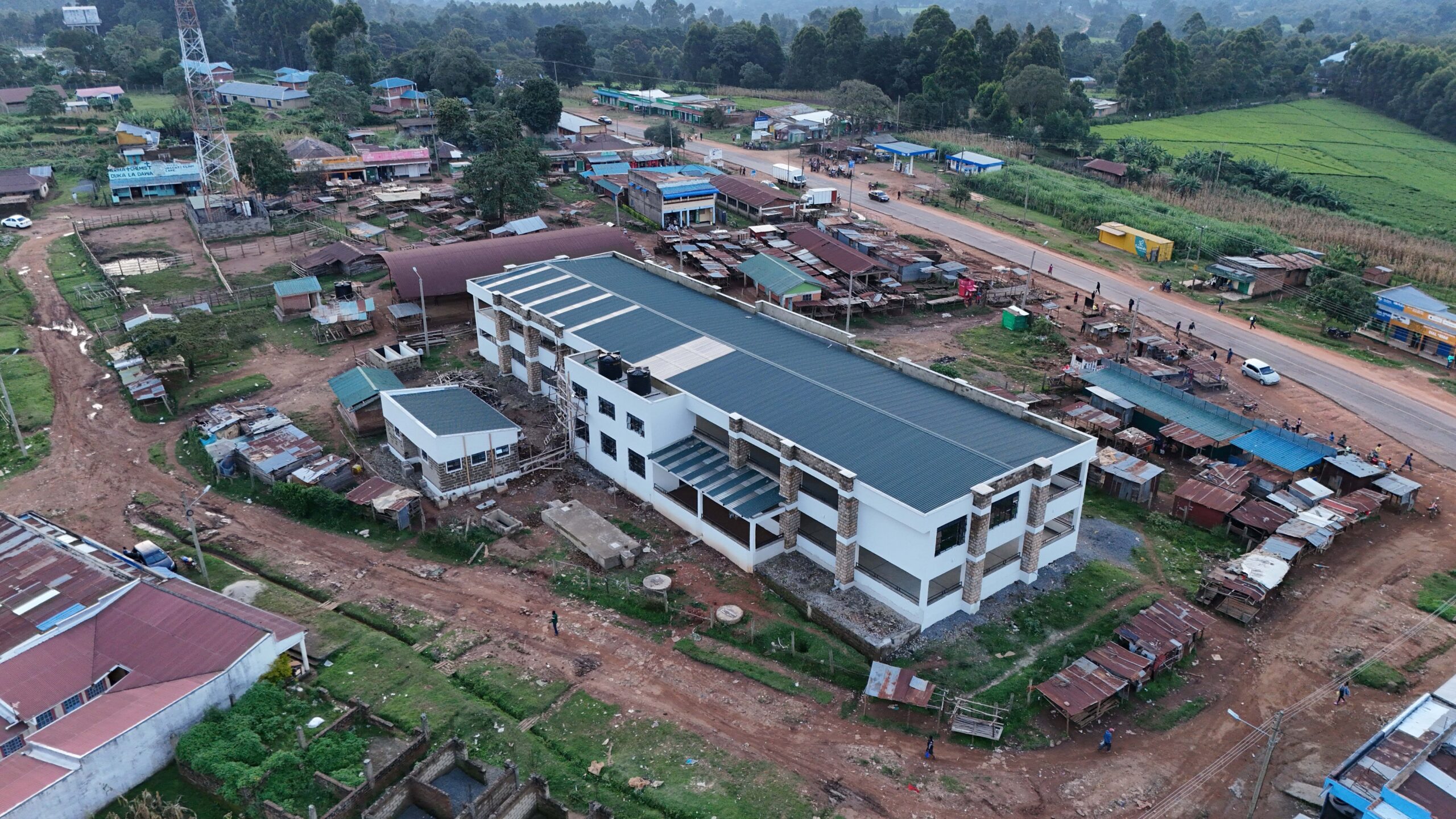
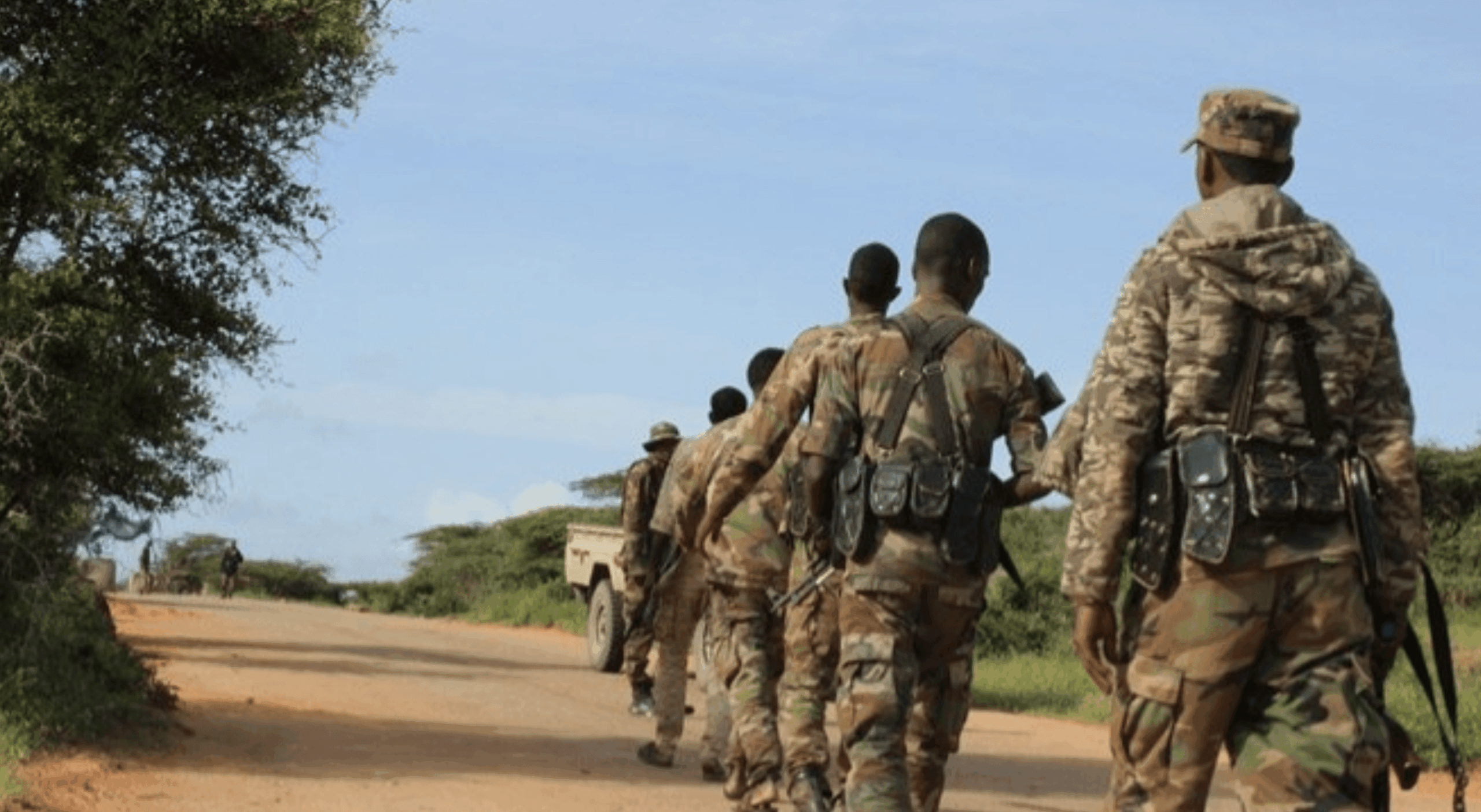
Mandera town has been plunged into uncertainty following reports of chaos attributed to the presence of Jubaland troops in the border region. Local residents have expressed growing concerns over security and stability, leading to the temporary closure of schools and commercial establishments across the town. The situation has raised questions about cross-border military movements and their impact on civilian life in this sensitive frontier area between Kenya and Somalia.
Background: Mandera’s Strategic Border Position
Mandera County sits at the tri-point border junction where Kenya meets Somalia and Ethiopia, making it one of the most strategically significant yet vulnerable regions in East Africa. The town has historically experienced security challenges stemming from its proximity to Somalia, including threats from militant groups and tensions related to cross-border clan dynamics.
The region has long been affected by the complex political situation in Somalia, where federal government forces and regional state militaries sometimes operate independently. Jubaland, one of Somalia’s federal member states, maintains its own security forces that occasionally operate near the porous border with Kenya.
Cross-border trade and family ties have historically linked communities on both sides of the frontier. However, military movements and security operations can quickly disrupt the delicate balance that allows normal life to continue in these borderlands.
The Current Crisis: What Happened in Mandera
According to local sources, the recent turmoil began when Jubaland military forces were reported to have crossed into areas near Mandera, creating alarm among residents. The exact circumstances surrounding the troop movements remain unclear, with conflicting accounts emerging from different stakeholders.
Witnesses report seeing increased military activity in the border areas, which prompted fears among the local population about potential armed confrontations or security incidents. The uncertainty surrounding the intentions and operations of these forces has created an atmosphere of apprehension throughout the town.
As news of the military presence spread, parents began keeping their children home from school out of safety concerns. Educational institutions across Mandera made the decision to temporarily suspend classes, prioritizing the safety of students and staff until the situation stabilizes.
Economic Impact: Businesses Close Their Doors
The closure of shops and commercial establishments has dealt a significant blow to Mandera’s economy. Business owners, fearing for their safety and that of their customers, opted to shut down operations temporarily. The town’s usually bustling markets and trading centers have fallen silent, with many traders uncertain about when normal operations might resume.
Mandera’s economy relies heavily on cross-border trade, livestock commerce, and small-scale businesses that serve the local population. Any disruption to these activities has immediate and severe consequences for families who depend on daily income to meet their basic needs.
The closure of businesses also affects the supply chain for essential goods and services. Residents have expressed concerns about access to food, medicine, and other necessities if the situation persists for an extended period.
Community Response and Public Safety Concerns
Local community leaders have voiced their distress over the developments, calling for immediate action to restore normalcy and ensure civilian safety. Religious leaders and elders have appealed for calm while seeking clarification from authorities about the security situation.
Parents have been particularly vocal about their concerns for children’s safety and education. The disruption to schooling adds to existing educational challenges in the region, where access to quality education is already limited by infrastructure constraints and periodic security incidents.
Residents have reported feeling caught between various security actors, uncertain about who is responsible for maintaining order and protecting civilian populations. This uncertainty has contributed to the climate of fear that led to the widespread closures.
Official Reactions and Security Responses
Kenyan authorities have reportedly been monitoring the situation closely, though official statements have been limited at the time of reporting. Local security agencies are said to be assessing the situation and coordinating responses to ensure public safety and restore order in the affected areas.
The relationship between Kenya and Jubaland is complex, involving security cooperation, border management issues, and regional stability concerns. Kenyan forces have previously worked with Somali regional authorities on counter-terrorism efforts, but unauthorized military movements can strain these relationships.
Diplomatic channels between Kenya and Somalia’s federal government, as well as with Jubaland authorities, are expected to be activated to clarify the situation and prevent further escalation. The incident highlights ongoing challenges in managing security cooperation and military coordination in border regions.
Implications for Regional Stability
This incident underscores the fragility of security arrangements in the Kenya-Somalia border region. Despite efforts to stabilize Somalia and strengthen cooperation between neighboring countries, unauthorized military movements continue to create tension and disrupt civilian life.
The situation in Mandera reflects broader challenges facing the Horn of Africa, where porous borders, competing security interests, and complex political dynamics create an environment prone to sudden crises. The ability of regional actors to communicate effectively and coordinate security operations remains critical to preventing such incidents.
For the civilian population of Mandera, this latest episode adds to a long history of security challenges that have impeded development and prosperity. The recurring nature of such incidents raises questions about long-term solutions for ensuring stable, secure conditions that allow economic and social progress.
Humanitarian Considerations
The closure of schools and businesses has immediate humanitarian implications for Mandera’s population. Children miss out on education and school feeding programs that many families depend on for nutrition. Businesses lose income during the shutdown period, affecting their ability to support their families.
Health services may also be impacted if the situation continues, as medical facilities face challenges in maintaining normal operations and residents may be reluctant to seek care. The psychological impact on communities living under conditions of uncertainty and fear should not be underestimated, particularly for children and vulnerable populations.
Humanitarian organizations operating in the region will need to assess whether assistance is required to help families cope with the disruption, particularly if the crisis extends beyond a few days.
The Path Forward: Seeking Resolution
Resolving the current crisis will require clear communication between all parties involved, including Kenyan authorities, Jubaland leadership, Somalia’s federal government, and local community representatives. Transparency about military movements and their purposes can help reduce civilian anxiety and prevent misunderstandings that fuel conflict.
Strengthening border management mechanisms and improving coordination between security forces on both sides of the frontier could help prevent similar incidents in the future. Investment in communication systems and protocols for handling cross-border military activities would serve the interests of all parties.
Local communities must also be included in dialogue about security arrangements that affect their lives. Building trust between civilians and security actors is essential for creating an environment where people feel safe enough to pursue normal activities without fear.
Conclusion
The crisis in Mandera serves as a stark reminder of the complex security challenges facing border communities in the Horn of Africa. As schools and shops remain closed, families face both immediate hardships and uncertainty about the future. The situation demands urgent attention from all relevant authorities to restore safety, reopen vital institutions, and address the underlying issues that allow such disruptions to occur.
Moving forward, sustainable solutions will require not just reactive crisis management, but proactive efforts to strengthen governance, improve security coordination, and ensure that the needs and safety of civilian populations remain the top priority. The people of Mandera deserve the stability and security necessary to build prosperous lives, free from the fear that has too often characterized existence in this strategic but troubled border region.
As the situation continues to develop, all eyes will be on how quickly authorities can restore normalcy and what measures will be implemented to prevent recurrence of similar incidents that disrupt the lives of innocent civilians caught in the middle of regional security dynamics.