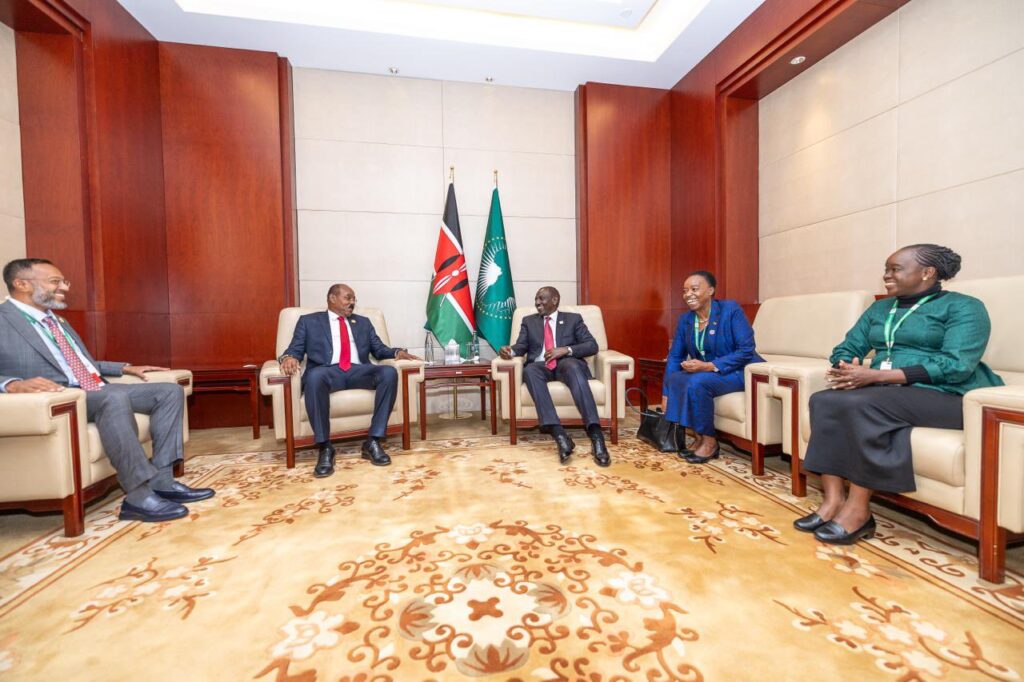
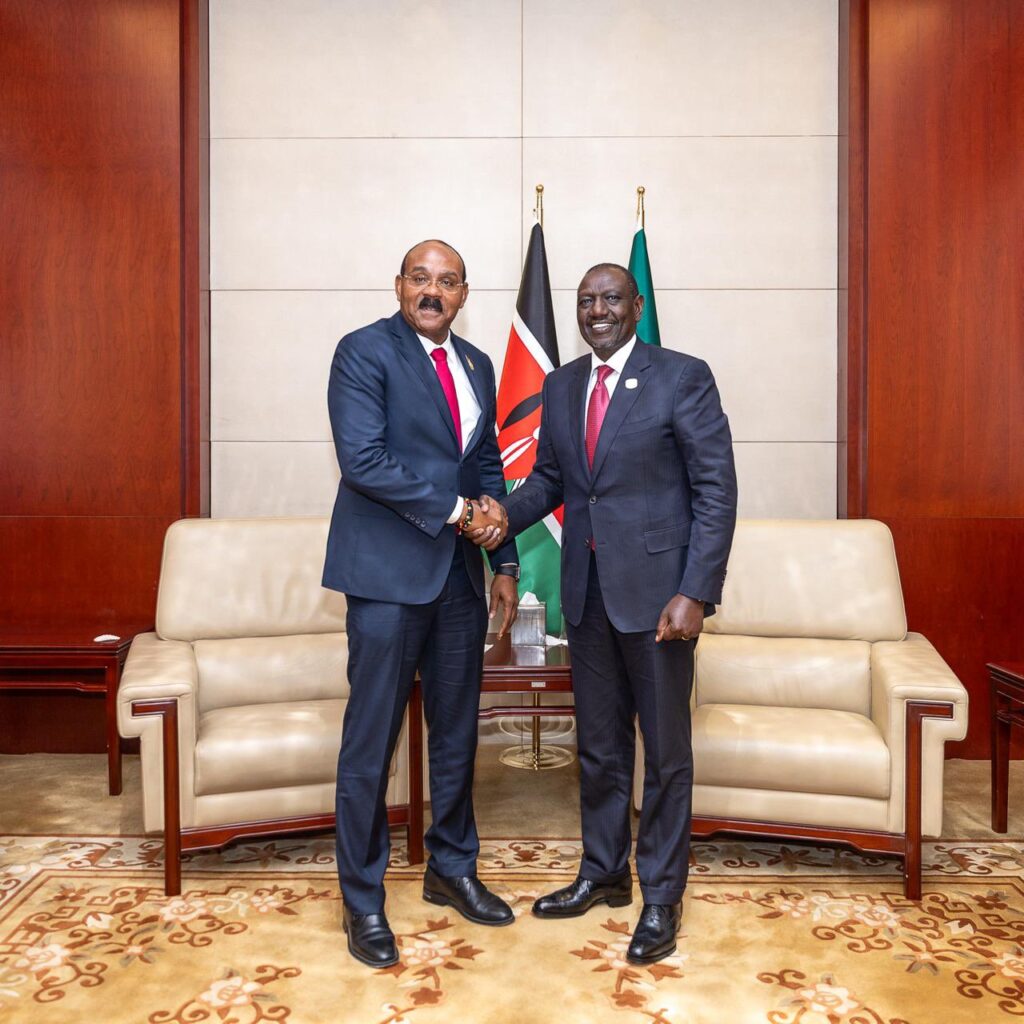
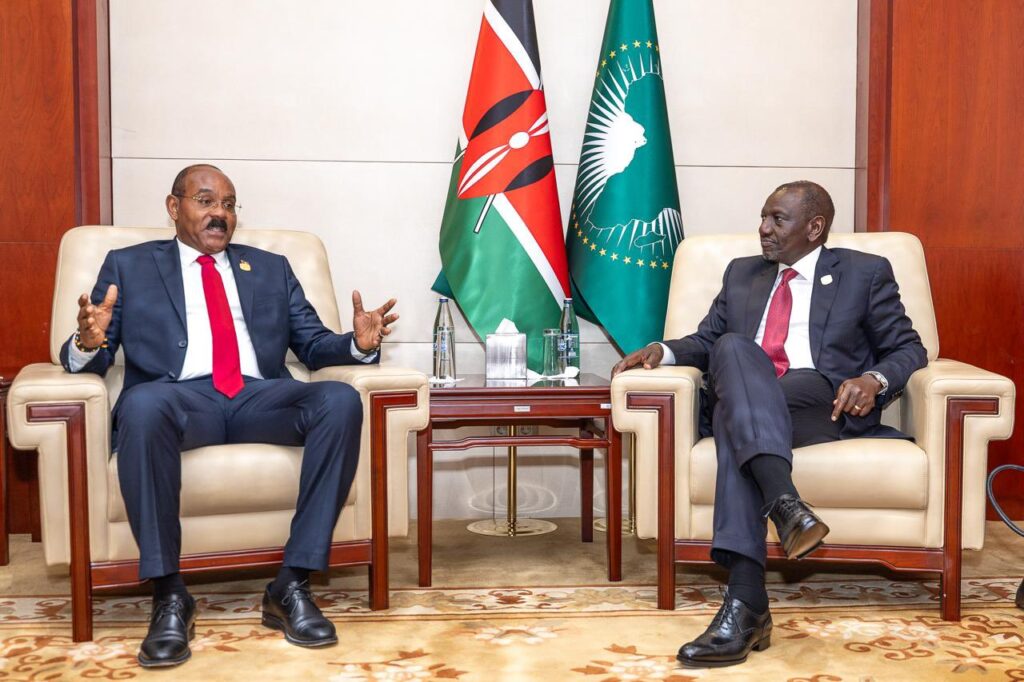
Nairobi, Kenya — President William Ruto of Kenya engaged in high-level diplomatic discussions with Prime Minister Gaston Browne of Antigua and Barbuda during the groundbreaking Africa-CARICOM Summit, marking a significant milestone in South-South cooperation. The meeting underscored growing efforts to strengthen political, economic, and cultural ties between African nations and Caribbean Community member states. This historic summit represents a pivotal moment in fostering solidarity among developing nations and exploring new avenues for mutual development.
Background: The Africa-CARICOM Partnership
The Africa-CARICOM relationship has deep historical roots, tracing back to the transatlantic slave trade and the subsequent diaspora that created enduring cultural and ancestral connections between the two regions. In recent decades, both African nations and Caribbean countries have recognized the strategic importance of formalizing these ties through structured diplomatic and economic partnerships.
The Caribbean Community (CARICOM), established in 1973, comprises fifteen member states and five associate members across the Caribbean region. With a combined population of approximately 20 million people, CARICOM has emerged as an influential regional bloc advocating for the interests of small island developing states on the global stage.
African nations, particularly those within the African Union framework, have increasingly sought to diversify their international partnerships beyond traditional relationships with Western powers and emerging economies like China and India. The Africa-CARICOM Summit represents a concrete manifestation of this strategic diversification, bringing together leaders from both regions to explore collaborative opportunities in trade, climate action, maritime security, and cultural exchange.
The Summit: A Platform for South-South Cooperation
The Africa-CARICOM Summit convened leaders, diplomats, and business representatives from across both regions to discuss pressing global challenges and identify areas of mutual interest. The gathering focused on several key thematic areas, including climate change adaptation, sustainable development, trade facilitation, and the reform of global governance institutions.
President Ruto, who has positioned Kenya as a leading voice on climate action and economic transformation in Africa, brought to the summit a vision of enhanced cooperation that transcends traditional North-South development paradigms. His administration has consistently advocated for greater solidarity among developing nations and the creation of alternative frameworks for international cooperation.
Prime Minister Gaston Browne, serving his third term as head of government in Antigua and Barbuda, has similarly been a vocal advocate for Caribbean interests on issues ranging from climate justice to debt relief for small island states. His leadership within CARICOM has emphasized the need for these nations to forge stronger partnerships with like-minded countries facing similar developmental challenges.
Key Discussion Points Between President Ruto and PM Browne
The bilateral meeting between President Ruto and Prime Minister Browne covered an extensive agenda reflecting the multifaceted nature of potential Africa-CARICOM cooperation. Trade and investment emerged as central themes, with both leaders acknowledging the underutilized economic potential between their regions.
Kenya, as East Africa’s largest economy and a regional hub for technology and innovation, offers significant opportunities for Caribbean nations seeking to expand their economic footprint in Africa. The country’s strategic location, well-developed infrastructure, and growing manufacturing sector make it an attractive partner for CARICOM member states.
Conversely, Antigua and Barbuda, along with other Caribbean nations, possesses expertise in sectors such as tourism management, maritime services, and renewable energy—areas where African countries are seeking to build capacity. The two leaders discussed possibilities for knowledge transfer and technical cooperation in these domains.
Climate Change: A Shared Priority
Climate change featured prominently in the discussions, reflecting the acute vulnerability of both regions to environmental challenges. Kenya has experienced devastating droughts and flooding in recent years, severely impacting agricultural productivity and food security. Similarly, Caribbean nations face existential threats from rising sea levels, increasingly intense hurricanes, and ocean acidification.
President Ruto outlined Kenya’s ambitious climate agenda, including the country’s commitment to achieving 100% renewable energy by 2030 and its leadership in carbon markets through initiatives like the Africa Carbon Markets Initiative. He emphasized the importance of developing nations presenting a united front in international climate negotiations to secure adequate financing and technology transfer from developed countries.
Prime Minister Browne echoed these sentiments, highlighting the Caribbean’s longstanding advocacy for climate justice and the principle that those who contributed least to global emissions should not bear the greatest burden of adaptation costs. The two leaders agreed to explore joint initiatives in renewable energy development, disaster preparedness, and advocating for enhanced climate finance mechanisms.
Strengthening Trade and Economic Ties
Economic cooperation formed another cornerstone of the bilateral discussions. Current trade volumes between African nations and CARICOM member states remain modest, representing a significant untapped opportunity for both regions. The leaders acknowledged various barriers to increased trade, including limited direct transportation links, inadequate market information, and regulatory challenges.
President Ruto proposed the establishment of a Kenya-CARICOM business council to facilitate private sector engagement and identify concrete investment opportunities. He also suggested exploring preferential trade arrangements that could benefit exporters in both regions, particularly in agriculture, processed goods, and services.
Antigua and Barbuda has developed a sophisticated offshore financial services sector, and Prime Minister Browne expressed interest in sharing regulatory expertise with Kenya as it seeks to strengthen its own financial services industry. The two leaders also discussed potential cooperation in the maritime sector, given both nations’ interests in blue economy development.
Cultural and People-to-People Connections
Beyond economic and political cooperation, the leaders recognized the importance of strengthening cultural ties and facilitating people-to-people exchanges. The African diaspora in the Caribbean represents a powerful historical connection that both regions are increasingly leveraging to build contemporary partnerships.
President Ruto highlighted Kenya’s willingness to simplify visa procedures for CARICOM nationals and to explore educational exchange programs that would allow Caribbean students to study in Kenyan universities. Kenya’s growing reputation as a center for technology and innovation in Africa makes it an attractive destination for Caribbean youth seeking advanced training in these fields.
Prime Minister Browne reciprocated by discussing opportunities for Kenyan students and professionals to benefit from Caribbean expertise in areas such as marine biology, sustainable tourism, and climate adaptation technologies. He also mentioned the potential for cultural exchange programs that would celebrate the shared heritage and contemporary creativity of both regions.
Global Governance Reform: A United Voice
Both leaders emphasized the importance of reforming global governance institutions to better represent the interests of developing nations. President Ruto has been a consistent advocate for expanding permanent membership of the UN Security Council to include African representation, addressing a historical injustice that has left the world’s second-most populous continent without a permanent voice in the world’s most powerful decision-making body.
Prime Minister Browne expressed solidarity with this position while also advocating for greater recognition of the unique challenges facing small island developing states in international forums. The two leaders agreed that Africa and CARICOM nations should coordinate their positions more closely in multilateral settings to amplify their collective influence.
Implications for Regional and Global Dynamics
The meeting between President Ruto and Prime Minister Browne, set against the broader context of the Africa-CARICOM Summit, signals an important shift in South-South cooperation dynamics. As developing nations increasingly seek alternatives to traditional dependency relationships with developed countries, partnerships like this offer new pathways for mutual development and political solidarity.
For Kenya, strengthening ties with CARICOM aligns with its broader foreign policy objectives of expanding its global reach and positioning itself as a bridge between Africa and other developing regions. The country’s diplomatic activism under President Ruto’s administration has seen it take leading roles in regional peace initiatives, climate advocacy, and economic reform discussions.
For Antigua and Barbuda and CARICOM more broadly, deeper engagement with Africa offers opportunities to diversify economic partnerships, share experiences in managing developmental challenges, and build coalitions on issues of common concern in international forums. The Caribbean’s expertise in managing island economies and its sophisticated approach to climate adaptation can benefit African island nations and coastal communities.
Looking Ahead: From Dialogue to Action
While high-level meetings and declarations of partnership are important, the true test of the Africa-CARICOM relationship will lie in implementation. Both President Ruto and Prime Minister Browne acknowledged this reality, committing to establish follow-up mechanisms that would translate summit outcomes into concrete actions.
Proposed next steps include the creation of joint working groups to develop specific cooperation frameworks in priority areas, the organization of business forums to connect private sector actors from both regions, and the establishment of regular consultations between foreign ministries to maintain diplomatic momentum.
The leaders also emphasized the importance of involving civil society, academia, and youth organizations in the partnership, recognizing that sustainable cooperation must extend beyond government-to-government relations to encompass broader societal engagement.
Conclusion
The meeting between President William Ruto and Prime Minister Gaston Browne at the Africa-CARICOM Summit represents more than a diplomatic courtesy—it embodies a strategic vision for South-South cooperation in an increasingly multipolar world. As both regions navigate complex challenges ranging from climate change to economic transformation, the partnership offers opportunities for mutual learning, shared advocacy, and collaborative development.
The success of this emerging relationship will depend on sustained political commitment, adequate resource allocation, and the ability to overcome practical obstacles to deeper integration. However, the historical bonds, shared developmental challenges, and complementary strengths of African and Caribbean nations provide a strong foundation for meaningful cooperation. As the international community watches, the Africa-CARICOM partnership may well offer a model for how developing regions can work together to shape a more equitable and sustainable global order.