

Pregnancy is usually marked by visible and physical changes—missed periods, morning sickness, fatigue, and a growing baby bump. For most women, these signs are clear and easy to notice. However, a small number of women experience something different: a cryptic pregnancy, also known as a stealth or hidden pregnancy.
In such cases, pregnancy remains undetected for months. Some women only realize they are expecting in the final stages, while others discover it during labor itself. Though rare, this condition is both fascinating and concerning because of the risks it poses to both mother and baby.
What Is a Cryptic Pregnancy?
A cryptic pregnancy occurs when the typical symptoms of pregnancy are absent, mild, or misinterpreted. For example, instead of missing periods, some women continue to bleed monthly, which they mistake for regular menstruation. Others may attribute nausea, weight changes, or fatigue to stress, diet, or illness.
This condition is not the same as denial of pregnancy, where a woman psychologically refuses to acknowledge the pregnancy. In cryptic pregnancy, the signs are simply hidden or too subtle to be detected in time.
Causes of Cryptic Pregnancy
Doctors and researchers have linked cryptic pregnancy to a range of biological and hormonal factors:
- Hormonal Imbalances – Conditions such as Polycystic Ovary Syndrome (PCOS) or perimenopause can interfere with menstrual cycles, making it harder to recognize pregnancy.
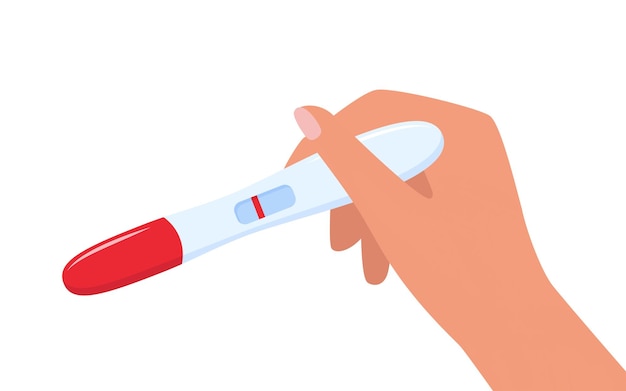
- False-Negative Pregnancy Tests – In some women, levels of the hormone hCG (human chorionic gonadotropin) remain too low to be detected by standard pregnancy tests, especially in early months.
- Menstrual-Like Bleeding – Some women experience light bleeding throughout pregnancy. This can be mistaken for periods, masking one of the key signs of pregnancy.
- Lifestyle Factors – High stress levels, low body fat, or intense physical activity can reduce hormone levels and make pregnancy harder to detect.
- Recent Childbirth or Breastfeeding – Women who have recently given birth may not expect to conceive again so soon. If symptoms are mild, they may dismiss them as part of postpartum recovery.

Late Signs That May Reveal a Cryptic Pregnancy
While the early months pass unnoticed, certain signs may appear later:
Fetal movements – These may feel like gas, indigestion, or muscle spasms.
Abdominal changes – Some growth occurs, but often less obvious than in a typical pregnancy.
Unexplained weight gain or bloating – Misattributed to diet, stress, or hormonal changes.
Labor pains – In rare cases, the first clear sign of pregnancy comes when contractions begin.
Risks of Cryptic Pregnancy
Because the pregnancy goes undetected, medical care is often delayed. This can create serious risks, such as:
Lack of prenatal care – Without regular checkups, conditions like gestational diabetes, preeclampsia, or fetal growth restrictions may go unnoticed.
Poor nutrition – A woman unaware of her pregnancy may not adjust her diet to meet the baby’s needs.
Unprepared labor – Sudden labor without preparation can be both shocking and dangerous.

Emotional and psychological stress – Discovering a pregnancy late can be overwhelming, especially if support systems are not in place.
Why Awareness Matters
Though cryptic pregnancies are rare, awareness is crucial. Women who experience irregular cycles, unexplained weight changes, or unusual abdominal movements should seek medical advice.
Regular health checkups and paying close attention to bodily changes can help prevent unexpected surprises. For women with conditions like PCOS, irregular periods, or ongoing hormonal issues, doctors recommend routine monitoring to avoid risks.
Final Thoughts
A cryptic pregnancy can feel like something out of a medical drama, but it is very real. While not common, it reminds us that the human body is complex, and pregnancy does not always follow predictable patterns.
By raising awareness, more women can understand the risks, seek timely medical care, and ensure safe outcomes for both mother and child.


