Technical University of Kenya Lecturer Dies Following Violent Altercation Over Property Boundaries
A university professor has been killed in a violent land dispute in Rusinga East Location, Mbita Sub County, Homa Bay County, sending shockwaves through the academic community and raising fresh concerns about the escalating violence related to property conflicts in rural Kenya. Professor Tom Odhiambo of the Technical University of Kenya (TUK) succumbed to fatal injuries after being attacked by two young men in Kakrigu village, marking another tragic incident in the country’s ongoing struggles with land-related violence.
The incident, which occurred recently in the lakeside county, has highlighted the dangerous intersection of property disputes and community tensions that continue to plague many parts of Kenya. Local authorities are investigating the circumstances surrounding the professor’s death, while community members grapple with the loss of an academic and the broader implications of unresolved land conflicts.
Details of the Fatal Incident
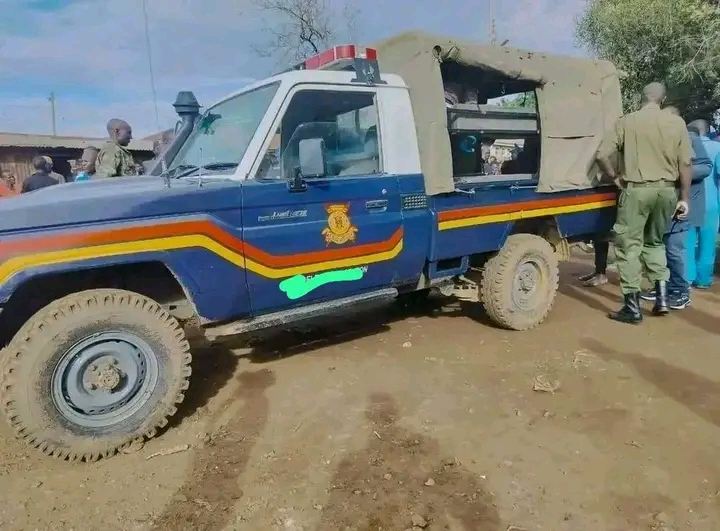
According to local authorities, Professor Odhiambo died at the scene after being struck on the head by two assailants. The attack was so severe that the professor had no chance of survival, dying immediately from the injuries sustained. His father, who accompanied him to the disputed land, also sustained injuries during the confrontation, though the extent of his injuries has not been fully disclosed.
The violence erupted when Professor Odhiambo and his father visited the disputed property, allegedly ahead of a scheduled intervention by local authorities. Mbita Deputy Sub County Commissioner Peter Mutiso confirmed that the professor and his father had gone to the land before the arrival of the area chief and land surveyor, who were expected to help determine the proper boundaries and resolve the dispute through official channels.
Background of the Land Dispute
The conflict over the property had been brewing for some time before it turned deadly. Reports indicate that the dispute originated from an incident in which some of Professor Odhiambo’s neighbors allegedly encroached onto his land. The encroachment forced the professor to seek intervention from local authorities, including the area chief and a land surveyor, to establish the correct boundaries and resolve the matter through proper legal and administrative channels.
Land disputes are a common source of conflict in many parts of Kenya, particularly in rural areas where property boundaries may not be clearly demarcated or where historical claims overlap with modern land records. In Homa Bay County and the wider Lake Victoria region, competing claims over land have frequently led to tensions between neighbors, families, and communities.
Professor Odhiambo’s decision to involve official authorities demonstrated his commitment to resolving the matter peacefully and legally. However, the tragedy that unfolded underscores how quickly such disputes can escalate into violence, particularly when individuals take matters into their own hands rather than waiting for official intervention.
Community Response and Official Statements

The killing has sent shockwaves through Kakrigu village and the broader Rusinga community. Local residents expressed disbelief that a land dispute could escalate to such fatal violence, particularly involving a respected academic figure. Community members have called for justice and urged local authorities to take swift action against those responsible for the professor’s death.
Deputy Sub County Commissioner Peter Mutiso confirmed the incident and indicated that investigations were underway. He emphasized the importance of allowing official processes to handle land disputes rather than individuals attempting to resolve matters through force or intimidation. Mutiso’s statements reflect broader government efforts to discourage vigilante justice and promote the use of legal mechanisms for conflict resolution.
The Technical University of Kenya community is also mourning the loss of Professor Odhiambo. Academic institutions across the country have expressed condolences and called for thorough investigations to ensure that those responsible for the killing are brought to justice. The professor’s colleagues described him as a dedicated educator and scholar whose life was cut short by senseless violence.
The Broader Context of Land Disputes in Kenya
Professor Odhiambo’s death is unfortunately not an isolated incident in Kenya’s ongoing struggle with land-related violence. Property disputes have been a persistent source of conflict across the country, often rooted in historical injustices, unclear land records, overlapping claims, and rapid population growth that increases pressure on available land.
In rural areas, where agriculture and land ownership are closely tied to livelihoods and family heritage, disputes over boundaries can become highly emotional and contentious. The absence of clear documentation, combined with traditional land ownership systems that may conflict with modern property laws, creates fertile ground for misunderstandings and conflicts.
Government initiatives to digitize land records and improve the accuracy of property registries have made progress in recent years, but challenges remain. Many rural areas still lack comprehensive surveys, and the process of resolving boundary disputes can be slow and bureaucratic, leading some individuals to take matters into their own hands with tragic consequences.
Legal Framework and Conflict Resolution Mechanisms
Kenya has established various mechanisms for resolving land disputes, including land registries, survey departments, and specialized land tribunals. The National Land Commission, established under the 2010 Constitution, has the mandate to manage public land, investigate historical land injustices, and resolve land disputes.
At the local level, chiefs and assistant chiefs play important roles in mediating conflicts and facilitating resolutions between disputing parties. Land surveyors are called upon to establish accurate boundaries when disputes arise, providing technical expertise that should help settle disagreements based on factual evidence rather than competing claims.
However, the effectiveness of these mechanisms depends on several factors, including the willingness of parties to engage in good faith, the availability of accurate historical records, and the capacity of local authorities to enforce decisions. In Professor Odhiambo’s case, the involvement of both the local chief and a surveyor suggests that proper procedures were being followed, making the resort to violence even more tragic and unnecessary.
Implications for Academic Community and Public Safety
The killing of a university professor in a land dispute raises particular concerns about the safety of educated professionals and the rule of law in rural communities. Academics and other professionals who invest in property in their home areas should not face violence when seeking to protect their legitimate property rights.
The incident may also have implications for how educated Kenyans approach property ownership in rural areas. Some may become more cautious about developing land or engaging in agriculture in their ancestral homes if they perceive that property disputes cannot be resolved peacefully through official channels.
Furthermore, the case highlights the need for enhanced protection mechanisms for individuals involved in land disputes. Law enforcement agencies must ensure that parties seeking official intervention feel safe throughout the resolution process and that those who resort to violence face swift and certain consequences.
Calls for Justice and Reform
In the wake of Professor Odhiambo’s death, various stakeholders have called for both justice in this specific case and broader reforms to address the root causes of land-related violence. Civil society organizations focused on land rights have emphasized the need for faster resolution of disputes, better documentation of property ownership, and community education about legal mechanisms for conflict resolution.
Legal experts have also noted that strong deterrent measures are necessary to prevent individuals from resorting to violence in land disputes. This includes ensuring that those who commit violent acts face appropriate criminal charges, regardless of the underlying property dispute. The two young men allegedly responsible for Professor Odhiambo’s death must face the full force of the law to send a clear message that violence is never an acceptable means of resolving property conflicts.
Moving Forward: Prevention and Community Healing
As investigations continue into Professor Odhiambo’s killing, the incident serves as a sobering reminder of the work that remains to be done in addressing land disputes and preventing violence in Kenya’s communities. Local authorities in Homa Bay County will need to work closely with community leaders to ensure that this tragedy does not spark further conflicts or retaliatory violence.
Community healing processes, including dialogue forums and peace-building initiatives, may be necessary to address the underlying tensions that led to this fatal confrontation. These processes should involve all stakeholders, including local elders, religious leaders, youth groups, and women’s organizations, to build consensus around peaceful conflict resolution.
The government must also accelerate efforts to complete land surveys in areas where boundary disputes are common and ensure that administrative mechanisms for resolving conflicts are accessible, efficient, and fair. Investment in alternative dispute resolution mechanisms, including mediation and arbitration services at the community level, could provide faster and less adversarial options for parties involved in land disputes.

Conclusion
The tragic death of Professor Tom Odhiambo in Rusinga East Location represents a profound loss for his family, the academic community, and Kenyan society as a whole. His killing over a land dispute that was already in the process of being resolved through official channels underscores the urgent need for cultural and systemic changes in how property conflicts are addressed.
As authorities work to bring those responsible to justice, the incident should prompt broader reflection on the mechanisms available for resolving land disputes and the importance of respecting legal processes over resorting to violence. Only through commitment to the rule of law, improved land administration, and community education can Kenya hope to prevent similar tragedies in the future.
The loss of Professor Odhiambo serves as a stark reminder that property, no matter how valuable, is never worth a human life. As investigations proceed and the community mourns, there is hope that this tragedy will catalyze meaningful action to address the root causes of land-related violence and create safer, more just mechanisms for all Kenyans to resolve property disputes peacefully.