Introduction
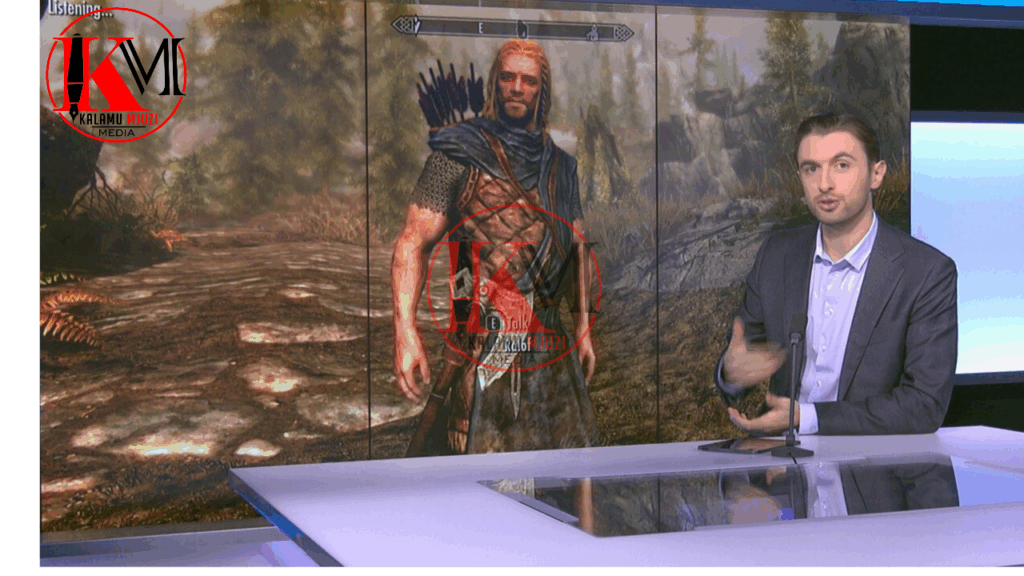
Artificial intelligence is fundamentally transforming the gaming industry as major technology companies like Meta and Fortnite developer Epic Games invest heavily in AI-driven video game characters. These intelligent non-player characters (NPCs) are moving beyond simple algorithmic responses to exhibit sophisticated, dynamic behaviors that enhance player engagement and create more immersive gaming experiences. The integration of AI video game characters represents a significant technological milestone that could redefine how millions of players interact with digital worlds globally.
The Rise of AI in Video Gaming
Understanding AI-Powered Game Characters
Artificial intelligence has long played a supporting role in video games, powering enemy behavior and NPC interactions. However, recent advances in machine learning and neural networks have elevated AI capabilities to unprecedented levels. Modern AI video game characters can now learn from player behavior, adapt their strategies in real-time, and engage in meaningful conversations using natural language processing. These characters represent a departure from traditional scripted responses, offering players experiences that feel more authentic and challenging.
The technology powering these AI characters relies on sophisticated algorithms that process vast amounts of gaming data, player behavior patterns, and environmental variables. Unlike conventional NPCs that follow pre-programmed sequences, AI-driven characters make independent decisions, resulting in unpredictable and engaging gameplay scenarios. This technological evolution has captured the attention of industry leaders who recognize the commercial and creative potential of intelligent gaming characters.
Historical Context of AI in Gaming
Artificial intelligence has been integral to gaming since the earliest computer games, but its applications were limited to basic opponent logic and resource management. Early games featured simple AI opponents that followed predetermined patterns, making them predictable once players understood their mechanics. Over decades, game developers refined AI systems to create more challenging and realistic opponents through improved algorithms and increased computational power.
The transition from rule-based AI to machine learning represents a quantum leap in gaming technology. Today’s AI systems can be trained on countless gameplay scenarios, enabling them to develop sophisticated strategies that rival human players. Major gaming studios have invested millions in AI research, recognizing that intelligent characters are essential for creating next-generation gaming experiences that maintain player interest over extended periods.
Meta’s Strategic Investment in AI Gaming
Meta’s Vision for Interactive Entertainment
Meta Platforms, the parent company of Facebook and Instagram, has aggressively entered the gaming sector with a particular focus on artificial intelligence. The company views AI video game characters as crucial to developing immersive virtual and augmented reality experiences that define its metaverse vision. Meta’s investment in AI gaming reflects a broader strategy to establish dominance in interactive entertainment, where virtual characters serve as sophisticated guides, competitors, and social companions.
Meta has allocated substantial resources to develop AI systems capable of maintaining engaging conversations and exhibiting human-like emotions within gaming environments. These investments align with Meta’s long-term goal of creating interconnected virtual worlds where AI characters play central roles. By integrating advanced AI into gaming platforms, Meta aims to differentiate its offerings from competitors and create sticky user experiences that encourage extended platform engagement.
Meta’s AI Gaming Initiatives
The technology company has launched several projects demonstrating its commitment to AI-powered gaming experiences. Meta researchers have published papers on neural networks capable of learning complex gaming strategies, and the company has partnered with game developers to integrate AI systems into popular titles. These collaborations aim to create game environments where artificial intelligence enhances both single-player campaigns and competitive multiplayer experiences.
Meta’s research divisions continue developing breakthrough AI technologies that improve character realism and responsiveness. The company’s focus on natural language processing enables AI characters to understand and respond to player communications in contextually appropriate ways. These technological advances position Meta as a significant player in the AI gaming revolution, competing with established game publishers and technology firms investing in similar initiatives.
Epic Games and Fortnite’s AI Revolution
Fortnite as a Testing Ground for AI Innovation
Fortnite, developed by Epic Games, stands as one of the world’s most popular video games, with millions of daily active players spanning multiple age groups and geographic regions. The game’s massive player base and continuous evolution make it an ideal platform for testing and refining AI video game character technologies. Epic Games has leveraged Fortnite’s success to experiment with increasingly sophisticated AI opponents and NPCs that interact meaningfully with players.
The massively multiplayer battle royale format of Fortnite provides unique opportunities for developing AI characters that must navigate complex environments, make tactical decisions, and adapt to diverse player strategies. These requirements push AI development forward, as game developers must create systems capable of handling real-time decision-making in dynamic, unpredictable scenarios. Fortnite’s continuous seasonal updates and evolving gameplay mechanics create an environment where AI systems must constantly learn and adapt.
AI Characters in Fortnite
Epic Games has introduced AI-controlled opponents into Fortnite that exhibit behaviors increasingly indistinguishable from human players in certain situations. These artificial characters participate in battle royale matches, challenge players with realistic combat strategies, and populate the game world with engaging NPCs offering quests and narrative experiences. The integration of AI characters into Fortnite represents a significant shift toward creating gaming environments where the line between human and artificial players becomes increasingly blurred.
The company’s AI implementations focus on providing appropriate difficulty levels for players of varying skill, ensuring newcomers enjoy accessible experiences while experienced gamers face challenging opponents. This adaptive approach to AI difficulty has proven popular with Fortnite’s diverse player base, contributing to the game’s sustained competitive success. Furthermore, AI characters help populate multiplayer servers more efficiently, reducing matchmaking wait times and enabling smoother gameplay experiences during peak usage periods.
Technological Innovations Driving AI Gaming Forward
Machine Learning and Neural Networks
Modern AI video game characters rely on machine learning algorithms that process training data and improve performance through experience. Neural networks, inspired by biological brain structures, enable AI systems to recognize patterns in gameplay data and develop sophisticated responses to player actions. These technological foundations allow AI characters to exhibit behaviors that appear increasingly intelligent and unpredictable compared to earlier algorithmic approaches.
Deep learning techniques have proven particularly effective for developing AI game characters capable of understanding context and making nuanced decisions. By training neural networks on millions of gameplay examples, developers create AI systems that can evaluate complex situations and select optimal strategies. These same technologies underpin conversational AI, enabling game characters to engage in dialogue that responds appropriately to player inputs, creating more immersive interactive experiences.
Natural Language Processing in Gaming
Natural language processing (NLP) represents another crucial technology enabling sophisticated AI video game characters. Through NLP, AI systems can understand player communications, interpret intent, and generate contextually appropriate responses in real-time. This capability transforms game interactions from simple command-response sequences into fluid conversations that enhance narrative immersion and player engagement.
Advanced NLP systems integrated into game characters can maintain ongoing dialogue throughout gameplay, respond to unexpected player questions, and adapt conversational tone based on narrative context. These capabilities particularly enhance story-driven games and role-playing experiences where dialogue quality significantly influences player satisfaction. As NLP technologies continue advancing, game developers can create characters whose conversational abilities rival human interlocutors, fundamentally changing how players experience narrative gaming.
Graphics and Behavioral Animation
The visual representation of AI characters benefits from parallel advances in graphics technology and behavioral animation systems. Real-time rendering engines can now display characters with sophisticated facial expressions, natural movement patterns, and contextually appropriate gestures that enhance perceived intelligence. These visual elements combine with underlying AI systems to create compelling characters that players perceive as genuinely intelligent rather than algorithmically mechanical.
Behavioral animation systems analyze AI decision-making processes and translate them into natural physical movements that appear intentional and purposeful. When combined with realistic graphics and sophisticated sound design, these animations create characters that feel alive and responsive within game environments. The seamless integration of visual presentation and underlying intelligence creates player experiences that fully convince participants they’re interacting with capable characters rather than obvious simulations.
Market Implications and Industry Shifts
Competitive Landscape in Gaming
The integration of advanced AI into mainstream gaming titles has intensified competition among developers and publishers. Companies that successfully implement sophisticated AI video game characters gain competitive advantages through enhanced player engagement, extended gameplay sessions, and improved player retention. This technological arms race encourages substantial investment in AI research and development across the gaming industry.
Smaller independent game developers face particular challenges as AI development requires significant computational resources and specialized expertise. However, emerging AI tools and frameworks democratize access to advanced technologies, enabling smaller studios to incorporate sophisticated AI characters without massive research investments. This accessibility shift could reshape the competitive landscape, allowing innovative indie developers to compete with established publishers on technological grounds.
Employment and Workforce Implications
The advancement of AI video game characters raises important questions about employment within the gaming industry. While AI automation threatens certain job categories, it simultaneously creates demand for specialized professionals with AI expertise, machine learning knowledge, and neural network training capabilities. The gaming industry must adapt to this shifting employment landscape by developing training programs and educational pathways for workers transitioning into AI-focused roles.
Game designers and narrative writers increasingly work alongside AI systems rather than being replaced by them, focusing creative efforts on designing systems that leverage artificial intelligence effectively. This collaborative approach between human creativity and machine intelligence appears likely to define future game development, creating new hybrid roles that combine traditional game development expertise with technological sophistication.
Player Experience and Engagement
Enhanced Challenge and Adaptability
AI video game characters provide players with consistently challenging opponents that adapt to individual skill levels and play styles. Unlike static difficulty settings that remain constant throughout gameplay, adaptive AI opponents modify their strategies based on player performance, creating experiences that maintain optimal challenge levels throughout extended gaming sessions. This dynamic difficulty adjustment significantly enhances player satisfaction and encourages continued engagement.
Players appreciate opponents that present realistic challenges without becoming frustratingly overpowered or tediously predictable. Well-implemented AI characters demonstrate learning behaviors that players can observe, creating satisfying experiences when successfully outmaneuvering intelligent opponents. These dynamics encourage repeated gameplay as players attempt various strategies against opponents capable of genuine adaptation and tactical improvisation.
Narrative Depth and Emotional Engagement
AI-powered characters enable more sophisticated storytelling experiences, with NPCs capable of meaningful emotional expressions and dynamic relationship development. Game narratives can now incorporate character arcs where artificial characters exhibit growth, changing attitudes, and evolving relationships with players throughout extended gameplay. These narrative possibilities create emotional engagement that enhances gaming experiences beyond simple mechanical gameplay.
The ability of AI characters to engage in genuine dialogue creates opportunities for player agency within narratives. Rather than selecting from predetermined dialogue options, players can communicate naturally with game characters, influencing story outcomes through conversational choices. This interactive storytelling approach represents a significant evolution in narrative gaming, potentially rivaling traditional media in emotional impact and creative expression.
Technical Challenges and Limitations
Computational Requirements
Advanced AI video game characters demand substantial computational resources, limiting their implementation in games targeting lower-end hardware platforms. The real-time processing requirements for sophisticated AI systems present technical challenges that developers must overcome through optimization and efficient algorithm design. As computational technology advances, however, these limitations become progressively less restrictive, enabling AI implementation in increasingly diverse gaming platforms.
Cloud computing represents a potential solution to computational limitations, enabling game servers to handle complex AI processing while streaming gameplay to client devices with limited processing power. This architecture could democratize access to sophisticated AI gaming experiences across diverse hardware platforms, though network latency presents its own technical challenges that developers must address.
Unpredictability and Quality Control
AI systems that learn and adapt continuously may produce unexpected behaviors that undermine gameplay balance or create negative player experiences. Developers must implement quality control measures ensuring AI characters operate within designed parameters while maintaining sufficient autonomy to create engaging experiences. This balance between control and autonomy represents an ongoing technical challenge that requires careful system design and extensive testing.
Testing AI-driven games presents particular challenges, as the unpredictable nature of machine learning systems makes comprehensive testing difficult. Developers employ sophisticated automated testing frameworks and extended beta periods to identify problematic behaviors before public release. Despite these precautions, unforeseen AI behaviors occasionally emerge during gameplay, requiring rapid response from development teams committed to maintaining positive player experiences.
Privacy and Ethical Considerations
Data Collection and Player Privacy
AI video game characters necessarily collect data regarding player behavior, preferences, and decision-making patterns to function effectively. This data collection raises privacy concerns regarding how information is stored, processed, and potentially used beyond immediate gameplay purposes. Game developers must implement transparent data policies and robust security measures protecting player information from unauthorized access or misuse.
Players should understand what data AI systems collect and how that information influences their gaming experiences. Clear privacy policies and user-friendly consent mechanisms enable informed participation in AI-driven gaming platforms. Regulatory frameworks such as the General Data Protection Regulation (GDPR) impose legal obligations on developers to protect personal information, creating compliance requirements that gaming companies must navigate carefully.
Ethical AI Development
The development of AI video game characters raises ethical questions regarding algorithmic bias, fairness, and responsible automation. AI systems trained on biased data may exhibit discriminatory behaviors that create negative experiences for certain player populations. Developers bear responsibility for identifying and correcting such biases, ensuring AI characters treat all players equitably regardless of demographic characteristics.
Furthermore, game developers should consider the psychological impact of highly realistic AI characters on vulnerable populations, including children and individuals with certain mental health conditions. While gaming provides valuable entertainment and social connection, excessively engaging AI characters could potentially contribute to problematic gaming habits in susceptible individuals. Responsible development includes consideration of these broader social impacts beyond immediate commercial success.
Future Developments and Industry Outlook
Emerging Trends in AI Gaming
The next generation of AI video game characters will likely incorporate multimodal learning, processing visual, auditory, and textual information simultaneously to create more sophisticated understanding of player intent. As AI systems become more advanced, distinctions between NPCs and multiplayer opponents may blur, creating hybrid experiences that seamlessly blend human and artificial participants. These developments promise unprecedented levels of gaming immersion and engagement.
Continued investment in AI gaming technology from major technology companies and game publishers suggests this trend will accelerate rather than plateau. Emerging startups focused specifically on AI gaming solutions indicate growing commercial interest in specialized AI development beyond established game publishers. This ecosystem evolution could drive innovation while creating opportunities for entrepreneurs and technologists working at the intersection of artificial intelligence and interactive entertainment.
Integration with Emerging Technologies
Augmented reality and virtual reality platforms may particularly benefit from sophisticated AI characters capable of responding realistically to player presence within simulated environments. As extended reality technologies mature, demand for convincing AI characters will increase, driving continued innovation in conversational AI, behavioral modeling, and realistic animation systems. These convergences could create immersive experiences that rival physical-world interactions in emotional intensity and engagement.
Blockchain technology and non-fungible tokens could enable novel ownership models for AI characters, allowing players to own and trade unique digital entities with individual personalities and learned behaviors. While currently experimental, these possibilities suggest future gaming ecosystems where AI characters possess genuine value outside specific game platforms, creating economic dynamics that could fundamentally reshape gaming industry business models.
Broader Implications for Technology and Society
AI Mainstream Adoption
The integration of AI video game characters into mainstream gaming represents a significant milestone in artificial intelligence adoption. As millions of casual players interact with sophisticated AI systems through gaming, comfort levels with artificial intelligence may increase across broader populations. This normalization of AI interaction could facilitate acceptance of AI technologies in professional, educational, and personal contexts, potentially accelerating broader societal adoption of artificial intelligence.
Gaming serves as an accessible introduction to AI concepts for non-technical audiences, creating intuitive understanding of artificial intelligence capabilities and limitations. Players who interact with well-designed AI characters develop realistic expectations regarding AI competencies, potentially reducing unrealistic fears or over-enthusiasm regarding artificial intelligence. This educational function of AI gaming could contribute meaningfully to informed public discourse regarding AI policy and regulation.
Economic Opportunities
The AI gaming market represents a substantial economic opportunity for technology companies, game developers, and specialized service providers. Venture capital investment in AI gaming startups continues increasing, suggesting strong commercial confidence in this sector’s growth trajectory. As AI gaming technologies mature and become more accessible, new business models and revenue opportunities will likely emerge, creating employment and economic activity across multiple sectors.
For context on how technology continues reshaping economies globally, you can Visit Technology articles to understand broader technological trends. Additionally, Explore our Economy section for analysis of how technological advancement influences economic development patterns.
Conclusion
The integration of artificial intelligence into mainstream video games through platforms like Meta’s initiatives and Fortnite’s implementations represents a watershed moment in gaming technology and player experience. Advanced AI video game characters are no longer experimental novelties but established features of popular titles engaging millions of players worldwide. These developments demonstrate that sophisticated artificial intelligence can successfully enhance entertainment experiences while maintaining market viability.
The convergence of machine learning, natural language processing, graphics technology, and behavioral animation has created AI characters that players experience as genuinely intelligent and emotionally engaging. As these technologies continue advancing and becoming more accessible, we can expect accelerating adoption across the gaming industry, potentially transforming how players experience interactive entertainment fundamentally.
Looking forward, the trajectory appears clear: AI video game characters will become increasingly sophisticated, more widely distributed across gaming platforms, and integrated with emerging technologies like virtual reality and augmented reality. This evolution will create unprecedented opportunities for game developers to craft immersive, adaptive experiences that transcend traditional gaming conventions. For players, this technological progress promises gaming experiences of unparalleled depth, challenge, and emotional engagement.
The gaming industry’s embrace of AI represents merely the beginning of artificial intelligence’s mainstream integration into entertainment and interactive media. As these technologies mature and proliferate, they will undoubtedly influence not only how we play games but how we conceive of artificial intelligence’s role in contemporary society. Whether viewed as exciting innovation or concerning development, AI-powered gaming characters have already established themselves as a permanent feature of the entertainment landscape, reshaping expectations for interactive experiences across multiple media formats.
For additional perspectives on how technology influences various aspects of society, consider reading How Governments Shut Down the Internet to understand the regulatory landscape surrounding technology. To explore broader technology trends and innovations, return to our Home page for the latest updates on technological developments.
For any inquiries or suggestions regarding our technology coverage, please Get in touch via Contact Us.
Last Updated: October 2025