Introduction
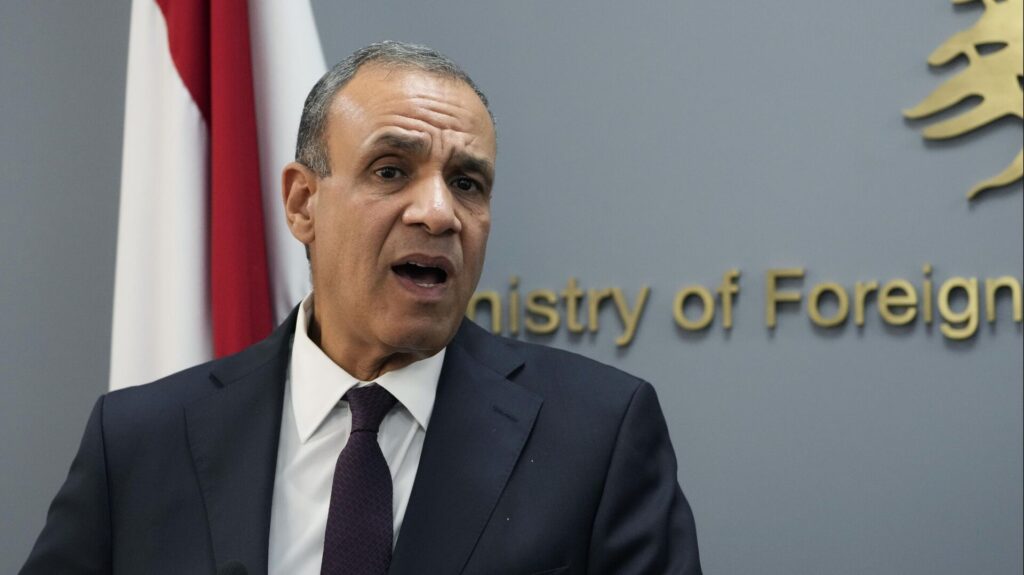
Egypt’s Foreign Minister Badr Abdelaty has indicated that his country is open to deploying troops on the ground in Gaza to support security and stabilization efforts in the region. During recent statements, Abdelaty emphasized that Egypt is willing to commit forces within specific operational parameters, contingent upon approval from the United Nations Security Council. This development marks a significant moment in ongoing discussions about international involvement in Gaza’s reconstruction and security matters.
Background on Gaza Security Concerns
The situation in Gaza has remained a focal point for regional and international attention, with various stakeholders discussing mechanisms to ensure stability and security in the territory. The humanitarian and security challenges facing Gaza have prompted discussions among neighboring countries, international organizations, and global powers about potential solutions. Egypt, as a neighboring nation with significant geopolitical influence in the Middle East, has been central to these conversations regarding regional stability and conflict resolution.
The deployment of international forces has been one proposed avenue for addressing these concerns, with proponents arguing that external security presence could facilitate peacekeeping, training, and capacity-building efforts. Such discussions typically involve complex negotiations between multiple parties, including regional governments, international bodies, and security organizations.
Egypt’s Position on Troop Deployment
Statement from Foreign Minister Abdelaty
According to recent reports, Egyptian Foreign Minister Badr Abdelaty stated that “deployment of international force is on the table” and confirmed that Egypt is “supporting this idea, of course.” This statement represents an official acknowledgment of Egypt’s openness to participating in international peacekeeping initiatives in the Gaza region.
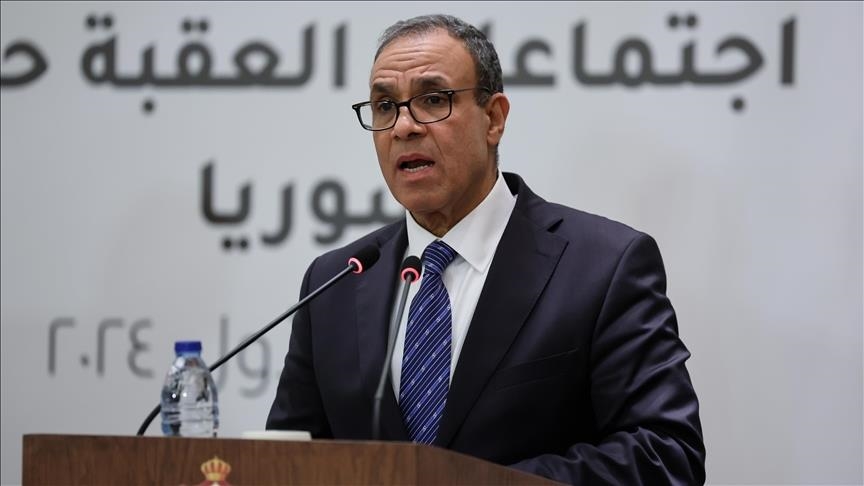
Abdelaty further elaborated on Egypt’s conditional support, emphasizing that any deployment would require specific parameters and international authorization. He noted that “we are going to support and to commit troops within specific parameters,” suggesting that Egypt’s involvement would be structured and carefully defined rather than open-ended.
Security Council Authorization Requirements
The Egyptian Foreign Minister highlighted the importance of multilateral authorization for such military operations. According to Abdelaty, “we must have a mandate by the Security Council to endorse it,” underlining Egypt’s commitment to operating within established international frameworks and protocols.
This emphasis on Security Council authorization reflects the importance of legitimacy in international military operations. The United Nations Security Council serves as the primary body responsible for authorizing peacekeeping missions and international security interventions, ensuring that such operations have broad international support and follow established procedures.
Proposed Mission Parameters and Training
Peacekeeping and Stabilization Goals
The proposed mission would focus on peacekeeping efforts aimed at maintaining security and stability in Gaza. According to statements made during recent discussions, the force would be tasked with providing training to Palestinian law enforcement personnel and security forces to enhance their capacity for effective governance and public safety.
Abdelaty specified that the mission objectives would include “peacekeeping, and how to provide training to the Palestinian policemen, in order to do their job to have law enforcement on the ground.” This dual focus on immediate security presence and long-term capacity building reflects a comprehensive approach to addressing Gaza’s security challenges.
The training component represents a significant aspect of international involvement, as building local security forces’ capabilities could contribute to sustainable long-term stability. Such initiatives typically involve professional development, technical training, and institutional strengthening measures designed to improve the effectiveness of local law enforcement agencies.
Regional Stability and Economic Impact
International security interventions can have broader implications for regional stability and economic development. Just as nations around the world depend on stable security environments for economic growth, Gaza’s reconstruction and development efforts would benefit from improved security conditions. For insights on how regional stability affects economic development, Explore our Economy section to learn more about the interconnections between security, governance, and economic progress.
International Framework and Multilateral Involvement
United Nations and International Cooperation
The proposed deployment would operate within the established framework of international law and United Nations procedures. Peacekeeping missions authorized by the Security Council represent one of the primary mechanisms through which the international community addresses security crises and supports post-conflict stabilization efforts.
Such missions typically involve contributions from multiple nations, creating a multinational force under unified command structures. This approach distributes responsibility among participating countries and reflects the international community’s collective interest in regional stability and human security.
Precedent for International Peacekeeping
International peacekeeping operations have been deployed in various regions worldwide, with mixed results and varying degrees of success. These missions have addressed conflicts in Africa, Europe, Asia, and the Middle East, with mandates ranging from traditional peacekeeping to more complex peace-building and capacity-building missions.
The proposed operation in Gaza would follow established protocols for UN-authorized missions, including clear rules of engagement, humanitarian standards, and accountability mechanisms. Such structured approaches aim to ensure that military operations serve humanitarian and stabilization purposes while maintaining international legal standards.
Broader Implications for Middle East Peace
Regional Diplomatic Developments
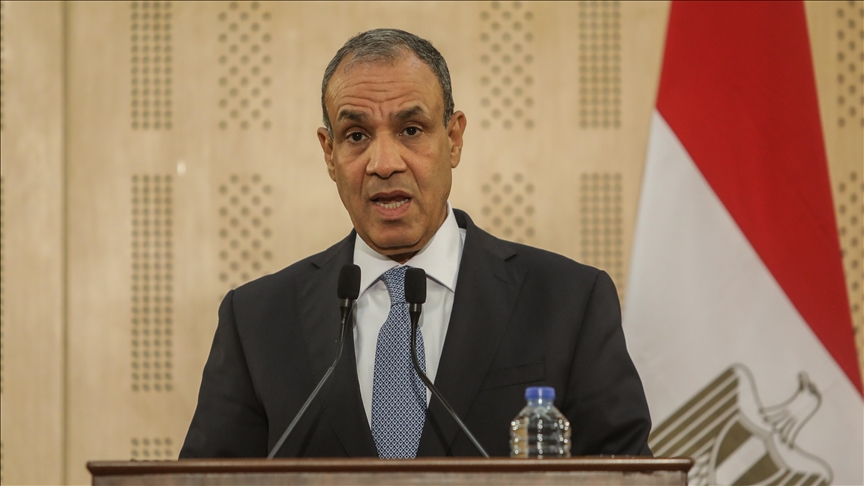
Egypt’s openness to troop deployment signals a shift in regional diplomacy regarding Gaza’s future. As a key stakeholder with historical ties to Palestinian affairs and significant influence in regional politics, Egypt’s position carries considerable weight in ongoing discussions about Gaza’s governance, security, and development.
The statement from Foreign Minister Abdelaty reflects ongoing negotiations and consultations among regional and international actors about mechanisms for supporting Gaza’s stabilization and eventual reconstruction. These discussions involve complex considerations of sovereignty, security, humanitarian concerns, and long-term development goals.
Potential Challenges and Considerations
International military deployments in sensitive regions involve numerous challenges and considerations. Questions regarding the duration of deployment, funding mechanisms, rules of engagement, and exit strategies typically require extensive negotiation and planning before operations commence.
Additionally, the success of such missions depends on cooperation from local populations, support from neighboring states, and adequate resources for training and capacity-building efforts. Historical experiences with peacekeeping operations demonstrate that military presence alone is insufficient for achieving lasting stability; comprehensive approaches addressing underlying political, economic, and social factors prove essential.
Looking Forward: Implications and Next Steps
Diplomatic Process and Negotiations
The statements from Egyptian leadership indicate that formal discussions regarding international troop deployment remain in preliminary stages. Obtaining Security Council authorization would require consensus among permanent members and support from the broader international community, a process that typically involves extensive diplomatic negotiations.
The coming weeks and months will likely see increased diplomatic activity as stakeholders work toward potential agreements on deployment parameters, force composition, and operational mandates. Such negotiations involve balancing the security interests of various parties while respecting international law and humanitarian principles.
Long-Term Stability and Development
Beyond immediate security concerns, international involvement in Gaza’s stabilization has implications for long-term development and recovery. Similar to how technological infrastructure and institutional frameworks support development elsewhere, building effective security and governance systems in Gaza would create foundations for economic development and improved living conditions.
For perspectives on how governance and institutions affect broader development, Visit Technology articles for related discussions on how digital infrastructure and governance systems evolve. Additionally, Read How M-PESA Transformed Kenya’s Economy provides insights into how institutional development and security frameworks enable economic progress.
Conclusion

Egypt’s indication that it supports international troop deployment in Gaza, conditional on Security Council authorization and specific operational parameters, represents a significant development in ongoing discussions about regional stability and post-conflict reconstruction. The proposed mission’s focus on peacekeeping and training Palestinian security forces reflects international efforts to build sustainable local capacity while providing immediate security support.
As diplomatic negotiations continue, the international community faces the important task of developing comprehensive approaches that address immediate security concerns while supporting long-term development and stability in Gaza. The success of such efforts will depend on cooperation among regional and international actors, adequate resources, and commitment to humanitarian principles and international law.
The evolving situation in Gaza demonstrates the complex nature of modern international relations and the importance of multilateral cooperation in addressing regional security challenges. As discussions progress, stakeholders will need to balance multiple priorities and interests while working toward solutions that serve humanitarian goals and regional stability.
For more insights into how global events affect regional dynamics and governance, Learn more on our About Us page to understand our perspective on international affairs coverage. Stay informed by getting in touch via Contact Us if you have questions or would like to contribute to our reporting on international developments.
This article reflects current statements and positions as of the reporting date. Developments in international diplomacy regarding Gaza continue to evolve, and readers are encouraged to follow ongoing coverage for the latest updates and developments.