
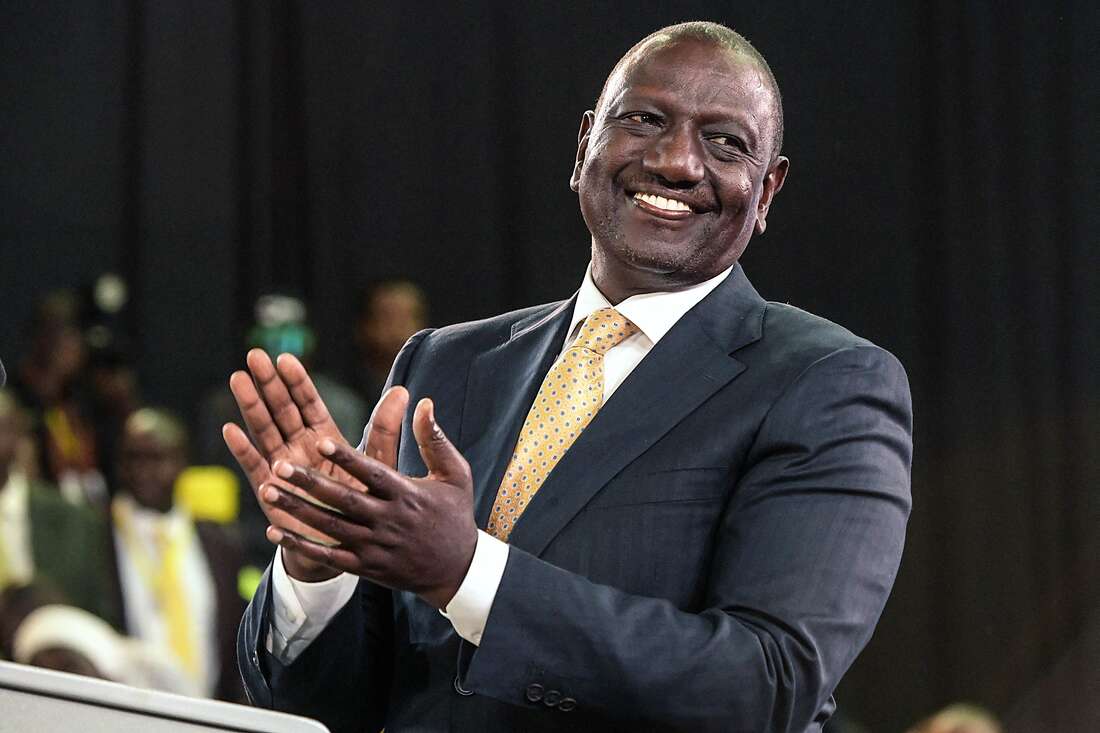
President William Ruto has demonstrated significant progress in building political consensus across party lines, having met with nearly 80 percent of Members of Parliament. His recent engagements with key political figures, including ODM leader Raila Odinga, former President Uhuru Kenyatta, and KANU Chairman Gideon Moi, underscore a broader strategy aimed at transforming Kenya from a developing nation into a first-world economy through unified developmental initiatives.

Introduction to the Political Outreach
The series of high-level meetings convened by President Ruto represents a pivotal moment in Kenya’s political landscape. These consultations bring together leaders from diverse political backgrounds and constituencies, reflecting a commitment to inclusive governance and collaborative nation-building. The engagement with prominent political figures signals an attempt to transcend partisan divides and focus on shared national objectives centered on economic transformation and sustainable development.
Understanding the Scope of Presidential Engagement
Parliamentary Engagement Milestone
President Ruto’s claim that he has held consultations with nearly 80 percent of Members of Parliament reflects an unprecedented level of direct engagement between the executive and legislative branches. This extensive outreach suggests a deliberate effort to build grassroots support for proposed policies and development initiatives at the constituency level. By directly engaging with MPs, the President seeks to ensure that legislative backing exists for critical reforms necessary to advance Kenya’s economic agenda.
Such comprehensive parliamentary engagement is particularly significant in Kenya’s political context, where legislative cooperation is essential for passing bills, approving budgets, and implementing national programs. The breadth of these meetings indicates a recognition that sustainable development requires consensus-building across the diverse political interests represented in Parliament.
Key Political Leaders and Their Roles
Raila Odinga and ODM Leadership
The dialogue with ODM leader Raila Odinga represents a crucial engagement with one of Kenya’s most significant opposition voices. Raila Odinga’s political influence extends beyond party structures, encompassing substantial support bases in various regions of the country. His participation in discussions about Kenya’s transformation suggests a willingness to engage with the government’s developmental agenda, potentially bridging the gap between the ruling coalition and major opposition elements.
The ODM party, as the largest opposition coalition, controls considerable parliamentary representation and regional influence. Meaningful discussions with its leadership could facilitate a more collaborative legislative environment and reduce political polarization that might otherwise hinder developmental initiatives. Such engagement reflects a pragmatic approach to governance where competing political interests work toward common national goals.
Former President Uhuru Kenyatta’s Involvement
Including former President Uhuru Kenyatta in consultations underscores the importance of institutional memory and continuity in Kenya’s governance framework. Kenyatta’s experience in leading the nation and his ongoing political influence make his perspective valuable for long-term development planning. His participation suggests recognition of the need for cross-generational leadership dialogue in addressing complex national challenges.
The engagement with former leadership also signals a commitment to unity and reconciliation within Kenya’s political establishment. By seeking input from predecessors, President Ruto demonstrates respect for institutional traditions and an understanding that national development benefits from diverse perspectives and historical insights accumulated over decades of governance experience.
KANU Chairman Gideon Moi’s Strategic Position
KANU Chairman Gideon Moi’s involvement in these consultations reflects his party’s enduring relevance in Kenya’s political ecosystem. As the son of former President Daniel arap Moi, Gideon Moi commands significant influence within certain political circles and maintains a notable parliamentary presence through KANU representatives. His engagement in developmental discussions indicates potential alignment between different political factions on national priorities.
The inclusion of KANU in these high-level consultations demonstrates an inclusive approach to political engagement that transcends the traditional ruling coalition-opposition binary. This multi-stakeholder approach to governance suggests recognition that Kenya’s transformation requires the active participation and buy-in of various political entities and leadership personalities across the spectrum.
Kenya’s Vision for Development and Economic Transformation
From Third-World to First-World Status
The overarching theme connecting these various political consultations is the shared vision of transforming Kenya from a third-world to a first-world nation. This ambitious developmental agenda encompasses economic growth, infrastructure development, technological advancement, and improved living standards for all citizens. For more insight into Kenya’s economic strategies, explore our Economy section to understand how initiatives like digitalization are reshaping the nation.
Achieving first-world status requires multifaceted reforms spanning numerous sectors including finance, manufacturing, agriculture, and services. The government’s consultations with political leaders aim to build consensus around key policy frameworks necessary for this transformation. Such alignment between political actors is essential for maintaining policy continuity and ensuring implementation across multiple electoral cycles.
Economic Policy Alignment and Implementation
For Kenya to achieve sustained economic growth and development, policies must remain consistent regardless of which political party holds executive power. The President’s extensive consultations appear designed to secure cross-party agreement on fundamental developmental strategies. This approach minimizes the risk of policy reversals that could disrupt long-term development projects and discourage both domestic and foreign investment.
The emphasis on political consensus reflects international best practices in development economics, where countries with stable, predictable policy environments attract greater investment and achieve faster growth. By building agreement among political stakeholders, Kenya positions itself more attractively within the global economic marketplace and creates conditions conducive to sustained prosperity.
Technology and Infrastructure Investment
Central to Kenya’s modernization agenda is significant investment in technological infrastructure and digital innovation. The nation has already demonstrated potential in this sector, with developments in financial technology and telecommunications. Visit Technology articles to explore how digital transformation is revolutionizing various sectors of the Kenyan economy and society.
Expanding broadband access, promoting software development industries, and leveraging technology for government service delivery are critical components of Kenya’s development strategy. These initiatives require not only financial investment but also policy frameworks that encourage innovation and entrepreneurship. Political support from diverse leadership figures strengthens the likelihood that technology-focused policies will receive consistent backing and adequate funding.
Economic Foundations for National Growth
Learning from Kenya’s Financial Sector Success
Kenya’s financial technology sector, particularly innovations like mobile money transfer systems, has positioned the nation as a regional leader in fintech. Read How M-PESA Transformed Kenya’s Economy to understand how technological innovation in financial services has driven economic progress and financial inclusion.
This success provides a template for how strategic investment in specific sectors can generate broader economic benefits. The government’s consultations with political leaders likely include discussions about scaling similar models across other industries and geographic regions. Replicating the fintech sector’s achievements in areas such as agriculture technology, manufacturing, and renewable energy could significantly accelerate Kenya’s overall economic transformation.
Building Institutional Capacity and Governance
Transforming a nation’s economic status requires not only policy changes but also institutional strengthening and improved governance frameworks. The multi-stakeholder engagement strategy employed by President Ruto reflects recognition that sustainable development depends on strong, trustworthy institutions capable of implementing complex reforms. Political consensus on institutional improvements enhances their legitimacy and increases the likelihood of successful implementation.
Corruption reduction, transparent budget management, and efficient service delivery are foundational requirements for achieving first-world development status. When political leaders from various parties jointly commit to institutional reforms, they create public expectations and accountability mechanisms that strengthen implementation. This collaborative approach to governance reform represents a significant step toward building the institutional foundation necessary for sustained economic progress.
Implications for Kenya’s Democratic Development
Strengthening Democratic Institutions Through Dialogue
The extensive consultations demonstrate how dialogue and consensus-building can strengthen democratic institutions rather than weaken them. By engaging across party lines, political leaders model collaborative governance that transcends partisan competition while maintaining democratic principles. This approach suggests that competitive democracy and cooperative governance need not be mutually exclusive.
Building habits of inter-party dialogue on developmental issues creates positive precedents for future political interactions. When politicians from opposing parties successfully cooperate on shared national objectives, they signal to citizens that political differences need not prevent collaboration on matters of common interest. This contribution to Kenya’s political culture has implications extending beyond immediate policy outcomes.
Citizen Expectations and Accountability
Public disclosure of high-level political consultations creates accountability mechanisms that hold leaders responsible for implementing agreed-upon developmental initiatives. Citizens can track whether commitments made during these consultations translate into concrete policy action and measurable developmental progress. This transparency strengthens democratic accountability and creates incentives for political leaders to deliver on their commitments.
The broad-based political engagement also sets expectations for government performance, potentially encouraging more efficient service delivery and more responsive governance. When opposition leaders and former presidents publicly engage in developmental discussions with the government, they implicitly endorse the seriousness of the administration’s reform agenda, which can mobilize public support for necessary but sometimes difficult policy changes.
Challenges and Considerations Ahead
Maintaining Political Consensus
While securing initial agreement among political leaders represents an important achievement, maintaining consensus throughout implementation presents ongoing challenges. Political calculations, electoral cycles, and competing interests may strain the unity demonstrated during consultations. The government must develop mechanisms to reinforce commitment to agreed-upon developmental priorities even as political competition continues in other domains.
Regular consultative forums, formal memoranda of understanding between political parties, and transparent progress reporting on developmental initiatives could help sustain consensus over time. International examples suggest that institutionalizing inter-party cooperation through formal structures increases the likelihood of maintaining alignment on long-term national objectives.
Resource Allocation and Implementation Capacity
Transforming Kenya’s economic status requires substantial financial resources and significant administrative capacity. Even with strong political consensus, implementation challenges related to funding, technical expertise, and project management could slow progress. Effective coordination between national and county governments, private sector participation, and potentially international partnerships may be necessary to overcome these obstacles.
Political leaders must balance ambitious developmental rhetoric with realistic timelines and achievable milestones. Setting clear, measurable targets for economic transformation helps maintain political momentum and provides benchmarks for assessing progress. Regular public reporting on these metrics sustains accountability and allows course corrections when implementation encounters obstacles.
Related Developments and Future Outlook
Governance and Institutional Reform
For comprehensive information about Kenya’s political and governance developments, learn more on our About Us page to understand our coverage of national issues. Understanding the broader context of Kenya’s political landscape helps citizens appreciate the significance of current developmental initiatives and their potential long-term implications.
The consultations with political leaders extend beyond immediate policy matters to encompass broader governance reforms. Discussions likely include public service reform, parliamentary effectiveness, and mechanisms for ensuring government accountability. These institutional improvements form the foundation upon which specific developmental projects are built and sustained.
Digital Transformation and Internet Access
Kenya’s development agenda includes expanding digital access and leveraging technology for service delivery. See our post: How Governments Shut Down the Internet to understand the critical importance of maintaining reliable, free internet access as a foundation for digital economies and democratic participation.
Ensuring widespread, affordable internet connectivity across urban and rural areas represents a crucial component of Kenya’s modernization strategy. Digital inclusion not only supports economic growth but also facilitates democratic participation, educational advancement, and improved access to government services. Political consensus on prioritizing digital infrastructure investment helps ensure sustained funding and policy support for these initiatives.
Building Social Foundations for Prosperity
Economic transformation alone cannot achieve first-world development status without corresponding improvements in education, healthcare, and quality of life. Check out Trending Men’s Fashion 2025 and Read Parenting in Kenya 2025 to explore how lifestyle improvements and social developments reflect broader prosperity and quality-of-life enhancements across Kenyan society.
Political leaders’ engagement in consultations presumably extends to discussing human development indicators and strategies for improving access to basic services. Achieving first-world status requires not just economic metrics but also measurable improvements in health outcomes, educational attainment, poverty reduction, and general well-being across the population.
Conclusion: A Path Forward for Kenya’s Development
President William Ruto’s extensive consultations with parliamentary members and prominent political leaders represent a significant step toward building political consensus on Kenya’s development agenda. The engagement with diverse political figures—from opposition leader Raila Odinga to former President Uhuru Kenyatta to KANU Chairman Gideon Moi—demonstrates recognition that national transformation requires cooperation across party lines and political generations.
The vision of transforming Kenya from a third-world to a first-world nation represents an ambitious but achievable objective if political leaders maintain focus on shared developmental priorities. The consultations suggest that such commitment exists, at least at the leadership level. Sustaining this consensus through implementation challenges, translating political agreement into concrete policy outcomes, and delivering measurable improvements in citizens’ lives remain the critical tests ahead.
Kenya’s potential for economic transformation rests on strong political foundations, institutional capacity, and sustained investment in key sectors including technology, infrastructure, and human development. The political engagement currently underway creates opportunities for these critical elements to align and reinforce one another. Whether these consultations translate into the sustained, coordinated action necessary for first-world development status will become evident in coming months and years through observable policy implementation and measurable economic progress.
For the latest updates on Kenya’s political developments and national news, get in touch via Contact Us or back to Home / Latest Posts to stay informed about ongoing developments in the nation’s transformation agenda.


