Introduction
Today, October 12th, marks World Sloth Bear Day, an annual global celebration dedicated to raising awareness about one of South Asia’s most fascinating yet misunderstood creatures. The sloth bear, scientifically known as Melursus ursinus, is a vulnerable species facing unprecedented conservation challenges in their native habitats across India, Sri Lanka, Nepal, and Bangladesh. This significant observance provides an opportunity to shed light on the unique characteristics of these remarkable animals, dispel harmful myths, and highlight the critical conservation efforts needed to ensure their survival for future generations.
Understanding the Sloth Bear: A Unique Species
Physical Characteristics and Adaptations
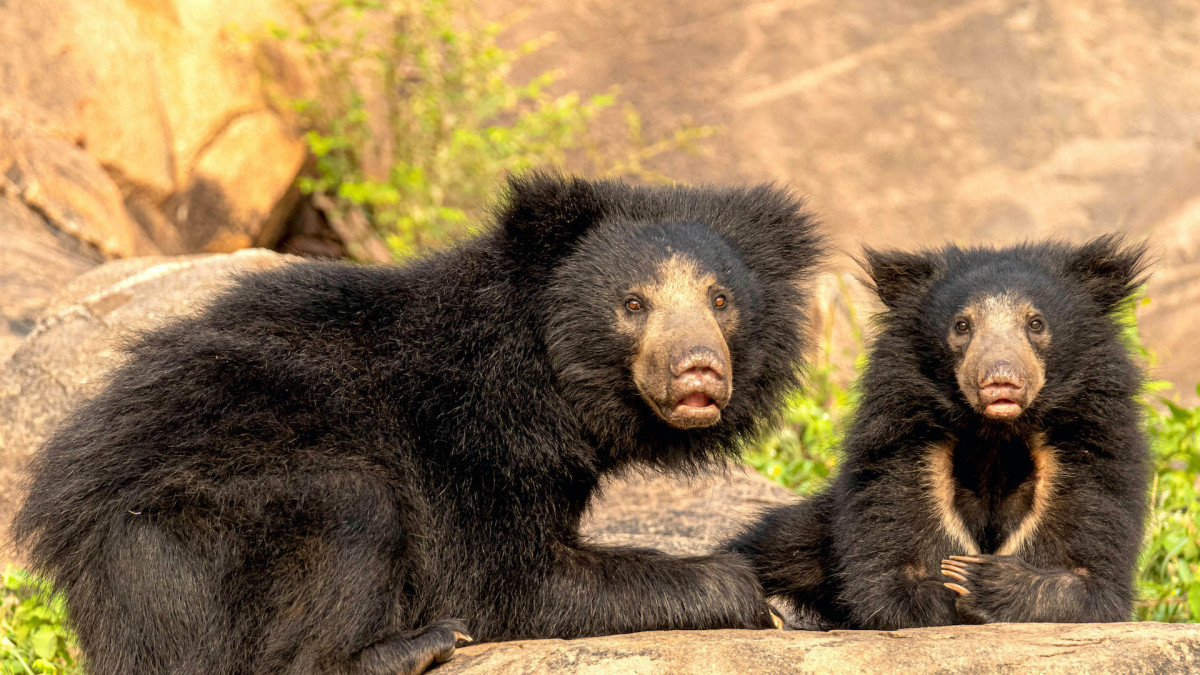
The sloth bear is one of Asia’s most distinctive bear species, characterized by a shaggy, unkempt appearance and uniquely adapted physical features that make it perfectly suited for its specialized diet. These solitary creatures typically weigh between 80 to 140 kilograms, with males generally larger than females. Their most distinctive feature is their long, flexible snout and specially adapted digestive system that allows them to thrive on a diet of insects, particularly termites and ants.
One of the most remarkable adaptations of the sloth bear is their ability to close their nostrils completely, providing protection from dust and insects when raiding termite nests or beehives. Additionally, sloth bears possess a characteristic gap in their front teeth where upper incisors would typically be found, an evolutionary adaptation that facilitates their unique feeding technique of sucking termites from deep within mounds after digging with their powerful, long claws.
Behavioral Characteristics

Sloth bears are primarily nocturnal creatures, meaning they are most active during nighttime hours. Unlike many other bear species, sloth bears are solitary animals that prefer to wander alone through the forests of South Asia in search of food and suitable habitat. They emit distinctive noisy grunts and snorts as they forage, sounds that can be heard echoing through the forests at night as they go about their nightly routines.
One truly unique behavioral trait among sloth bears is their parenting style. Sloth bears are the only bear species to routinely carry their young on their backs, a remarkable maternal behavior that strengthens bonds between mother and cubs while allowing protective mothers to keep constant watch over their vulnerable offspring. This distinctive parenting approach has become iconic in conservation education and public awareness campaigns.
Dietary Specialization
The sloth bear’s diet consists predominantly of termites and ants, supplemented by seasonal fruits when available. Their specialized feeding technique involves using their elongated snout and powerful front claws to excavate termite mounds and ant colonies, then employing their long tongue to extract the insects. This ecological specialization makes sloth bears particularly important for forest ecosystem management, as their feeding activities help control insect populations and aerate soil.
Dispelling Myths: The Misunderstood Bear
Reputation vs. Reality

Despite their fearsome reputation in some quarters, sloth bears are fundamentally shy, retiring creatures that prefer to avoid human contact. While sloth bears have been characterized as the “most dangerous” bear species, this characterization stems largely from cultural narratives and historical incidents rather than accurate behavioral assessment. In reality, sloth bears do not naturally view humans as prey and avoid confrontation whenever possible.
Defensive Behavior and Human Encounters
The defensive-aggressive responses that have earned sloth bears their dangerous reputation typically occur when bears are surprised or startled by humans, leading to sudden defensive reactions rather than predatory attacks. These encounters often result from accidental meetings in forests rather than intentional aggression from the bears. Understanding this crucial distinction is essential for fostering coexistence between human communities and sloth bear populations.
Conservation organizations and wildlife experts consistently emphasize that most sloth bear incidents occur when humans inadvertently encroach on bear habitat or surprise animals while foraging. Through education and awareness programs, communities sharing space with sloth bears can learn appropriate precautions and behavioral protocols that reduce the likelihood of dangerous encounters, benefiting both humans and bears.
Current Conservation Status and Challenges
Vulnerable Status and Population Decline

The International Union for the Conservation of Nature (IUCN) classifies sloth bears as a vulnerable species, reflecting significant population declines over recent decades. Their classification as vulnerable indicates that while not yet critically endangered, sloth bears face serious threats that could rapidly escalate their conservation status if intervention efforts prove inadequate.
The decreasing sloth bear population stems from multiple interconnected threats, with habitat loss representing the most severe challenge. As human populations expand, agricultural development increases, and urban sprawl advances across South Asia, the forests that sloth bears depend upon for survival continue to shrink at alarming rates. This habitat fragmentation isolates populations, reducing genetic diversity and making species recovery more difficult.
Poaching and Human-Wildlife Conflict
Beyond habitat destruction, poaching represents another critical threat to sloth bear survival. Illegal hunting, often driven by international wildlife trafficking networks and local demand for bear parts used in traditional medicine, continues to deplete wild populations. Additionally, human-wildlife conflict escalates when bears venture into agricultural areas in search of food, leading to retaliatory killings by farmers protecting their crops and livestock.
Recent Conservation Concerns
Recent developments highlight the ongoing challenges facing sloth bear populations. In March 2025, mysterious deaths of three sloth bears occurred within weeks in Sri Lanka’s Wilpattu National Park, the country’s largest national park and a prime location for year-round sloth bear sightings. These unexplained deaths raised significant alarm among conservation officials and researchers, underscoring the complex, multifaceted threats facing these vulnerable animals.
World Sloth Bear Day: History and Significance
Establishment and Purpose

World Sloth Bear Day was officially established on October 12, 2022, through collaboration between the International Union for the Conservation of Nature (IUCN), forest departments across South Asia, and dedicated wildlife conservation organizations. The selection of October 12th as the official date holds significance in sloth bear conservation history and provides an annual focal point for advocacy efforts.
The establishment of this commemorative day represents a landmark achievement in global conservation awareness. By designating a specific day for sloth bear recognition, the international conservation community acknowledged the species’ ecological importance and the urgency of protection efforts. This annual observance creates opportunities for coordinated global action, educational initiatives, and public engagement.
Educational Impact and Community Engagement
World Sloth Bear Day facilitates extensive educational initiatives across schools, colleges, and community organizations throughout South Asia and beyond. Students and educators utilize this occasion to participate in discussions about wildlife conservation, create artistic representations of sloth bears, engage in creative writing exercises, and develop deeper understanding of these fascinating creatures.
Educational programs associated with World Sloth Bear Day have proven instrumental in shifting public perception of sloth bears, moving away from fear-based narratives toward appreciation and understanding. Through interactive learning experiences, young people develop empathy for sloth bears and become advocates for conservation efforts, often influencing their families and broader communities to support wildlife protection initiatives.
Recent Notable Developments in Sloth Bear Conservation
Historic Camera Trap Sighting in India
In July 2025, conservation efforts in India produced a significant milestone when camera trap technology captured the first-ever documented sloth bear sighting in the Kule region. This historic recording provided researchers with invaluable data about sloth bear distribution, movement patterns, and habitat use in previously undocumented areas. The successful documentation underscores both the ecological significance of the region and the effectiveness of modern conservation monitoring technologies.
This sighting demonstrated that sloth bear populations exist in areas previously thought to be beyond their historical range or where they had disappeared entirely. Such discoveries inspire hope that with proper protection and habitat restoration, sloth bear populations might expand into previously suitable areas where they have been absent for decades. The camera trap data contributes to expanding scientific understanding of sloth bear ecology and movement patterns.
Zoo-Based Conservation Programs
Zoos worldwide, including institutions like the Little Rock Zoo, play increasingly important roles in sloth bear conservation through captive breeding programs, educational outreach, and research initiatives. These facilities provide safe environments for sloth bears while generating crucial funding for wild population protection efforts. Zoo-based programs also contribute to public understanding by allowing visitors to observe sloth bear behavior and learn about conservation challenges through interpretive programs and educational exhibits.
The Ecological Role of Sloth Bears
Forest Ecosystem Functions
Sloth bears play an important ecological role within South Asian forest ecosystems, functioning as ecosystem engineers through their foraging activities. Their excavation of termite mounds and ant colonies affects soil aeration, nutrient cycling, and vegetation patterns. By controlling insect populations, sloth bears maintain ecosystem balance and prevent pest outbreaks that could devastate forest health.
Indicator Species Status
As a large carnivore and specialist herbivore, sloth bears serve as indicator species reflecting the overall health and stability of forest ecosystems. The presence of viable sloth bear populations suggests adequate habitat quality and intact food webs. Conversely, population declines signal broader ecosystem degradation and environmental stress affecting multiple species across the landscape.
Conservation Efforts and Future Outlook
Protected Area Networks
Conservation organizations and government agencies have established networks of protected areas specifically designed to preserve sloth bear habitat and ensure population survival. These reserves provide refuge from poaching and habitat destruction, allowing populations to recover and maintain genetic diversity. However, many protected areas face challenges including insufficient funding, inadequate staffing, and pressure from surrounding development.
Community-Based Conservation Initiatives
Successful sloth bear conservation increasingly relies on community-based approaches that engage local populations as conservation partners rather than obstacles. Programs providing alternative livelihood opportunities, compensation for livestock losses caused by bears, and education about coexistence have proven effective in reducing human-wildlife conflict and building local support for protection efforts.
Research and Monitoring Programs

Ongoing research initiatives continue to expand scientific understanding of sloth bear ecology, behavior, genetics, and population dynamics. Advanced monitoring technologies including camera traps, GPS tracking, and genetic analysis provide unprecedented insights into sloth bear movements, habitat preferences, and population health. This research foundation is essential for developing evidence-based conservation strategies.
International Collaboration
Effective sloth bear conservation requires international cooperation, as populations span multiple countries with shared ecosystems and migration corridors. Regional partnerships between India, Nepal, Sri Lanka, and Bangladesh facilitate coordinated protection efforts, information sharing, and harmonized conservation policies. International funding mechanisms and technical support from global conservation organizations augment national conservation capacity.
Implications for Global Biodiversity Conservation
Lessons from Sloth Bear Conservation
The challenges and successes in sloth bear conservation offer valuable lessons for broader biodiversity protection efforts. The species demonstrates how habitat loss and human-wildlife conflict threaten even adaptable species, emphasizing the urgency of landscape-level conservation planning. Conversely, successful community engagement initiatives and protected area management provide models for other conservation programs.
Climate Change Considerations
Climate change poses emerging threats to sloth bear populations through altered rainfall patterns, changing food availability, and habitat transformation. Increasingly unpredictable seasonal patterns may disrupt the availability of termites and seasonal fruits that comprise their diet. Conservation strategies must incorporate climate resilience planning to ensure long-term species survival in changing environmental conditions.
Genetic Diversity and Population Viability
With sloth bear populations increasingly fragmented by habitat loss, maintaining genetic diversity has become a critical conservation priority. Small, isolated populations face increased risks of genetic problems and reduced fitness. Conservation efforts must focus on maintaining habitat connectivity and genetic exchange among populations to ensure long-term viability and evolutionary potential.
Conclusion: A Call to Action for Sloth Bear Protection
World Sloth Bear Day 2025 reminds us of the urgent need for sustained commitment to protecting one of Asia’s most remarkable yet vulnerable species. The sloth bear, with its unique adaptations, complex behaviors, and ecological importance, deserves recognition and protection. Recent successes in conservation, from historic camera trap sightings to expanding community engagement initiatives, demonstrate that progress is possible when stakeholders unite behind a shared conservation vision.
However, significant challenges remain. Habitat loss, poaching, human-wildlife conflict, and emerging threats from climate change continue to threaten sloth bear populations across their range. Addressing these challenges requires sustained investment in protected areas, community-based conservation programs, research initiatives, and international cooperation. Every stakeholder—from local communities living alongside bears to international conservation organizations—has a role to play in ensuring sloth bear survival.
As we commemorate World Sloth Bear Day, we are reminded that protecting sloth bears protects entire forest ecosystems and the countless species that depend upon them. By supporting conservation initiatives, respecting wildlife habitat, and fostering coexistence between humans and bears, we contribute to a more biodiverse and resilient world. The future of sloth bears rests in our collective commitment to sustainable practices, informed decision-making, and unwavering dedication to wildlife protection for generations to come.
Learn More About Wildlife and Conservation
To explore more compelling stories about wildlife, endangered species, and conservation efforts worldwide, visit our Economy section for insightful analysis of environmental economics. For understanding how technology is revolutionizing conservation efforts, see our post about technological innovations.
Discover remarkable stories of human innovation and resilience. Read How M-PESA Transformed Kenya’s Economy, showcasing how transformative solutions emerge from creative problem-solving—principles equally applicable to conservation challenges. To stay informed about global developments and environmental news, check our latest posts.
For more information about our publication and its commitment to quality journalism, learn more on our About Us page, or get in touch via Contact Us for inquiries and collaboration opportunities.