
Nepal’s Gen Z Protests: A Historic Movement Reshaping the Nation
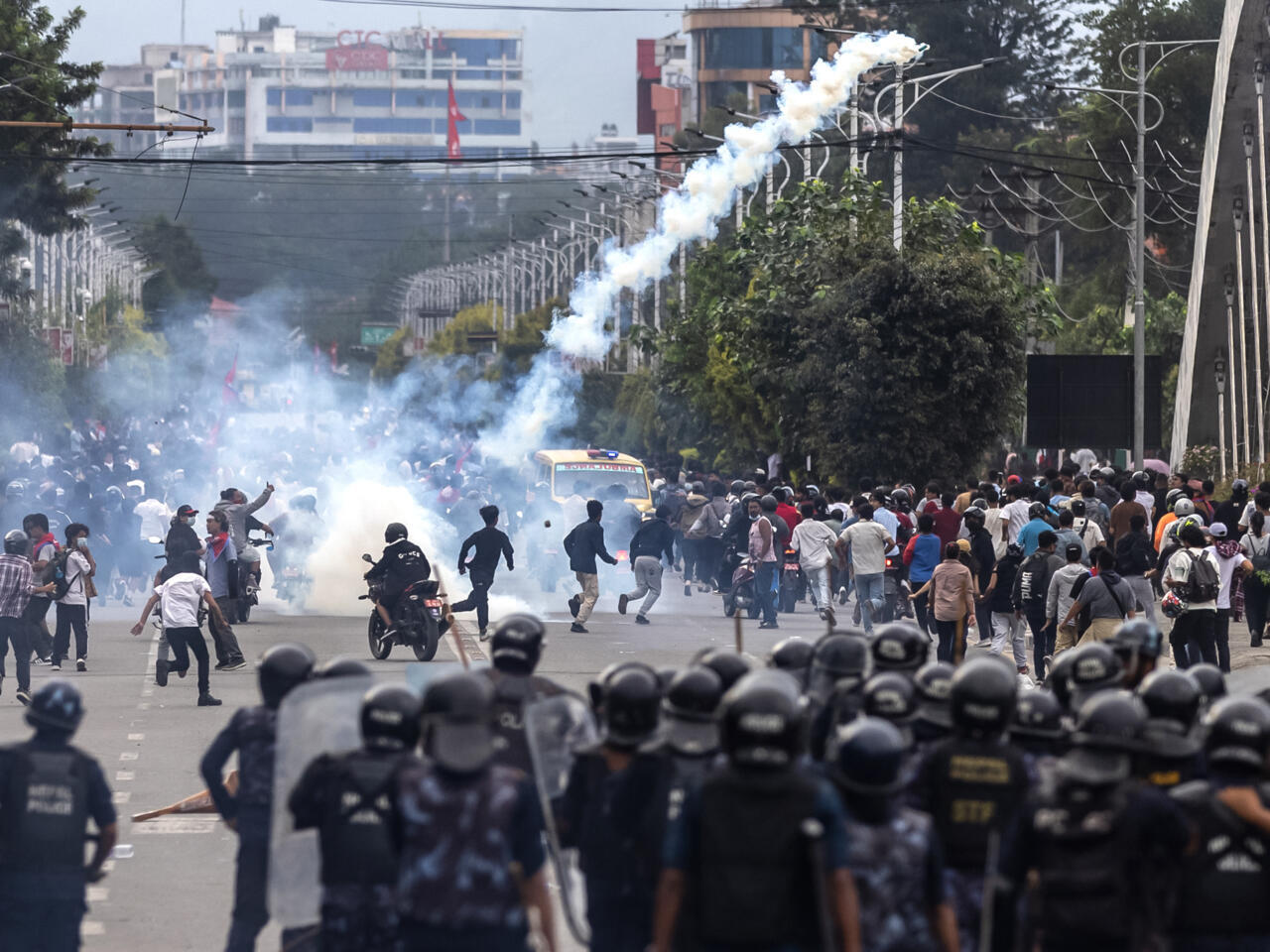
Nepal has been thrust into global headlines this week as thousands of young people take to the streets in what is being called the Nepal Gen Z protests 2025. Triggered by the sudden government decision to ban 26 popular social media platforms, including Facebook, YouTube, X, Instagram, and WhatsApp, the movement has quickly grown into a nationwide uprising against corruption, political stagnation, and the lack of economic opportunities for the country’s youth.
What started as peaceful gatherings of students in school and college uniforms in Kathmandu has transformed into one of the most significant protests in Nepal’s recent history. With Prime Minister KP Sharma Oli’s resignation, the deployment of the army, and curfews across major cities, the protests mark a turning point in Nepal’s political journey.
The Spark: Social Media Ban
On September 8, 2025, the Nepalese government shocked citizens by announcing a blanket ban on 26 social media platforms. Officials claimed that these platforms had failed to register locally and were contributing to misinformation, but for Nepal’s tech-savvy youth, the move felt like an attack on their freedom of expression and their primary means of connection with the world.
The ban disrupted education, businesses, and communication, especially among younger generations who rely heavily on digital spaces for learning, entrepreneurship, and activism. Students organized flash mobs, online campaigns using VPNs, and eventually mass rallies that spilled into the streets of Kathmandu and beyond.
Escalation and Clashes
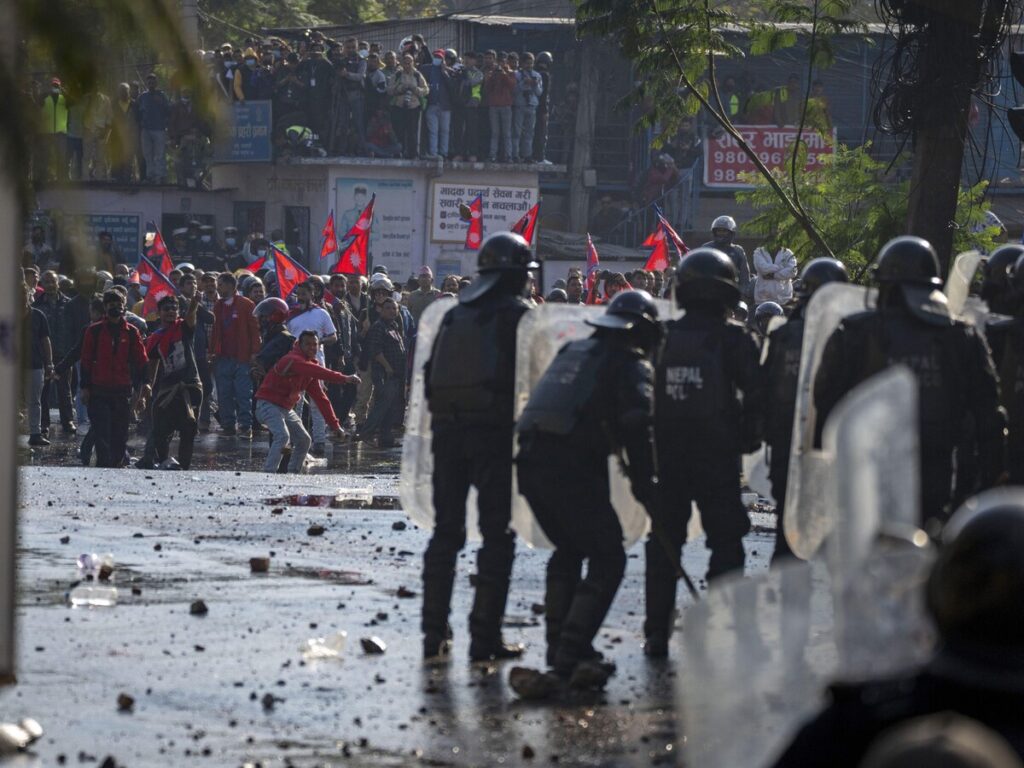
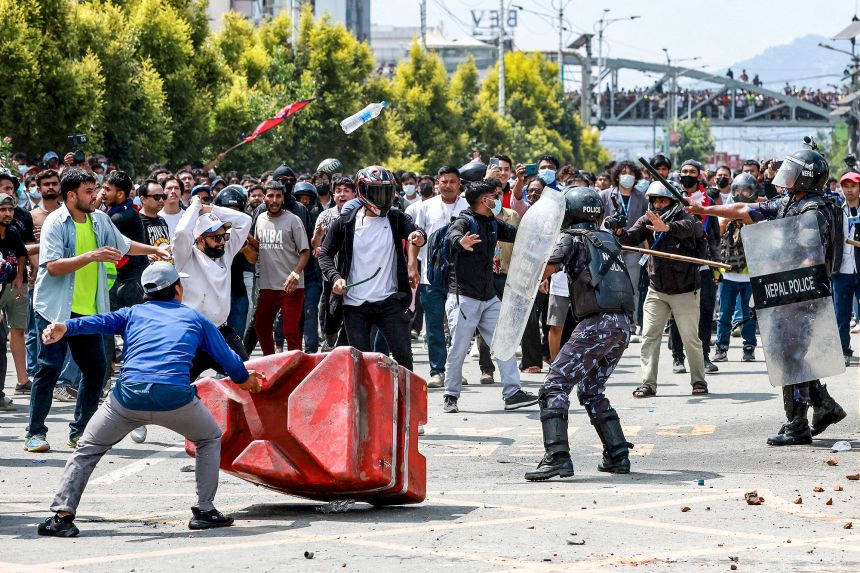
What began peacefully soon escalated as protesters gathered near Parliament in Kathmandu, demanding the immediate reversal of the ban and accountability from leaders they accused of corruption and nepotism. Security forces responded with tear gas, rubber bullets, and in some cases live ammunition.
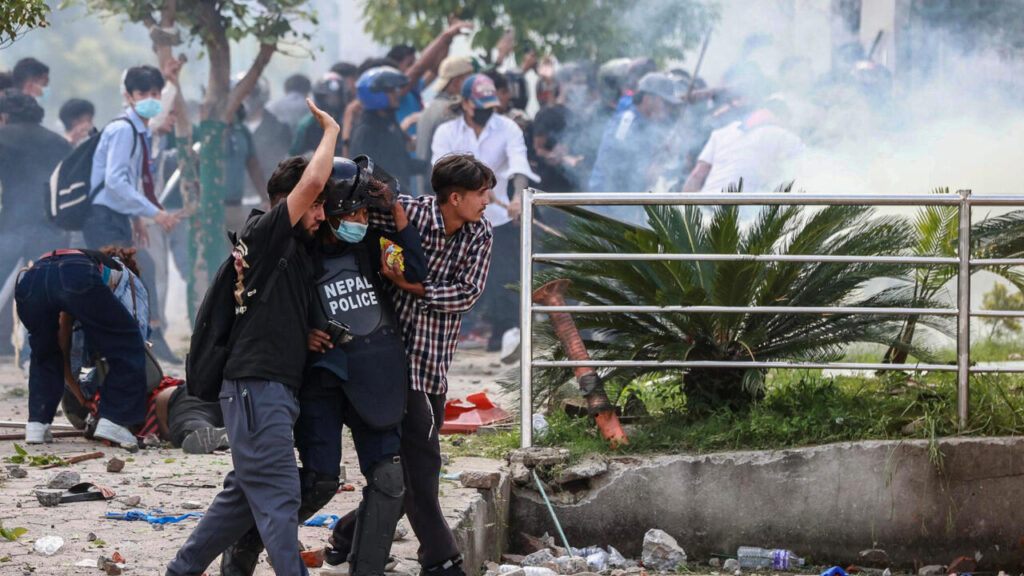
By September 9, the situation had spiraled into violence. Reports indicated at least 19–30 deaths and hundreds, if not over 1,000 injuries, as demonstrations turned into clashes. Anger reached a boiling point when protestors stormed political offices, set fire to government property, and torched parts of the Parliament building.
The government declared curfews in several districts, while the army took control of sensitive installations, including Tribhuvan International Airport. For many Nepalis, the sight of soldiers patrolling the streets was a stark reminder of the country’s turbulent political past.
The Fall of Prime Minister KP Sharma Oli
Amid mounting unrest and international pressure, Prime Minister K.P. Sharma Oli tendered his resignation. Oli, already criticized for his leadership style and alleged involvement in corruption scandals, faced mounting anger as videos of violent crackdowns spread globally.
His departure has left a political vacuum. Protesters have voiced support for Sushila Karki, Nepal’s first female Chief Justice, as a potential transitional leader. Karki is viewed as a symbol of integrity and independence—qualities that many young Nepalis believe are necessary to rebuild trust in government institutions.
Why Gen Z?
The Nepal Gen Z protests 2025 are unique because of the generation driving them. Unlike earlier protest movements in Nepal, which were often led by political parties or unions, this wave is largely youth-driven and decentralized.
Gen Z protesters:

Use technology to coordinate, even amid internet restrictions.
Reject old political hierarchies, instead seeking fresh leadership.
Highlight corruption and nepotism as central grievances.
Express frustration with unemployment and lack of opportunity, with many university graduates unable to find work.
This generation grew up in a Nepal transitioning from monarchy to democracy, but many feel that politicians have squandered opportunities for progress. Their activism reflects a desire for transparency, fairness, and modernization.
Nationwide Spread of the Protests
What began in Kathmandu quickly spread across the country. Demonstrations have been reported in Pokhara, Butwal, Biratnagar, Janakpur, Bharatpur, Bhairahawa, and smaller towns. Local governments in many of these areas imposed curfews, but the scale of participation suggests widespread dissatisfaction beyond the capital.
In Pokhara, university students staged sit-ins at public squares, while in Biratnagar, business owners joined rallies to protest the economic toll of corruption and instability. Meanwhile, diaspora communities abroad have organized solidarity marches, amplifying the movement’s message on international platforms.
Government and Army Response
The army’s presence in Kathmandu has been met with mixed reactions. Some citizens see it as necessary to prevent further chaos, while others fear it represents a slide back toward authoritarianism.
Authorities initially tried to justify the social media ban as a regulatory measure, but growing backlash forced officials to lift restrictions on some platforms temporarily. Yet, this concession was too little, too late. The protests had already expanded to broader calls for systemic change.
Internationally, rights groups such as Amnesty International and Human Rights Watch have condemned the excessive use of force, while neighboring India and China are monitoring the unrest closely given Nepal’s strategic importance.
The Role of Women and Youth Leaders
One striking feature of the protests is the visible participation of women and young leaders. Many female students have taken the front lines, chanting slogans, leading marches, and documenting events live when internet access allowed. Their presence has challenged traditional gender roles in Nepalese society and highlighted the inclusive spirit of the movement.
Calls for Sushila Karki to step in as a caretaker leader resonate deeply with this sentiment. Many protesters see her as a unifying figure capable of overseeing reforms until free elections can be held.
Casualties and Human Toll
While the protests have energized a generation, the human toll is devastating. Families mourn young sons and daughters killed in clashes. Hospitals in Kathmandu and other cities are overwhelmed with injured protesters. Journalists and human rights observers have reported incidents of excessive police force, unlawful detentions, and intimidation of activists.
Despite the danger, crowds continue to gather, chanting slogans like “No more corruption!” and “Our future, our voice!”. The resilience of the movement has surprised both local authorities and international observers.
What Lies Ahead for Nepal?
The Nepal Gen Z protests 2025 are more than just a reaction to a social media ban. They represent a generational demand for clean governance, opportunity, and dignity. With Oli’s resignation, the immediate political question is who will step in to lead the country through this crisis.
If the protesters’ demand for a figure like Sushila Karki is met, Nepal could enter a transitional phase aimed at reform and reconciliation. However, if political elites attempt to cling to power without addressing corruption and inequality, the protests are likely to continue, potentially destabilizing the country further.
Economically, the unrest threatens tourism, trade, and investment at a time when Nepal is already struggling with inflation and unemployment. International support, careful mediation, and inclusive leadership will be critical in the coming weeks.
Conclusion
The Nepal Gen Z protests 2025 are a defining moment in the country’s modern history. Sparked by a government crackdown on social media, they have evolved into a nationwide demand for accountability, justice, and opportunity. With the fall of Prime Minister Oli, Nepal stands at a crossroads: either embrace reform and rebuild trust, or risk deeper instability.
One thing is certain—Nepal’s young people have found their voice, and they are determined to shape the nation’s future.