
Young Demonstrators Face Serious Charges Following Kikuyu Town Incident
Twenty-four young activists from Generation Z appeared before Kahawa Law Courts today facing serious criminal charges including terrorism, arson, and malicious damage to property. The individuals, who were arrested in Kikuyu town, have been released on cash bail of KSh 50,000 each, according to their legal representative Babu Owino.
The case has drawn significant attention as it involves members of Kenya’s youngest politically active generation, raising questions about the balance between youth activism, public safety, and law enforcement responses to demonstrations.
Details of the Charges
The 24 accused individuals are facing three distinct charges that carry substantial legal weight under Kenyan law. The first and most serious charge is commission of a terrorism act, which falls under Kenya’s Prevention of Terrorism Act and typically involves allegations of actions intended to intimidate the public or compel government authorities.
The second charge relates to arson, which involves the deliberate setting of fire to property. This offense carries severe penalties under Kenyan criminal law and is treated as a serious threat to public safety and property rights.
The third charge concerns malicious damage to property, which involves the intentional destruction or defacement of property belonging to others. This charge is often associated with protests that turn violent or result in vandalism.
Background on Gen Z Activism in Kenya

Generation Z, typically defined as individuals born between the mid-1990s and early 2010s, has become increasingly politically engaged in Kenya in recent years. This demographic has utilized social media platforms to organize demonstrations, advocate for government accountability, and push for reforms across various sectors. For more insights on how technology shapes modern activism, see our post: How Governments Shut Down the Internet.
Young Kenyans have been particularly vocal about issues including cost of living, unemployment, education access, and government transparency. Their activism has manifested through both online campaigns and street demonstrations, sometimes leading to confrontations with authorities.
The current case represents one of the more serious legal challenges faced by young activists, as terrorism charges carry particularly heavy penalties and can have long-lasting implications for those accused.
The Kahawa Court Proceedings

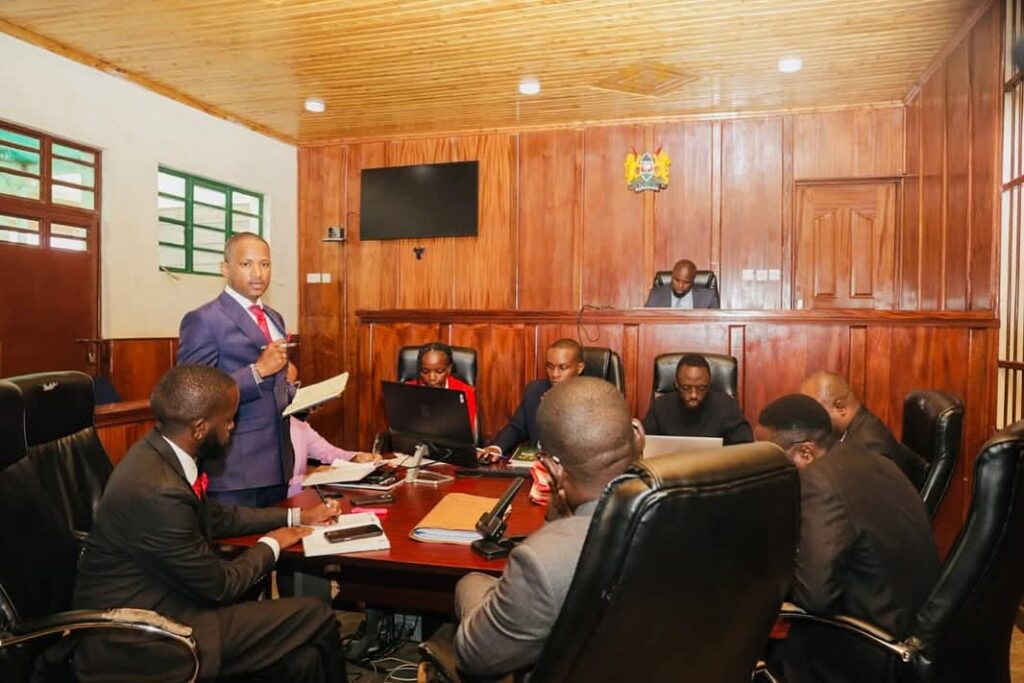
During the court appearance at Kahawa Law Courts, the prosecution presented the charges against the 24 individuals. The court heard arguments regarding bail conditions, taking into account the nature of the charges, the ages of the accused, and their ties to the community.
The decision to grant bail at KSh 50,000 per individual suggests that the court found sufficient grounds to allow the accused persons to remain free while awaiting trial. This amount represents a significant sum in the Kenyan context but was deemed appropriate given the seriousness of the charges.
Legal representation for the group emphasized the presumption of innocence that applies to all accused persons under Kenyan law. The defense likely argued that the individuals posed no flight risk and should be allowed to prepare their defense while not in custody.
Legal Framework and Implications
Kenya’s Prevention of Terrorism Act provides broad powers to law enforcement and prosecutors in cases involving alleged terrorist activities. The Act defines terrorism widely and has been criticized by some civil society organizations for potentially being used to suppress legitimate political dissent.
Arson charges under the Penal Code carry penalties including imprisonment for up to life, depending on the circumstances and whether anyone was injured or killed. The seriousness of this charge reflects society’s concern about fire as a particularly dangerous form of property damage.
Malicious damage to property charges are more common in protest-related cases and typically result in less severe penalties than terrorism or arson. However, when combined with more serious charges, they contribute to the overall legal jeopardy faced by the accused.
The Role of Legal Representation

Babu Owino, who announced the bail outcome on social media, is a prominent political figure and lawyer known for advocating for youth causes. His involvement in the case highlights the political dimensions of the prosecution and the support network available to the accused individuals.
Legal representation in such cases is crucial, as the complexities of terrorism law and the potential consequences of conviction require experienced advocacy. The ability to secure bail for all 24 individuals represents a significant initial success for the defense team.
The case also raises questions about access to justice for young activists who may not have the financial resources or political connections to mount robust legal defenses. The outcome may differ significantly for individuals with varying levels of legal support.
Community and Public Reactions
The arrest and charging of 24 young people has generated discussion across Kenyan social media platforms and in communities. Supporters of the accused view them as peaceful activists being unfairly targeted for exercising their constitutional rights to assembly and expression. Visit our Technology articles to learn more about how social media influences modern activism.
Critics, however, point to the specific charges of arson and property damage as evidence that the individuals allegedly engaged in destructive behavior that goes beyond legitimate protest. They argue that accountability is necessary when demonstrations result in property destruction or threats to public safety.
The case has become emblematic of broader debates about youth activism, protest tactics, and government responses to dissent in Kenya. Different segments of society interpret the arrests and charges through their own political and social perspectives. For related lifestyle perspectives, read Parenting in Kenya 2025 to understand generational dynamics.
What Happens Next

The 24 individuals will now prepare for their trial while out on bail. This process typically involves gathering evidence, interviewing witnesses, and developing legal strategies to challenge the prosecution’s case.
The prosecution will need to present evidence supporting each of the three charges beyond a reasonable doubt. In terrorism cases, this often involves demonstrating intent to intimidate or coerce, which can be legally complex to prove.
The timeline for the trial will depend on court scheduling, the complexity of the evidence, and any pre-trial motions filed by either side. Kenyan courts are often backlogged, meaning the case could take months or even years to reach a final verdict.
Broader Context of Youth Demonstrations
This case occurs within a larger pattern of youth-led demonstrations in Kenya and across Africa. Young people have increasingly taken to the streets to demand better governance, economic opportunities, and accountability from leaders.
While many demonstrations remain peaceful, some have resulted in property damage, confrontations with police, and arrests. Governments have responded with varying approaches, from dialogue and reform to increased security measures and prosecutions. To understand the economic factors driving youth discontent, explore our Economy section.
The balance between protecting public order and respecting rights to freedom of expression and assembly remains contentious. Cases like this one will likely influence how future demonstrations are organized, policed, and prosecuted. Read How M-PESA Transformed Kenya’s Economy to see how financial inclusion has empowered younger generations.
Conclusion

The appearance of 24 Gen Z activists at Kahawa Law Courts on charges of terrorism, arson, and malicious property damage represents a significant moment in Kenya’s ongoing conversation about youth activism and protest rights. While the granting of bail allows the accused to maintain their freedom during the legal process, they still face serious charges that could result in substantial penalties if convicted.
The case will be closely watched by activists, civil society organizations, legal observers, and government authorities as it proceeds through the judicial system. The outcome may have implications for how similar cases are handled in the future and for the broader relationship between young activists and the Kenyan state.
As the legal process unfolds, the fundamental principles of justice—including the presumption of innocence, the right to a fair trial, and the need for evidence-based prosecutions—will be tested. The coming months will reveal whether the charges can be substantiated and how the courts balance competing concerns of public safety, property rights, and constitutional freedoms.
Stay informed on the latest news and developments. Back to Home | Learn more on our About Us page | Get in touch via Contact Us
Related Articles: