Breaking News: Torrential Rains Strike Spain’s Catalonia Region
Floods have trapped people in vehicles and homes across Spain’s northeastern Catalonia region as torrential rain drenched the area on Sunday. The national weather agency AEMET declared the highest red alert for heavy rain in Tarragona province, warning of 180 millimetres of rain within 12 hours in the Ebro river delta. The flooding crisis marks another severe weather event for Spain, coming as the country grapples with ongoing climate-related challenges affecting infrastructure and communities across multiple regions.
Understanding the Current Flooding Crisis
The Immediate Threat in Catalonia
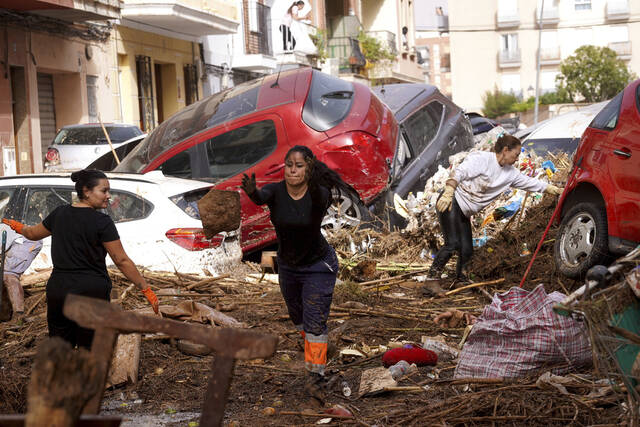
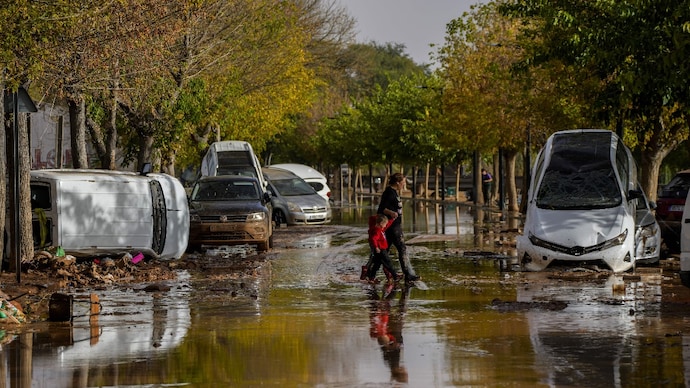
Local media documented roaring torrents of brown water tearing through streets and submerging vehicles, capturing the devastating power of the floodwaters. The rapid onset and intensity of the flooding have created emergency situations across multiple municipalities, with residents facing unexpected dangers as water levels rose dramatically. Emergency services have been overwhelmed with incoming distress calls as the situation developed throughout the evening hours.
Catalan fire service spokesman Oriol Corbella reported that people had been caught by surprise, with “entrapments inside vehicles, in buildings, on ground floors”. These trapped individuals represent the most critical concern for emergency responders, who have activated all available resources to reach those in danger. The unpredictability of flash flooding means that residents often have minimal warning before water inundates their surroundings.
Severe Impact on Local Communities
The mayor of Santa Barbara, Josep Lluis Gimeno, described the situation as “very tense” and noted that it “generates panic in the population” as the night brought heavier rain. Such rapid escalation of weather conditions creates unprecedented challenges for local authorities trying to coordinate evacuation and rescue efforts simultaneously.
Local streams and ravines “are completely overflowing and have invaded the entire centre of the town, dragging everything there is, containers and cars,” according to local officials. This destruction of vehicles and infrastructure demonstrates the sheer force of floodwaters moving through populated areas, turning ordinary streets and public spaces into dangerous waterways. The economic impact on affected communities extends beyond immediate damage, affecting local businesses and emergency resources.
Emergency Response and Official Actions
Alert Systems and Public Warnings
Catalonia’s civil protection service sent a telephone alert urging residents in the Montsia region to avoid travelling and approaching waterways. Such alerts represent a critical component of disaster response, giving communities the opportunity to seek shelter and take protective measures before conditions deteriorate further.
The regional government’s leader Salvador Illa joined the call on social media, pleading with citizens “for maximum precaution”. Government officials recognized the severity of the situation and sought to mobilize public cooperation in response efforts. Public communication during emergencies plays a vital role in helping communities make informed decisions about their safety.
Communication and Data from Emergency Services
Catalan emergency services published data on the calls they had received showing a sharp spike from 5:00 pm (1500 GMT), with 142 cases generated. This surge in emergency calls reflects the sudden nature of the flooding and the widespread danger affecting multiple neighborhoods simultaneously. Emergency responders faced enormous pressure as they attempted to address the volume of distress calls with available resources.
Transportation Disruptions Across the Region
Rail Network Suspended
All trains travelling through the Mediterranean corridor from Barcelona and Valencia, Spain’s second and third-largest cities respectively, were suspended until further notice, as announced by national railway company Renfe. The suspension of rail service represents a significant disruption to the region’s transportation infrastructure and affects thousands of commuters and travelers daily.
The Spanish Traffic Authority reported eight roads closed across Valencia, Catalonia, and Aragón due to flooding. Road closures compound the transportation challenges facing the region, as motorists face detours and delays. These infrastructure disruptions have ripple effects throughout the regional economy, affecting businesses and supply chains dependent on reliable transportation networks.
Wider Regional Context
Rail and road travel disruption in Catalonia started to be reported as water accumulated on tracks and motorways. The accumulation of water on key transportation routes creates hazardous conditions and necessitates comprehensive closure of affected areas until water levels recede and infrastructure can be safely assessed for damage.
Historical Context: Spain’s Ongoing Flood Crisis
Recent Flooding History
Heavy rain caused weeks of flooding across provinces in March 2025 resulting in extensive damage, coming just months after Valencia experienced the worst flood it had seen in decades with more than 200 people being killed. The frequency and severity of these flooding events raise concerns about changing climate patterns affecting the Iberian Peninsula.
The downpours came after the eastern Valencia region, which suffered Spain’s deadliest floods in decades last year, emerged relatively unscathed from another red alert declared on Friday. Communities previously devastated by flooding remain in a heightened state of alert, recognizing the ongoing threat posed by extreme weather systems.
Some municipalities devastated by last year’s disaster cancelled school and outdoor activities planned for Monday due to a fresh rain warning. The trauma and uncertainty from previous flooding events continue to influence decision-making in affected communities, as residents and officials adopt a precautionary approach to new weather warnings.
The Ibiza Impact
Flooding struck the popular holiday island of Ibiza on Saturday for the second time in two weeks as the storm moved east and north into the Mediterranean after drenching southeastern Spain. The repeated flooding of popular tourist destinations raises concerns about the reliability of infrastructure and the safety of visitors during peak travel seasons.
Ibiza airport was “gradually recovering” after briefly halting operations on Saturday, with four flights cancelled, eight diverted and others delayed in the morning, according to operator Aena. Airport disruptions during flooding events have significant economic consequences for tourism and commerce, affecting businesses and travelers across multiple sectors.
Climate Change and Long-Term Implications
Understanding the Scientific Connection
A hotter atmosphere holds more water that evaporates from a rapidly warming Mediterranean Sea, and climate change increases the risk and intensity of flooding from extreme rainfall in the region. This scientific reality underscores the connection between global climate patterns and the increasing severity of flooding events affecting Spain and the broader Mediterranean region.
The warming climate creates conditions conducive to more intense precipitation events, as atmospheric moisture levels rise. This trend suggests that Spain will likely face continued challenges with extreme weather in coming years, necessitating enhanced infrastructure resilience and emergency preparedness measures.
Recovery Efforts and Future Outlook
Government Response and Resources
In response to flooding, Aragon’s government deployed six ground crews, heavy machinery, and technical teams to assist with cleanup efforts in affected areas like Cuarte de Huerva. Comprehensive recovery operations require coordination of multiple government agencies and substantial financial investment to restore damaged infrastructure and support affected residents.
The reconstruction process following major flooding events extends over months or even years, as communities work to repair homes, businesses, and public infrastructure. The economic burden of repeated flooding events strains municipal and regional budgets, diverting resources from other essential services and long-term development projects.
Looking Forward
As Spain continues to face recurring flooding threats, communities and government officials must balance immediate emergency response with long-term adaptation strategies. Investment in improved drainage systems, early warning technology, and climate-resilient infrastructure represents a necessary approach to mitigating future flooding risks.
The experiences of Catalonia and neighboring regions offer valuable lessons for communities worldwide facing similar climate challenges. By sharing expertise and coordinating preparedness efforts, Spanish authorities hope to reduce future casualties and minimize economic damage from severe weather events.
Conclusion: A Nation Grappling with Climate Challenges

The flooding in Catalonia represents yet another reminder of Spain’s vulnerability to extreme weather events intensified by climate change. With people trapped in vehicles and homes, transportation networks disrupted, and emergency services stretched to capacity, the crisis demands immediate attention and comprehensive response efforts.
As the region works to rescue trapped residents and assess damage, questions about long-term infrastructure resilience and climate adaptation strategies remain pressing. Spain’s experience with repeated flooding events contributes important data to global understanding of climate impacts and the urgent need for mitigation strategies.
For those seeking to understand broader economic challenges facing affected regions, explore our Economy section to learn about impacts on regional commerce and infrastructure investment.
Additional resources about societal impacts: learn more on our About Us page or get in touch via Contact Us for further information.
This article presents factual information based on current reporting from authoritative sources covering the flooding crisis in Spain’s Catalonia region. Updates will be provided as the situation develops and additional information becomes available.