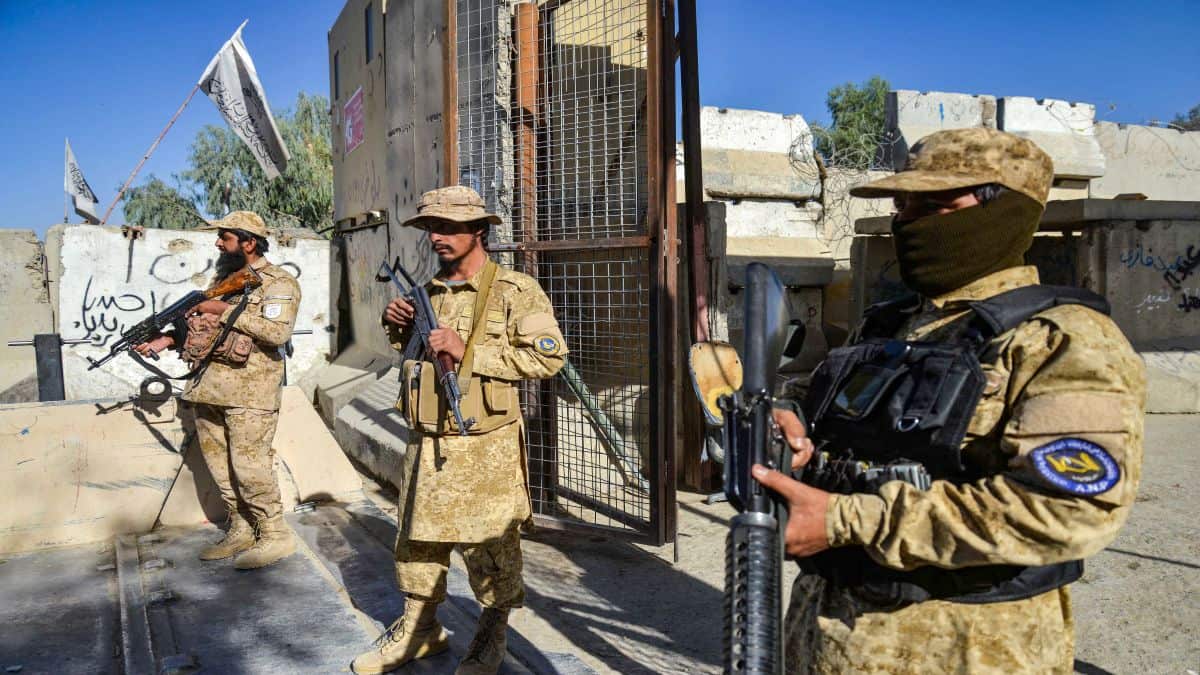
Breaking: Significant Hostage Release Marks Critical Milestone in Israeli-Palestinian Crisis
In a significant development in the ongoing Israeli-Palestinian conflict, thirteen remaining hostages have been freed by Hamas and transferred to Israeli custody, according to statements from the Israeli Defense Forces (IDF). The release represents a crucial step in the complex negotiations between Israel and Hamas, marking progress toward resolving the humanitarian crisis that has deeply affected families across the region. The freed individuals are now receiving medical evaluations and support from Israeli authorities as diplomatic efforts continue.
Background: Understanding the Hostage Crisis

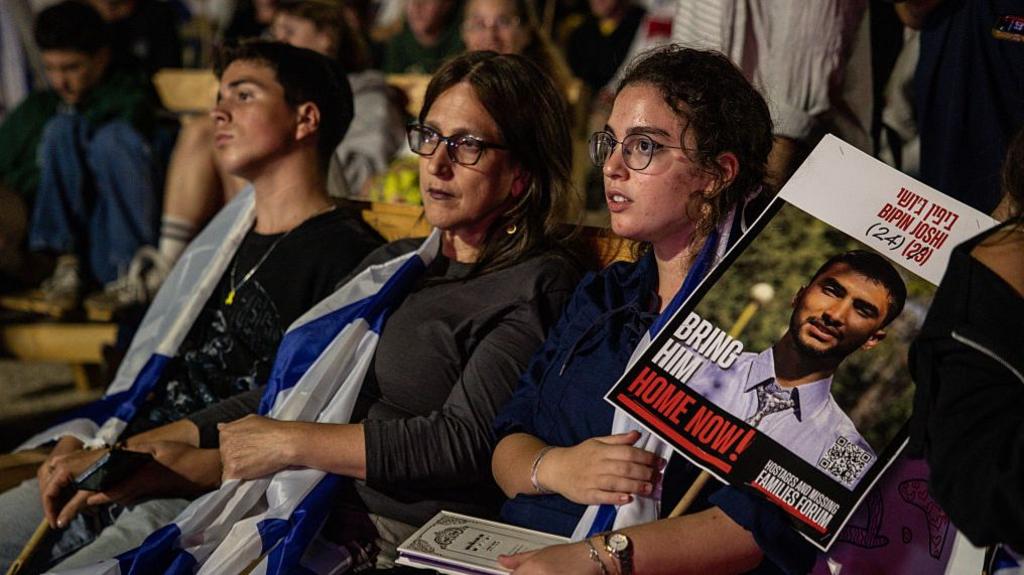
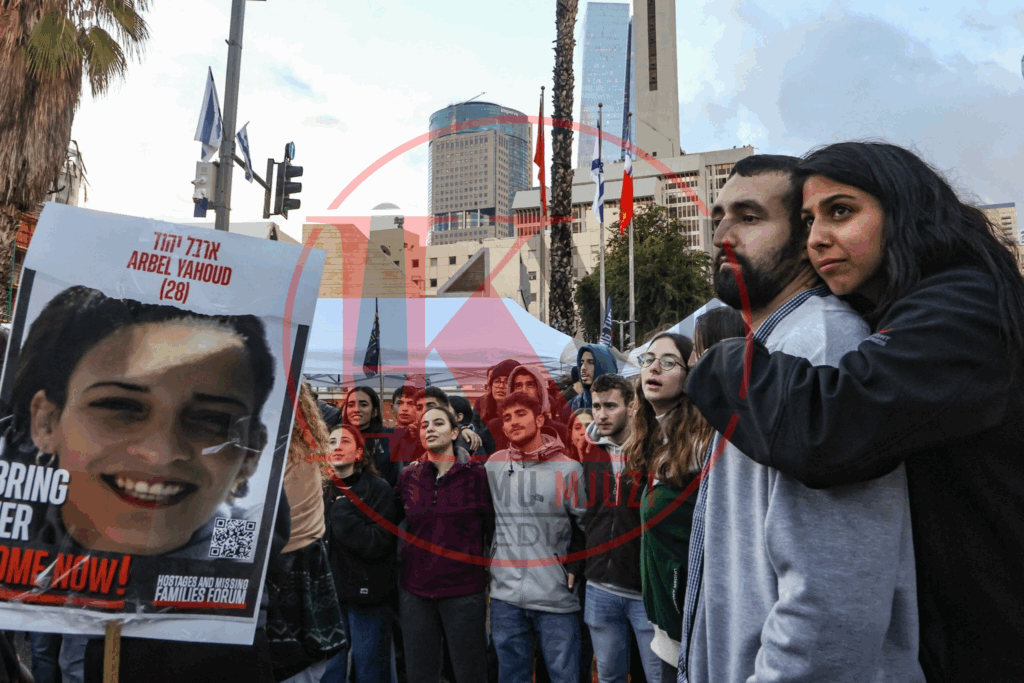
The hostage situation emerged as one of the most pressing humanitarian concerns in the Israeli-Palestinian conflict. Over the past months, various individuals were held captive, creating a standoff between Israeli authorities and Hamas leadership. Families of the detained individuals had launched widespread advocacy campaigns, holding demonstrations in major cities and international locations to draw attention to their plight. These efforts highlighted the emotional toll on loved ones waiting for their release.
The negotiations surrounding the hostages involved multiple parties, including international mediators working to facilitate dialogue between Israel and Hamas. The complexity of these discussions underscored the broader challenges facing peace efforts in the region. Each negotiation round represented a delicate balance between security concerns, political considerations, and humanitarian imperatives.
Details of the Recent Release
According to IDF statements, the thirteen hostages freed by Hamas are now in Israeli custody and have been transferred to relevant authorities for proper care and documentation. Initial reports indicate that the individuals are receiving comprehensive medical attention, including physical and psychological assessments. Medical teams have been mobilized to ensure that each freed person receives appropriate treatment following their captivity.
The identities and specific details about each individual are being handled with care to protect privacy during this sensitive period. Family members have been notified of the releases, bringing relief to relatives who have endured prolonged uncertainty about their loved ones’ conditions and whereabouts. The return of these individuals has prompted emotional reunions in various locations across Israel.
International and Domestic Reactions
Israeli government officials have characterized the hostage release as a positive development in ongoing negotiations with Hamas. Statements from Israeli leadership emphasize commitment to securing the freedom of any remaining individuals still in captivity. The Defense Ministry has reiterated its dedication to the safety and well-being of Israeli citizens.
Humanitarian organizations have also responded to the news, calling for continued efforts to resolve the broader conflict and prevent further civilian suffering. International bodies monitoring the situation have expressed hope that the release signals progress in diplomatic channels. These organizations continue advocating for adherence to international humanitarian law and proper treatment of all affected populations.
Family advocacy groups have welcomed the releases while maintaining pressure on authorities to continue negotiations. These groups have played an instrumental role in maintaining public awareness about the hostage situation through media campaigns and community engagement. Their efforts have contributed to keeping the humanitarian aspect of the conflict in the public consciousness.
Implications for Future Negotiations
The successful release of the thirteen hostages may pave the way for continued diplomatic engagement between the involved parties. Negotiators are reportedly examining the factors that enabled this breakthrough, seeking to identify patterns that could facilitate further progress. The momentum generated by this release could influence ongoing discussions about broader conflict resolution.
Regional stability remains a key concern for international observers monitoring developments in the Israeli-Palestinian situation. The release demonstrates that negotiation channels remain active despite the challenging political environment. Diplomatic experts suggest that maintaining these channels is essential for de-escalation and long-term peace efforts.
The role of international mediators has been crucial in facilitating communication between all parties involved. Countries and organizations serving as intermediaries have invested significant resources in shuttle diplomacy and behind-the-scenes negotiations. These efforts reflect the international community’s interest in resolving the humanitarian crisis and supporting regional stability.
Humanitarian Considerations
Medical professionals have established comprehensive care protocols for the freed hostages, recognizing the potential physical and psychological effects of prolonged captivity. Mental health support services are being made available to help individuals process their experiences. Social workers and counselors are coordinating with families to provide holistic assistance during the reintegration process.
Organizations specializing in trauma support have noted that the psychological impact of captivity extends beyond the immediate period of release. Long-term mental health services may be necessary to help individuals adjust to normal life and address potential symptoms of post-traumatic stress. The coordination between medical and psychological care providers is essential during this recovery phase.
Family reunification efforts are being conducted with sensitivity to the emotional complexity of these situations. Counselors are working with families to facilitate healthy reintegration processes that support both the freed individuals and their loved ones. These services recognize that the entire family unit may require support as they navigate the aftermath of the crisis.
Broader Context of the Israeli-Palestinian Conflict

The hostage situation exists within the larger framework of the Israeli-Palestinian conflict, a complex geopolitical issue with decades of history. The crisis has highlighted the humanitarian dimensions of broader political disputes and the urgent need for dialogue. Current events continue to affect civilian populations on both sides of the conflict.
International diplomatic efforts have been ongoing to address root causes of tension and build frameworks for sustainable peace. Various proposals have been discussed by mediators seeking to balance the security concerns and political interests of all parties involved. The international community remains engaged in supporting these peace-building initiatives. For more context on global affairs and international developments, Explore our Economy section and Visit Technology articles on our platform for in-depth analysis of geopolitical and economic factors.
Civil society organizations across the region continue working to promote dialogue, understanding, and reconciliation among affected communities. These grassroots efforts complement official diplomatic channels by fostering people-to-people connections and shared recognition of mutual suffering. Educational initiatives and community programs aim to build foundations for long-term coexistence.
Understanding how governments and institutions communicate during crises is essential to grasping these complex situations. For insights into government operations and communication technologies, see our post on how governments shut down the internet and explore how modern technology intersects with international affairs.
Looking Forward: Future Developments
As negotiations continue, observers are closely monitoring developments that may affect the trajectory of Israeli-Palestinian relations. The successful hostage release may serve as a catalyst for addressing other outstanding issues between the parties. Diplomatic experts suggest that maintaining momentum is critical for achieving broader conflict resolution objectives.
The international community continues to urge all parties to prioritize humanitarian considerations and work toward de-escalation. United Nations agencies and regional organizations are preparing contingency plans and support mechanisms for potential future developments. These preparations reflect the ongoing uncertainty surrounding the conflict’s evolution.
Long-term peace initiatives require sustained commitment from leadership on all sides, supported by international partners. Experts emphasize that individual breakthroughs, such as hostage releases, are important steps within a longer journey toward comprehensive resolution. The coming months will be critical in determining whether current progress can translate into broader conflict de-escalation.
Conclusion
The release of thirteen hostages by Hamas represents a significant moment in the Israeli-Palestinian conflict, bringing relief to families and demonstrating that diplomatic channels remain viable. While this development is encouraging, the broader challenges facing the region persist, requiring continued international engagement and commitment to humanitarian principles. As negotiations evolve, the focus remains on protecting civilian populations, facilitating dialogue, and working toward a sustainable resolution that respects the dignity and security of all affected communities. The coming weeks and months will reveal whether this positive development can contribute to meaningful progress toward lasting peace in the region.
Related Reading: For more comprehensive coverage of global events and their economic implications, read how M-PESA transformed Kenya’s economy to understand how innovation shapes nations. You can also learn more about our coverage or get in touch with our team for inquiries. For lifestyle and wellness perspectives, check out trending men’s fashion 2025 or read parenting in Kenya 2025 to maintain a balanced perspective on life beyond news cycles. Back to latest posts