Multiple Fatalities Reported in Devastating Crash Along Treacherous Route
A catastrophic bus accident has resulted in the deaths of 42 passengers in South Africa, marking one of the most severe transportation disasters in recent memory. The incident occurred on a mountain pass in the country’s challenging terrain, where authorities are now investigating the circumstances that led to the tragedy. Emergency services responded to the scene, working to assist survivors and recover victims from the wreckage.
For more news updates and coverage, back to our latest posts.
The Incident: What Happened
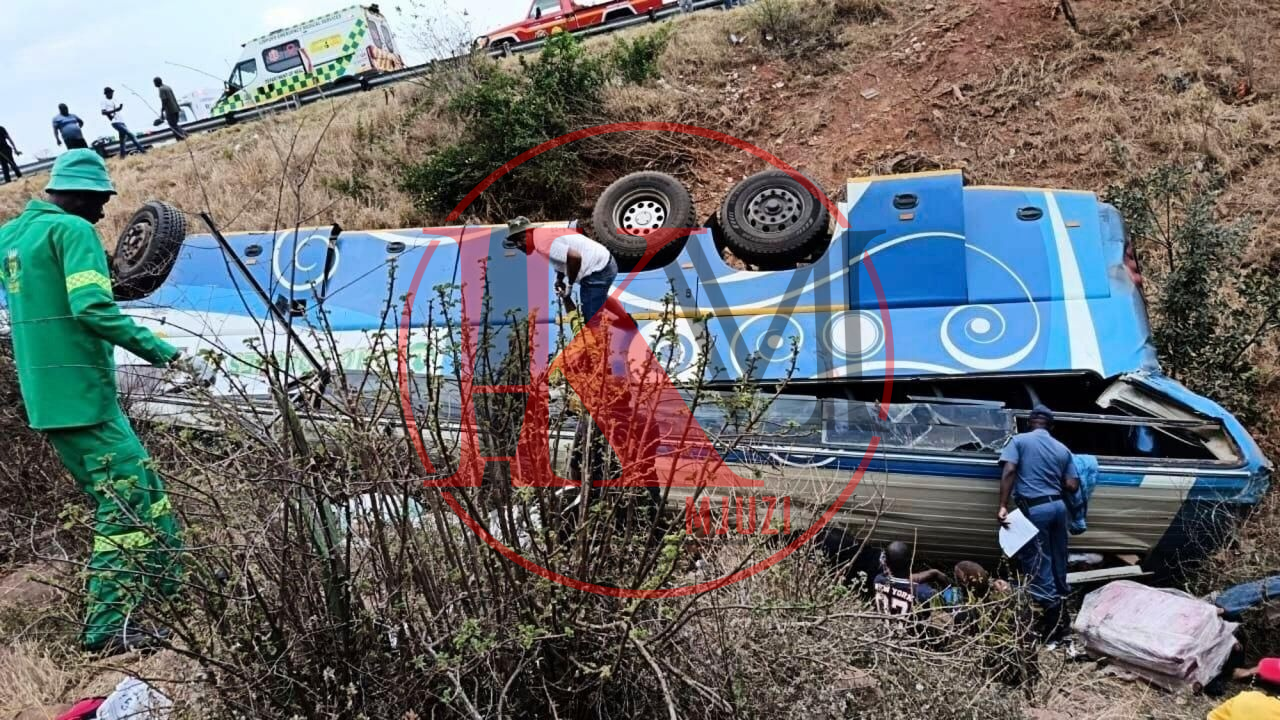
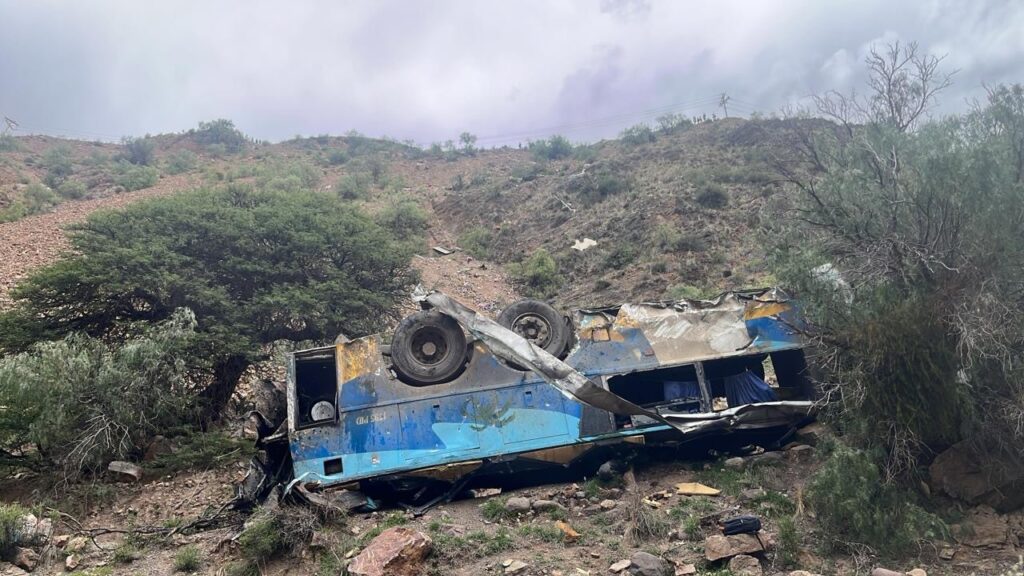
The bus carrying passengers veered off a mountain pass in South Africa, plunging down an embankment in what witnesses and officials are describing as a devastating collision. The vehicle, which appeared to be a long-distance coach designed for passenger transportation, overturned completely during the crash. The force of the impact left the bus in a severely damaged state, with emergency personnel discovering the extent of the casualties upon arrival at the scene.
Emergency responders, including rescue teams dressed in high-visibility uniforms, worked tirelessly at the crash site to attend to the injured and retrieve victims. The mountainous terrain and rugged landscape presented additional challenges for rescue operations, requiring specialized equipment and coordinated efforts from multiple emergency services. Photos from the scene show the bus lying on its side along the roadside, with debris scattered across the area.
Location and Road Conditions

South African mountain passes are known for their challenging driving conditions, featuring steep grades, sharp curves, and variable weather patterns. These geographical features present significant risks for all vehicles, particularly large passenger buses that require careful navigation and experienced operation. The specific pass where this accident occurred has been a subject of ongoing safety discussions among transportation authorities and road safety advocates.
The terrain surrounding the crash site reveals the dramatic landscape that characterizes many of South Africa’s transportation routes. Mountainous regions throughout the country have historically been associated with increased accident rates due to the demanding nature of the driving conditions. Factors such as elevation changes, limited visibility on curves, and weather-related hazards contribute to the inherent risks of navigating these crucial transportation corridors.
Like infrastructure challenges in other regions, road safety requires coordination between government bodies and proper resource allocation. Similar to how technological solutions have transformed other sectors, innovations in vehicle safety and transportation management can play a significant role. Visit our Technology section to see our post on how governments shut down the internet and understand the importance of communication infrastructure during emergencies.
Response from Emergency Services
First responders arrived at the scene quickly, deploying trained rescue personnel to manage the emergency situation. Emergency medical technicians provided immediate care to survivors, while rescue teams worked to access trapped passengers within the damaged vehicle. The coordinated response involved multiple agencies working together to stabilize the situation and transport the injured to nearby medical facilities.
Medical professionals at local hospitals received the survivors and worked to treat injuries ranging from critical to moderate. Healthcare facilities in the region mobilized additional resources to accommodate the influx of patients requiring emergency treatment. The medical community’s rapid response was crucial in providing timely care to those who survived the initial impact.
Investigation Into the Cause
Authorities have launched a comprehensive investigation to determine the precise factors that contributed to the accident. Preliminary assessments consider various possibilities, including vehicle mechanical failure, driver error, road conditions, and environmental factors. Investigators will examine the bus itself, interview surviving passengers and witnesses, and analyze the road conditions at the time of the incident.
Safety inspectors will conduct thorough examinations of the vehicle’s maintenance records, tire conditions, and braking systems. The driver’s background, experience, and any potential health issues will also be reviewed as part of the investigation. Additionally, authorities will assess whether speed, visibility, or other road-related factors played a role in the tragic outcome.
Transportation Safety in South Africa

The road transportation sector in South Africa faces ongoing challenges related to safety and vehicle maintenance standards. Long-distance bus services are a vital mode of transportation for millions of citizens, connecting communities across the country. However, the industry has experienced periodic incidents that have raised questions about regulatory oversight and enforcement of safety protocols.
The Department of Transport and other relevant authorities have implemented various safety initiatives aimed at reducing accidents and improving passenger security. Regular vehicle inspections, driver training requirements, and speed limit enforcement are among the measures designed to enhance transportation safety. Despite these efforts, accidents continue to occur, prompting calls for more stringent regulations and better implementation of existing safety standards.
Understanding economic factors in developing nations can provide context for infrastructure investment. Explore our Economy section to read how M-PESA transformed Kenya’s economy, demonstrating how strategic initiatives create positive change across African nations.
Impact on the Community
The tragedy has deeply affected families and communities throughout South Africa, with victims coming from various regions and backgrounds. The loss of 42 lives represents a profound impact on the national consciousness and has reignited discussions about transportation safety. Community leaders, religious organizations, and civil society groups have expressed their condolences and called for meaningful action to prevent similar incidents.
Support services have been mobilized to assist grieving families and survivors dealing with the trauma of the incident. Mental health professionals and counselors are providing support to those affected by the tragedy. The incident serves as a stark reminder of the importance of prioritizing safety in all modes of transportation.
For resources on supporting families and communities during difficult times, check out our Lifestyle section’s article on parenting in Kenya 2025, which addresses community support and family well-being.
Regulatory and Industry Response
Transportation authorities and industry stakeholders have begun examining what preventative measures might reduce the risk of similar accidents in the future. Bus operators have been urged to ensure their vehicles meet all safety standards and that drivers receive adequate training and rest. Discussions regarding enhanced monitoring of high-risk routes and improved road maintenance have also emerged.
The government has signaled its commitment to investigating the accident thoroughly and implementing any necessary regulatory changes. Industry representatives have expressed their commitment to improving safety practices and working cooperatively with authorities to prevent future tragedies. These discussions are expected to continue as the investigation progresses and findings become available.
Looking Forward: Road Safety Priorities
The accident underscores the need for comprehensive approaches to road safety that involve government agencies, transportation companies, and the public. Enhanced vehicle maintenance standards, improved driver training programs, and better road infrastructure are among the priorities identified by safety experts. Investment in modern safety technology, such as advanced braking systems and stability control features, is also recommended.
Public awareness campaigns promoting safe travel practices can contribute to creating a culture of safety within the transportation industry. Educational initiatives targeting both drivers and passengers may help reduce risky behaviors and improve overall transportation security. Continued dialogue between stakeholders is essential for developing effective strategies to protect passengers and road users.
Modern approaches to safety also emphasize personal responsibility and professional standards. Visit our Lifestyle section to check out trending men’s fashion 2025, which includes articles on professional conduct and workplace safety culture.
Conclusion

The tragic bus accident that claimed 42 lives on a South African mountain pass represents a significant loss and a critical moment for reflection on transportation safety. As investigations continue, the focus must remain on understanding what occurred and implementing measures to prevent similar tragedies. The cooperation of all stakeholders—government, industry, and civil society—is essential in creating a safer transportation environment for all South Africans.
The incident will likely influence future policy discussions regarding bus safety, road maintenance, and regulatory enforcement. Families and communities affected by this tragedy deserve answers, justice, and assurance that meaningful steps will be taken to prevent comparable incidents. Moving forward, South Africa has an opportunity to strengthen its commitment to transportation safety and protect the lives of those who depend on these essential services.
Stay informed with the latest news and updates. Learn more about our coverage or get in touch with our team. For more news stories and articles, return to our home page.