Introduction
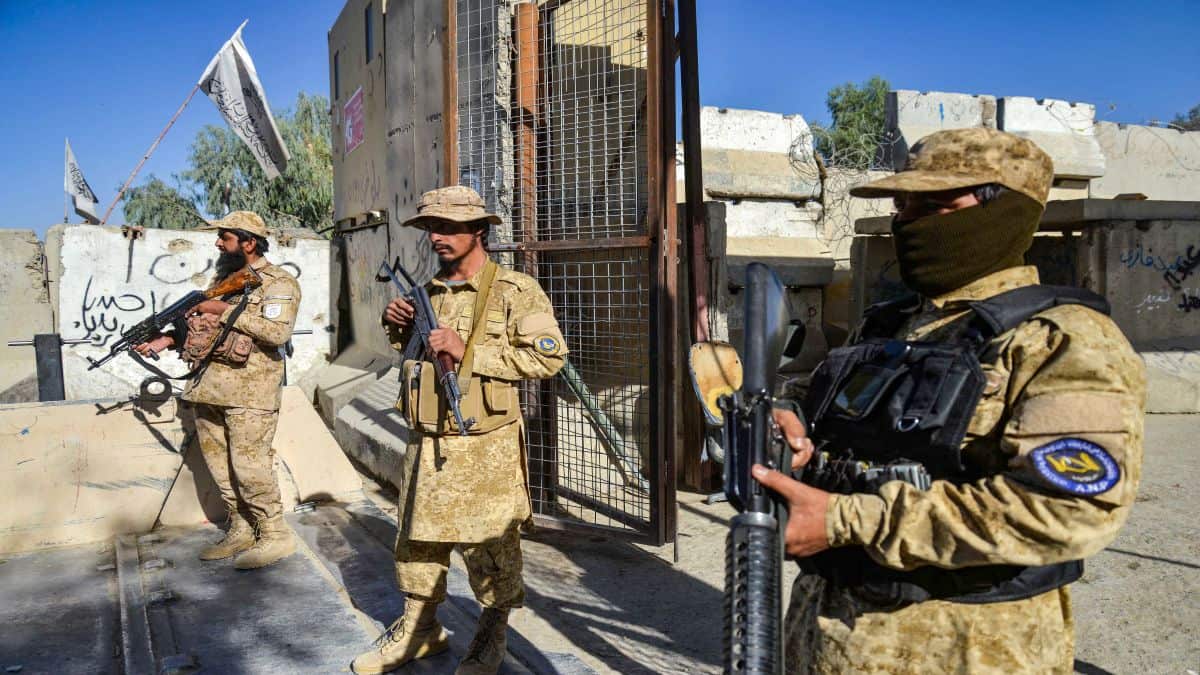
The geopolitical landscape of South Asia has shifted dramatically following intense military clashes between Pakistan and Afghanistan that erupted in early October 2025. The overnight border clashes resulted in dozens of fighters killed, representing the most serious fighting between the neighbours since the Taliban came to power in Kabul. This escalation marks a critical moment in Pakistan-Afghanistan relations, raising questions about regional stability and international involvement in South Asian affairs.
Background: Understanding Pakistan-Afghanistan Relations
Historical Context and Ongoing Tensions
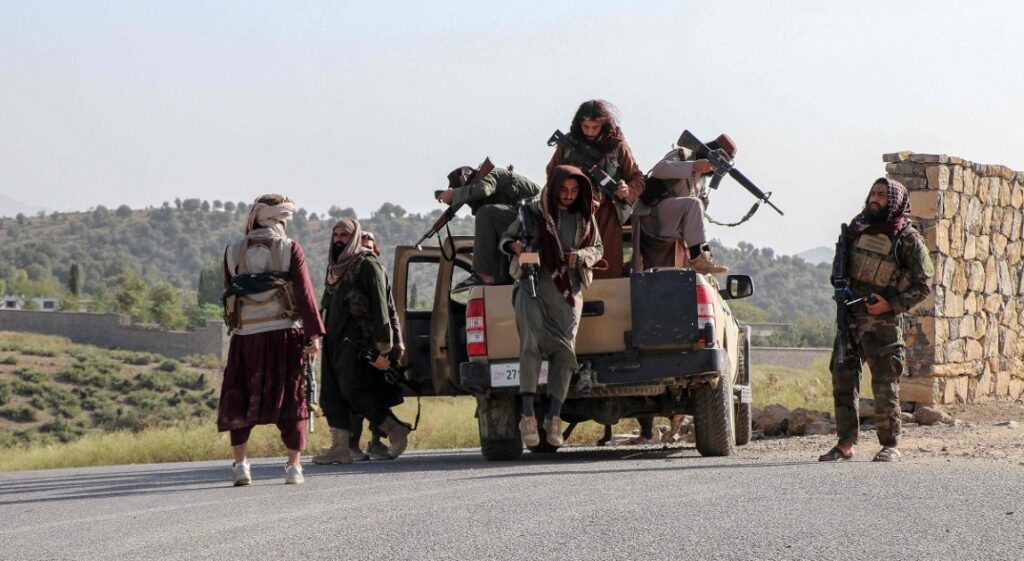
Pakistan and Afghanistan have maintained a complicated relationship for decades, characterized by periodic tensions along their shared 2,400-kilometer Durand Line border. The two nations have historically clashed over border disputes, refugee flows, and the activities of militant groups operating across their shared frontier. The relationship became particularly strained following the Taliban’s return to power in Afghanistan in August 2021, creating a complex dynamic that has continued to evolve.
The border region has long served as a haven for various militant organizations, including the Tehreek-i-Taliban Pakistan (TTP) and other armed groups. At least 2,546 people were killed in attacks in 2024, with attacks rising since the ouster of former Pakistani Prime Minister Imran Khan in April 2022. These statistics underscore the persistent security challenges faced by Pakistan in its border regions.
The Role of Militant Groups
The Tehreek-i-Taliban Pakistan has emerged as a significant factor in Pakistan-Afghanistan tensions. This militant organization has conducted numerous attacks across Pakistan, exploiting safe havens in Afghan territory. The presence of such groups near the border has repeatedly strained diplomatic relations between Islamabad and Kabul, with Pakistan frequently accusing Afghanistan’s Taliban government of harboring or failing to prevent militant operations.
The October 2025 Escalation: What Happened
Initial Airstrikes and Military Operations
In the early hours of October 9, 2025, Pakistan reportedly carried out airstrikes in Kabul, Khost, Jalalabad, and Paktika, targeting Noor Wali Mehsud, an internationally designated terrorist and head of the Tehreek-i-Taliban Pakistan, near Abdul Haq Square in Kabul. This marked the beginning of what would become the most serious military confrontation between the two nations in recent years.
The Pakistani airstrikes represented a significant escalation in military tactics, moving beyond traditional border skirmishes to direct strikes on targets within Afghan territory. Pakistan’s decision to conduct these operations reflected mounting frustration with the Taliban government’s inability or unwillingness to curtail TTP activities in Afghanistan.
Border Clashes and Heavy Fighting

Fighting between the two countries escalated with a gunfight in Khyber Pakhtunwa on October 9, 2025, continuing with airstrikes in Kabul on October 10 and fighting along the Durand Line escalating on October 11–12. Both sides reported dozens of fighters killed in the overnight border clashes on October 12, representing unprecedented casualties for a single engagement.
The intensity of the fighting was reflected in casualty figures reported by both nations. Pakistan claimed it killed 200 Afghan fighters while the Taliban claimed killing 58 Pakistani soldiers in overnight operations. While the exact casualty figures remain disputed, both claims indicate significant military engagement.
Strategic Military Responses
Pakistan reported that Afghan forces opened indiscriminate fire at Pakistani border posts with heavy weapons late on Saturday night, with security sources stating that Afghan forces also attempted to infiltrate into Pishin and Zhob districts, though the attempts were defeated by Pakistani forces. These details suggest coordinated military operations rather than isolated incidents.
Regional and International Implications
Impact on Regional Stability
The Afghan Taliban’s support for the Movement of the Taliban in Pakistan (TTP) is creating fissures between the two allies. This fundamental disagreement over the TTP threatens the broader stability of the South Asian region and undermines efforts to establish a coherent approach to counterterrorism in the area.
The escalation raises concerns about further military confrontations. Both nations possess military capabilities that could inflict substantial damage on each other, and the cycle of attacks and retaliations could potentially spiral into a larger conflict with regional consequences.
International Community’s Response
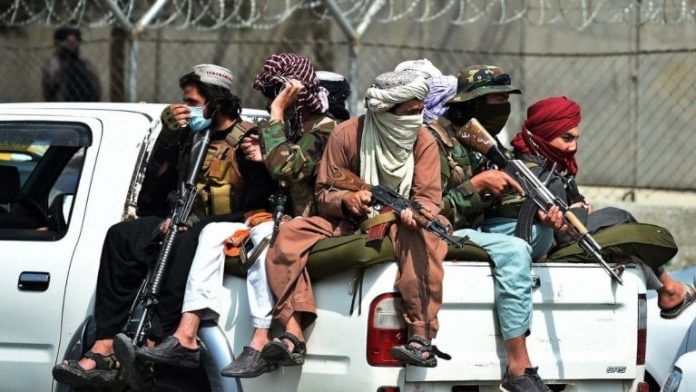
The international community, including major powers with strategic interests in South Asia, has closely monitored these developments. The conflict threatens regional economic corridors, refugee routes, and broader geopolitical stability. Foreign powers with historical involvement in Afghanistan, including the United States and other nations, are assessing how this conflict might affect their interests and strategic positions in the region.
Understanding the Underlying Causes
The TTP and Cross-Border Militant Activity
The Tehreek-i-Taliban Pakistan remains the primary flashpoint in Pakistan-Afghanistan relations. This organization has conducted numerous attacks throughout Pakistan, killing civilians and military personnel. Pakistan’s assertion that the Taliban government provides sanctuary or tolerates TTP operations has been a constant source of diplomatic friction.
The Taliban government’s relationship with the TTP is complex. While the Taliban initially promised to prevent militant groups from using Afghan territory, implementation has proved challenging. Some analysts suggest the Taliban may view the TTP as useful leverage against Pakistan, while others argue that the Taliban lacks full control over all territories within Afghanistan.
Economic and Strategic Pressures
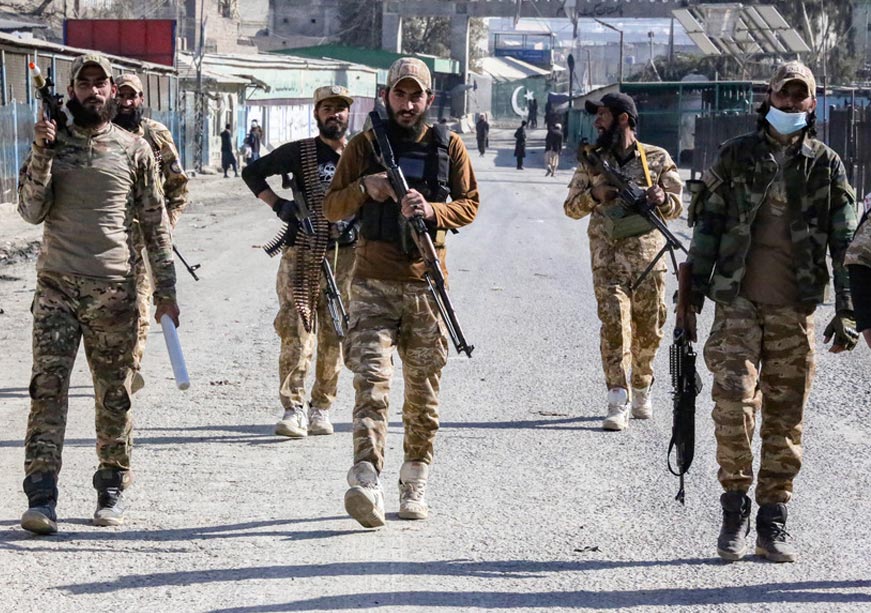
Both nations face significant domestic challenges that influence their foreign policy. Pakistan grapples with terrorism, economic difficulties, and internal political instability. Afghanistan faces international isolation, economic collapse, and the challenge of governing a complex, mountainous nation with competing power centers.
These domestic pressures can sometimes lead to external military actions as a means of consolidating power or demonstrating strength to domestic audiences. The border clashes may reflect not only genuine security concerns but also the political need for both governments to demonstrate resolve against external threats.
Looking Forward: Potential Developments and Resolutions
Prospects for De-escalation
The Afghan Taliban and the Pakistani military each heralded their operations as a success and claimed to have inflicted high casualties on the other’s forces. This pattern of mutual claims of victory suggests both sides may feel pressure to demonstrate strength, making immediate de-escalation challenging.
However, both nations maintain diplomatic channels and have historically managed to step back from the brink of larger conflict. International mediation from neighboring countries, regional organizations, or global powers could potentially facilitate negotiations aimed at reducing tensions.
Long-term Solutions
Addressing the Pakistan-Afghanistan conflict requires tackling its root causes. This includes establishing agreements on counterterrorism cooperation, demarcating and securing the border, addressing the TTP issue, and potentially creating economic incentives for cooperation. Such comprehensive solutions require sustained diplomatic engagement and political will from both sides.
Regional organizations like the Shanghai Cooperation Organization and bilateral partnerships with interested international actors could provide frameworks for dialogue and cooperation. Building trust between the Taliban government and Pakistan remains essential, as both nations share interests in regional stability and counterterrorism.
Conclusion
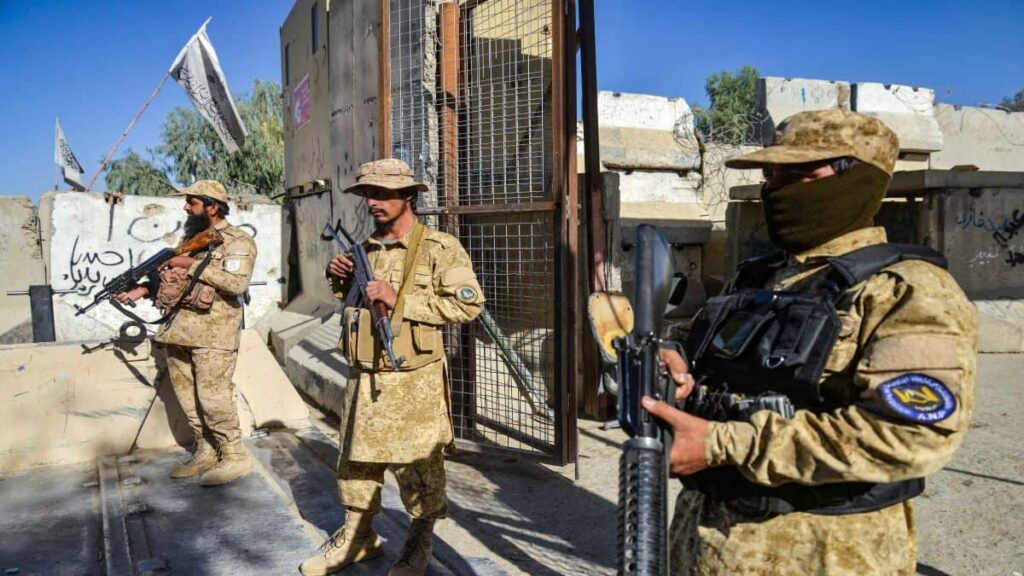
The October 2025 clashes between Pakistan and Afghanistan represent a critical juncture in their bilateral relationship. While the immediate military engagement has subsided, the underlying tensions remain unresolved. The Taliban government’s harboring of militants like Noor Wali Mehsud continues to trouble Pakistan, while Pakistan’s military operations inside Afghan territory raise sovereignty concerns in Kabul.
The international community watches closely as these two nations navigate their relationship, with implications extending across South Asia. Future developments depend on both sides’ willingness to engage in serious negotiations and address the legitimate security concerns of both nations. The path forward requires diplomatic maturity, mutual respect for sovereignty, and a genuine commitment to regional stability over short-term military advantages.
Related Content
For deeper insights into regional security issues, explore our coverage of international affairs. Explore our Economy section to understand how conflicts affect regional trade and development. Additionally, visit our Technology articles to learn about how nations use technology in security operations. You may also find it interesting to see our post on how governments shut down the internet, which is often employed during conflicts to control information flow.
For more comprehensive analysis of global events, learn more on our About Us page or get in touch via Contact Us with any inquiries about international news coverage.