Kenya joined African nations at the Africa Minerals Strategy Group roundtable in New York, pledging unity in mineral resource management and value addition.

Introduction
Kenya has reaffirmed its commitment to regional cooperation in mineral resource management after taking part in the Africa Minerals Strategy Group (AMSG) High-Level Roundtable on critical minerals development.
The meeting was held on the sidelines of the 80th United Nations General Assembly (UNGA) in New York, where African countries came together to forge a common voice on the future of mineral exploitation across the continent.
Background: Why Critical Minerals Matter
Critical minerals such as lithium, cobalt, graphite, and rare earths are increasingly vital in powering the global green transition, from electric vehicles to renewable energy technologies.

Africa holds some of the world’s largest untapped deposits of these minerals, yet many countries continue to export raw resources with little value addition. Analysts argue this trend denies Africa billions of dollars in revenue, jobs, and technological advancement.
The AMSG seeks to change this by pushing for continental strategies that prioritize value addition, data sovereignty, policy coherence, and innovation in the minerals sector.

Kenya’s Representation at the Roundtable
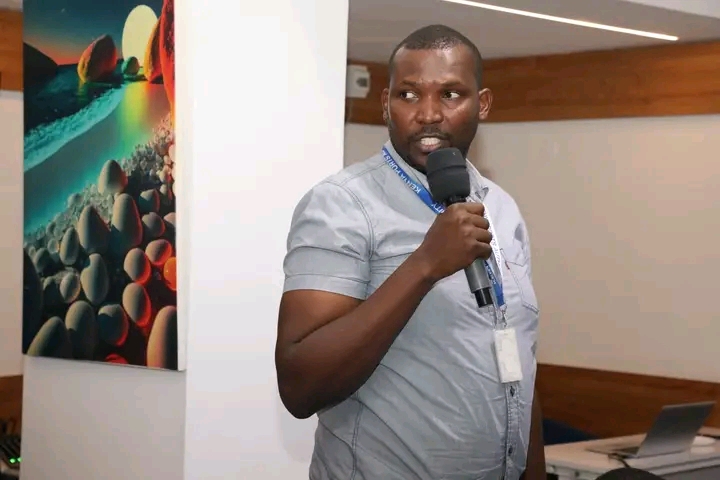
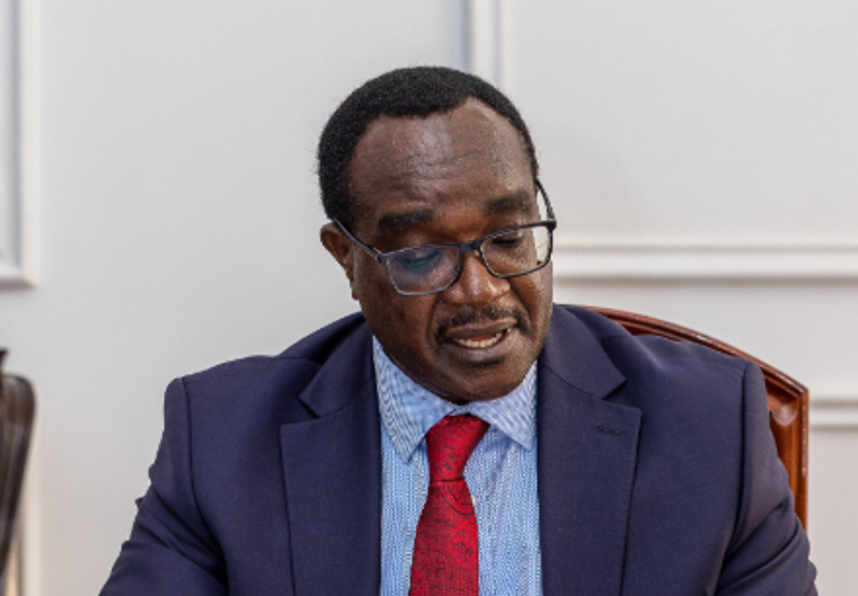
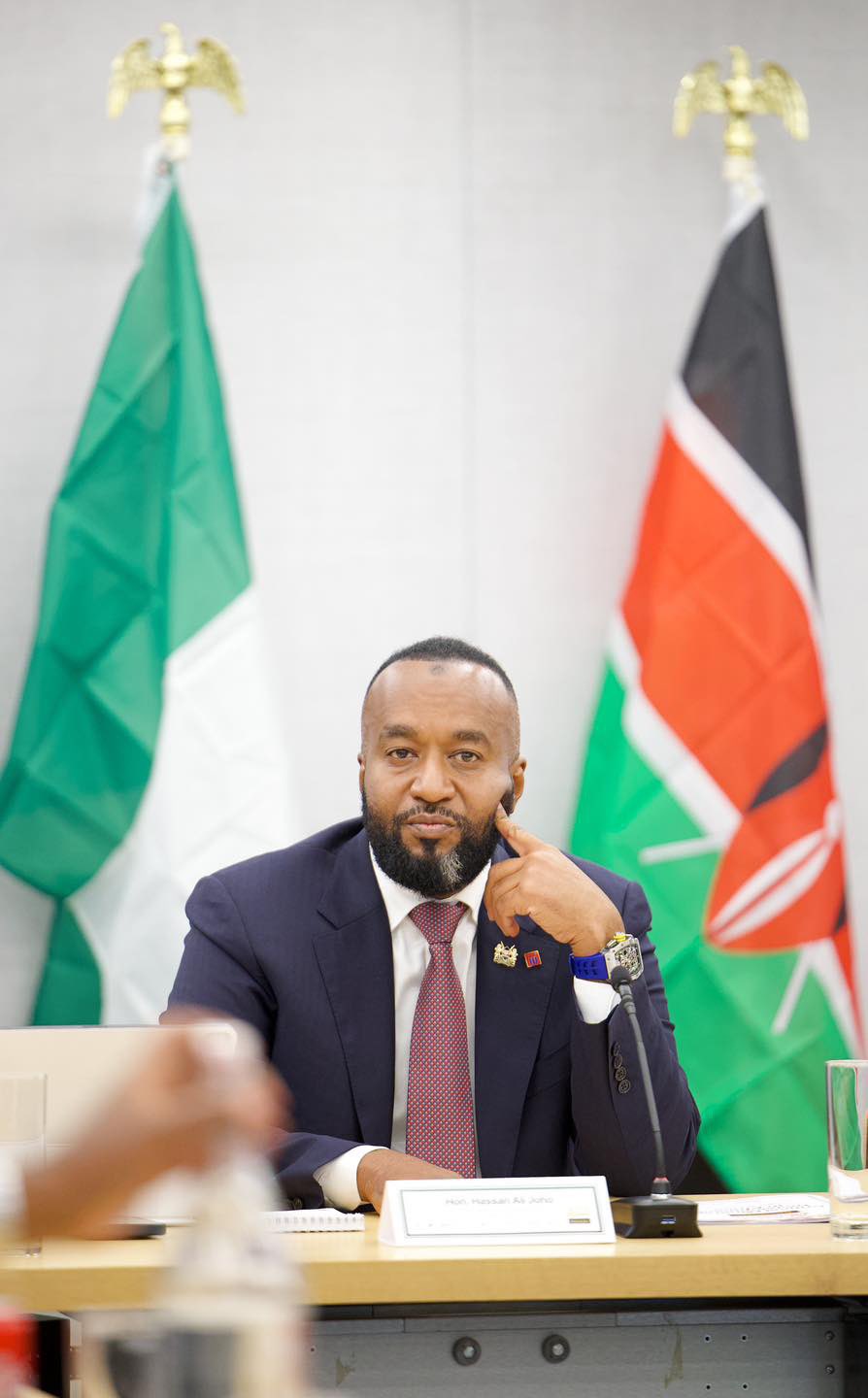
Kenya was represented by a senior government delegation led on behalf of President William Ruto. The team included the Principal Secretary for Mining, Harry Kimtai, and Hon. Suleiman Shahbal, a Member of the East African Legislative Assembly (EALA).
The delegation emphasized Kenya’s readiness to collaborate with other African nations in ensuring that mineral exploitation directly benefits African economies rather than fueling raw exports.
Key Resolutions from the Meeting
African leaders at the roundtable pledged to:
Adopt a common voice in global mineral negotiations.
Prioritize value addition within African economies before export.
Strengthen data sovereignty to ensure better resource mapping and control.
Promote policy coherence across countries to reduce duplication and competition.
Encourage innovation to increase competitiveness in the global minerals market.
These resolutions are expected to form the basis of a continental framework that will guide mineral development policies over the coming years.
Regional and Global Implications
Experts note that a united African strategy on critical minerals could reshape global supply chains. Currently, countries such as China and the United States dominate mineral processing and technology development.
By speaking with one voice, African nations could negotiate better terms, attract sustainable investments, and strengthen their bargaining power in international markets.
For Kenya, this presents an opportunity to expand its mining sector, create jobs, and position itself as a hub for mineral processing in East Africa.

The Way Forward
The AMSG meeting in New York marks only the beginning of what could be a transformative journey for Africa’s mineral wealth. Delegates agreed to fast-track the development of a coordinated strategy and to hold follow-up consultations in the coming months.
Kenya’s participation signals the government’s intent to champion policies that prioritize local beneficiation and sustainable resource management.
Conclusion
The Africa Minerals Strategy Group High-Level Roundtable has underlined the growing recognition that Africa must take charge of its mineral destiny. With Kenya actively involved, the push for value addition, innovation, and policy coherence could redefine how the continent benefits from its vast mineral resources in the years ahead.