New York, USA – Kenya has once again demonstrated its strong commitment to advancing Universal Health Coverage (UHC) and strengthening global healthcare systems during a high-level Presidential Side Event on the sidelines of the 80th United Nations General Assembly (UNGA) in New York.

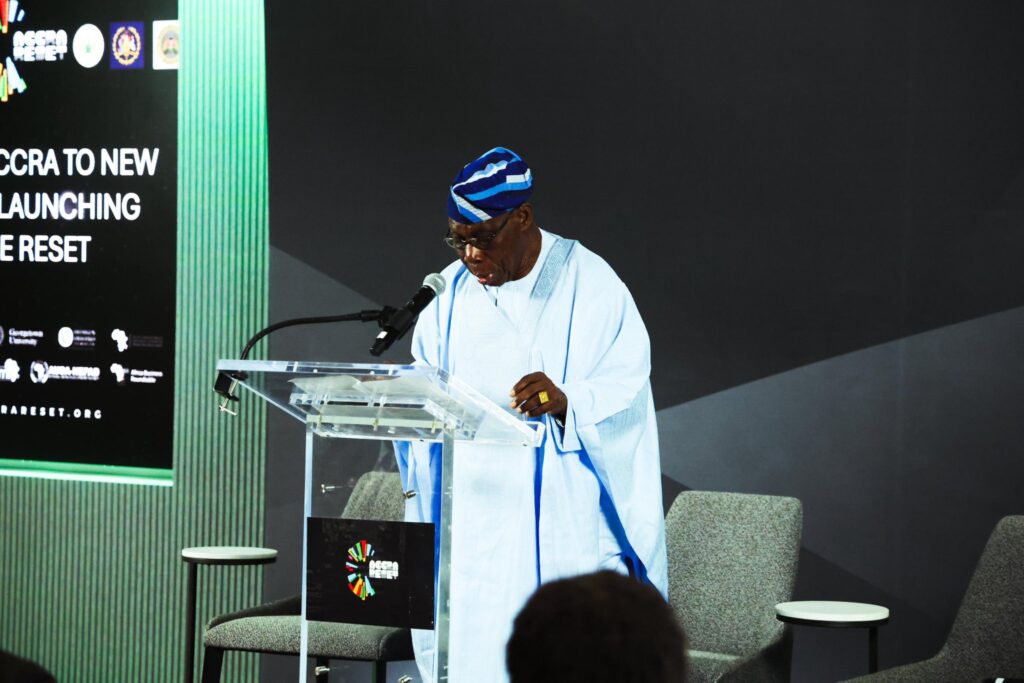
The meeting was hosted by Ghana’s President, H.E. John Dramani Mahama, and co-convened by former Nigerian President, H.E. Olusegun Obasanjo. It brought together presidents, prime ministers, senior policymakers, and international development leaders for wide-ranging discussions on pressing global health priorities.
Kenya’s voice on global health
Representing H.E. President William Ruto, Kenya’s delegation delivered a keynote address that underlined the country’s unwavering commitment to ensuring that every citizen has access to affordable, quality healthcare.
The statement emphasized that Universal Health Coverage remains one of Kenya’s most important national development priorities, anchored in the government’s Bottom-Up Economic Transformation Agenda. The address also underscored that health is not only a social good but also a key driver of economic resilience and sustainable development.

Kenya’s delegation further highlighted the transformative role of digitization in strengthening health systems. Digital platforms, it was noted, are helping streamline service delivery, improve transparency, and ensure equitable access to medical services, especially in rural and underserved communities.
Call for international cooperation
The speech went beyond national commitments to stress the urgent need for stronger international partnerships in tackling shared health challenges. From emerging pandemics and climate-related health risks to the increasing burden of non-communicable diseases, the address recognized that no country can single-handedly overcome today’s global health crises.
Kenya called for more coordinated investments, resource mobilization, and policy alignment to ensure that health goals set out in the United Nations Sustainable Development Agenda are achieved by 2030. The message reinforced Kenya’s belief that multilateral collaboration is the most effective way to build resilient health systems that leave no one behind.
Distinguished global participation
The Presidential Side Event attracted a distinguished panel of world leaders and global health advocates. Among those in attendance were:
H.E. Mia Amor Mottley, Prime Minister of Barbados
Dr. Ngozi Okonjo-Iweala, Director-General of the World Trade Organization (WTO)
Dr. Tedros Adhanom Ghebreyesus, Director-General of the World Health Organization (WHO)
Winnie Byanyima, Executive Director of UNAIDS

Rt. Hon. Gordon Brown, Former Prime Minister of the United Kingdom
The presence of these leaders reflected the forum’s importance as a platform for mobilizing collective action. Discussions centered on aligning national priorities with international health targets, mobilizing financing for healthcare, and building sustainable systems that can withstand global shocks such as pandemics and economic crises.
Universal Health Coverage as a shared priority
Speakers at the event consistently highlighted UHC as a shared priority across developing and developed nations alike. While the contexts may differ, the need for inclusive healthcare systems that serve both urban and rural populations was recognized as universal.
The World Health Organization’s Director-General, Dr. Tedros Adhanom Ghebreyesus, stressed that health is a fundamental human right and urged countries to scale up investments in primary healthcare. Winnie Byanyima of UNAIDS reminded the gathering that global solidarity is crucial to addressing inequities in healthcare access, particularly for vulnerable groups.
Kenya’s position aligned strongly with these perspectives, reiterating that UHC is not just a policy ambition but a moral obligation. The delegation emphasized that Kenya has already made significant progress, including the rollout of a comprehensive health financing model, expansion of community health programs, and integration of digital tools in healthcare delivery.
The role of digitization in healthcare
One of the key themes of Kenya’s intervention was the power of digitization to accelerate healthcare transformation. The delegation explained that Kenya is leveraging digital platforms to improve data collection, patient management, and supply chain efficiency.
For instance, the use of electronic medical records and mobile health solutions has improved patient follow-ups and reduced duplication in services. Technology is also enabling real-time monitoring of health outcomes, giving policymakers accurate data to guide resource allocation.
Kenya argued that such innovations not only reduce costs but also build transparency and accountability in healthcare systems. The experience of digitizing financial systems, such as mobile money platforms, was presented as evidence of how digital innovation can be successfully replicated in the health sector.
Global health challenges demand shared solutions
The discussions also touched on the complex global health landscape that requires coordinated responses. Leaders at the forum noted that the COVID-19 pandemic had revealed both the strengths and weaknesses of current health systems. While it spurred innovations in vaccine development and telemedicine, it also exposed inequities in access to healthcare and medical supplies.
Climate change was identified as another looming challenge, with its direct and indirect impacts on public health. From heat-related illnesses to the spread of vector-borne diseases, the forum underscored the need for health systems to adapt to changing environmental conditions.
Kenya highlighted that such challenges cannot be solved in isolation and urged stronger collaboration among governments, development partners, and the private sector. The country reaffirmed its commitment to working with regional and global institutions to ensure health priorities remain central to international cooperation frameworks.
Kenya’s leadership role in Africa
The event further reinforced Kenya’s growing role as a thought leader on health issues within Africa and beyond. The delegation pointed out that Kenya’s experiences in expanding access to essential healthcare services, coupled with ongoing reforms in financing and governance, position the country as a model for other nations striving toward UHC.
Kenya has been at the forefront of championing African solutions to global challenges, and health is no exception. The delegation called for stronger continental collaboration under the African Union framework to ensure that Africa speaks with one voice on matters of global health policy.
Looking ahead
As the 80th UNGA continues, the Presidential Side Event on health set the tone for further dialogue on how nations can collectively strengthen health systems. For Kenya, the event reaffirmed its readiness to collaborate with global partners, invest in health innovations, and put citizens at the center of healthcare reforms.
By anchoring UHC in its national development agenda and leveraging digital technology, Kenya is positioning itself not only to meet its domestic health goals but also to contribute meaningfully to global health security.https://x.com/HonAdenDuale/status/1970697621233705149?t=9c-T9WYcJ0EwfEgh8tNJ_g&s=19
The participation of world leaders and international organizations highlighted that health remains a global priority requiring sustained political will, financial resources, and innovative solutions. For Kenya, this moment was both a reaffirmation of progress made and a reminder of the work still ahead.