A Story of Transformation Along Nairobi’s Streets

In the heart of Nairobi, near the Railways Golf Club and directly opposite Green Park, a moving story of transformation unfolded this week. A man, widely known in the area as a Rasta, had been living for years along the road reserve. His makeshift shelter had also become an illegal dumping site, blending neglect, struggle, and hopelessness into one painful reality.
For years, many passed him by. Some even promised to help. Pastors, well-wishers, and strangers approached him with pledges of support but never fulfilled their words. According to him, some used his image and story to solicit donations, only to abandon him once the money changed hands. The betrayals deepened his pain, hardening his trust in society and leaving him feeling invisible, discarded, and without dignity.
Yet, this time, something different happened.
Choosing Action Over Empty Promises
Instead of words and broken pledges, compassion translated into action. He received brand new clothes, his first proper shower in many years, and a hot meal that rekindled his humanity. More importantly, he was promised continuity—not just a single act of charity, but a structured journey back into dignity.
Plans are already underway to help him take the next steps: fixing his hair, securing a rental house with three months of paid rent, and connecting him with a professional counselor. The counseling sessions will play a vital role in guiding his reintegration into society, addressing years of emotional scars left by neglect and rejection.

Additionally, the makeshift structure he had called home will soon be dismantled, and the illegal dumping site cleared. This act will not only restore dignity to the man himself but also contribute to the cleanliness and beauty of Nairobi city.
From Rejection to Dignity Restored
For years, society had labeled him “useless.” He had become a fixture of the streets, ignored and overlooked. But on this day, everything changed.
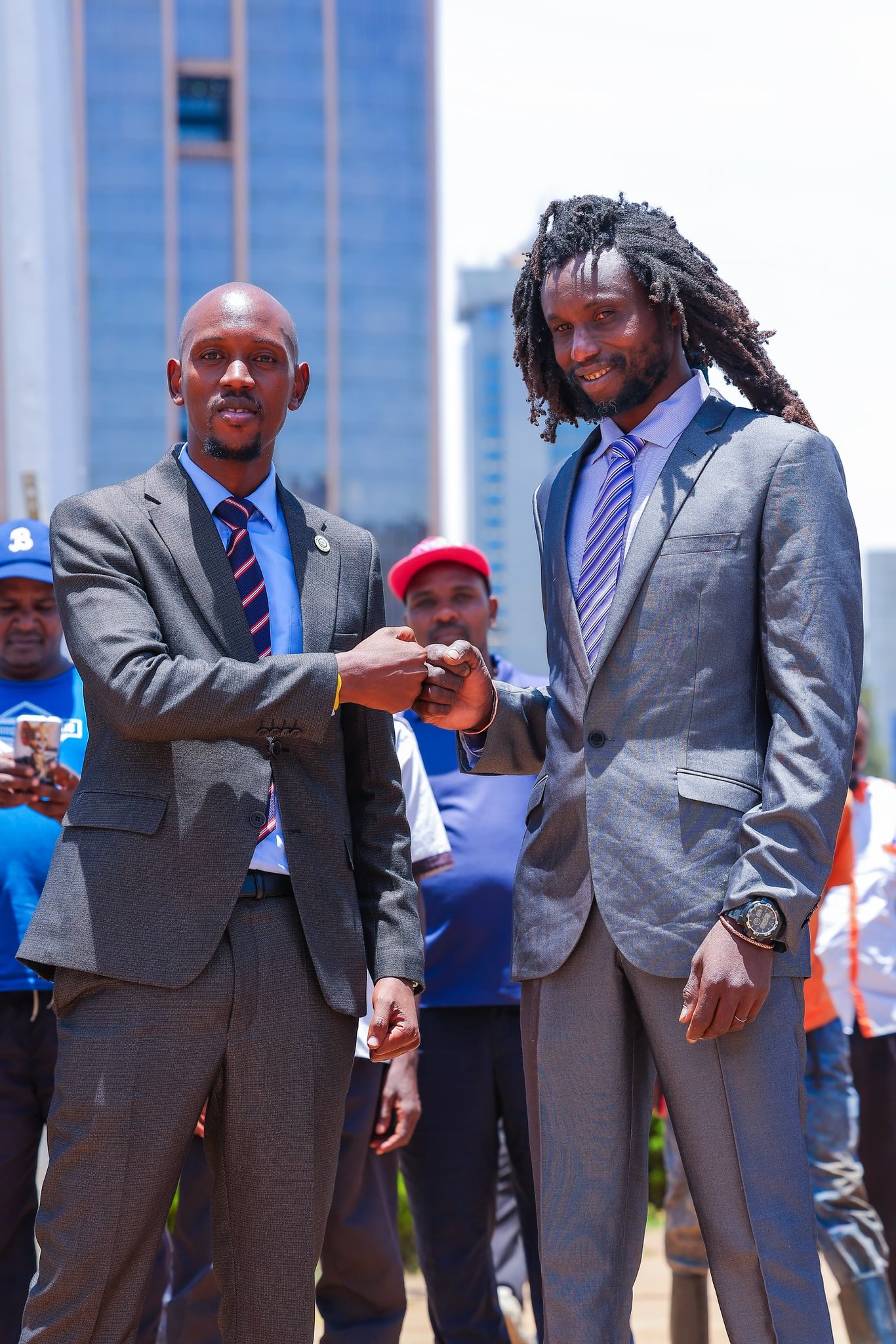
After receiving clothes, food, and a bath, he stood tall—handsome, dignified, and human again. He looked no different from the rest of us. His transformation was not just physical; it was a moment of profound restoration.
This single story serves as a reminder that people living on the streets are not defined by their circumstances. Behind every neglected figure is a human being with dreams, dignity, and potential waiting to be rediscovered.
The Power of Compassion and Commitment
This rescue sheds light on an important truth: it does not take immense wealth to change a life. What is required is compassion, commitment, and the courage to act. A set of clothes, a warm meal, a rented room, and professional counseling may not seem like much—but for someone who has lived years in neglect, it is the beginning of a brand-new chapter.
The rescued man’s story teaches us that neglect only deepens hopelessness, but a small act of kindness can reignite belief in humanity. When compassion is paired with practical action, lives can be rebuilt and communities transformed.
Looking Beyond One Man
This story is not just about one Rasta man. It reflects a broader reality in Nairobi and other cities across Kenya. Thousands live in similar circumstances—on the streets, in abandoned corners, or under makeshift shelters. They are often dismissed as “lost causes,” when in truth, they are victims of unfortunate circumstances such as unemployment, family breakdowns, substance abuse, or mental health struggles.
Every person on the streets has a story. Some are highly educated individuals whose lives spiraled out of control due to tragedy. Others are youth who grew up without stable family support. Some are men and women battling addiction or untreated mental health challenges. Yet, regardless of how they got there, they remain members of society deserving of dignity and opportunities to rebuild.
Restoring Hope, One Life at a Time
This rescue demonstrates that no one is too far gone to be helped. By paying three months’ rent and connecting him to counseling services, the initiative has gone beyond short-term relief. It has set a foundation for sustainable change.
Once his hair is fixed and he begins therapy, the hope is that he will secure a fresh start—a new home, a new outlook, and perhaps even a chance to find meaningful work. He will not just be removed from the streets but reintegrated into society as a dignified citizen.
The ripple effect of this transformation extends beyond him. His story challenges others to reflect: how many more can be saved if we act rather than ignore? How many more can rediscover their dignity if we combine compassion with action?
A Call to Society: Let Us Not Look Away
The biggest lesson from this story is simple yet powerful: people living in hardship do not belong on the streets. They belong in homes, families, and communities. They belong in spaces where they are seen, valued, and respected.
This experience calls on all of us—citizens, community leaders, faith groups, and government institutions—to look beyond stereotypes and labels. Those struggling on the streets are not “lesser” humans. They are special too, only burdened by circumstances beyond their control.
If each of us takes one step to reach out, to restore a life, and to give hope, then together we can build a society where no one is left behind.
Building a City of Compassion
The rescue of the Rasta man near Railways Golf Club is more than an isolated act of kindness. It is a vision of what our society could look like: compassionate, inclusive, and restorative.
It is also a reminder that Nairobi, like all growing cities, is not just about tall buildings and highways. True progress lies in how we treat the most vulnerable among us. Clearing makeshift shelters and restoring dignity is not just about beautifying the city—it is about valuing human lives.

Conclusion
The journey of this rescued man is a story of pain, betrayal, resilience, and ultimate joy. It highlights the deep wounds caused by neglect but also celebrates the transformative power of compassion and action.
He stood tall again—dignified, handsome, and human. And through his story, society is reminded that hope can be restored, lives can be rebuilt, and dignity can be returned.
Let us not look down on those who struggle in the streets. Instead, let us extend a hand. Because it does not take much money to change a life—it takes compassion, commitment, and the courage to act.