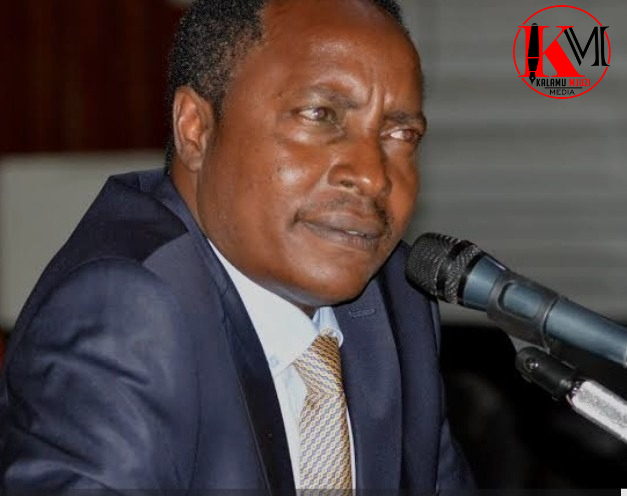
Summary
Newton Munene, the former Information and Communication Technology Chief Executive Committee (CEC) member of Nairobi County, has been found dead at his residence in Karen under circumstances that remain unclear. The discovery has sent shockwaves through Kenya’s political landscape, particularly given Munene’s significant role as a key witness in the ongoing corruption case involving former Nairobi Governor Mike Sonko. His body has been transferred to Lee Funeral Home pending further investigations and autopsy procedures.
The Discovery and Initial Response
Body Found at Karen Residence
Newton Munene’s lifeless body was discovered at his home in the affluent Karen neighborhood of Nairobi, triggering an immediate response from local authorities. The circumstances surrounding his death remain unclear at this stage, with investigations still ongoing. His body was subsequently moved to Lee Funeral Home, where it awaits examination and autopsy to determine the exact cause of death.
The discovery has raised significant questions within political and judicial circles, given Munene’s prominence in recent high-profile proceedings. Authorities have not yet released an official statement regarding the preliminary findings or circumstances of his death, and the investigation remains active.
Newton Munene’s Role in the Mike Sonko Case
A Key Witness in Corruption Allegations
Newton Munene held a crucial position as one of three key witnesses in the corruption case against Mike Sonko, the former Nairobi County Governor. His testimony was particularly significant, as he provided evidence and statements regarding allegations of corruption that had previously affected Sonko’s political standing. Last week, Munene testified in court, offering critical insights into the circumstances surrounding the corruption accusations.
During his testimony, Munene alleged that officials from the previous administration had wrongly accused Mike Sonko of corruption. These allegations eventually contributed to Sonko’s impeachment from his position as Nairobi Governor. His firsthand account as a government official from the same period provided valuable perspective on the events in question, making him an indispensable figure in the legal proceedings.
Significance of His Testimony
Munene’s role as a witness was particularly important because of his administrative position during the relevant period. As the ICT CEC of Nairobi County, he had direct knowledge of governmental operations and decisions. His testimony challenging the narrative of corruption against Sonko added considerable weight to the defense case and raised questions about the motivations and accuracy of the original accusations.
The timing of his death, coming shortly after providing testimony, has naturally raised concerns and speculation among observers. However, authorities have emphasized that investigations are necessary before drawing any conclusions about the circumstances.
Background on Newton Munene’s Career
Service in Nairobi County Government
Newton Munene served as the Chief Executive Committee member responsible for Information and Communication Technology in Nairobi County Government. His tenure saw him involved in various technological initiatives aimed at modernizing the county’s operations. As an ICT specialist in government, Munene was responsible for overseeing digital infrastructure, technology policy, and innovation projects within the county administration.
His position placed him at the intersection of technology and governance, making him a notable figure in discussions about digital transformation in Kenya’s devolved government system. Colleagues and associates have described him as a dedicated public servant committed to improving governmental efficiency through technological advancement.
Previous Administrative Experience
Before his role as ICT CEC, Munene had accumulated substantial experience in both the public and private sectors. His background in technology and administration provided him with the expertise necessary to navigate the complex challenges of implementing ICT solutions in government settings. His career trajectory reflected a commitment to public service and technological innovation.
The Mike Sonko Corruption Case: Context and Development
Timeline of Events Leading to Impeachment
Mike Sonko served as the Governor of Nairobi County following his election. His tenure was marked by various administrative challenges and legal difficulties. In 2020, corruption allegations emerged against him, leading to formal investigations and legal proceedings. These allegations eventually resulted in his impeachment from office, with the process involving multiple stages of inquiry and testimony.
The corruption case against Sonko became a significant political event in Kenya, drawing attention to issues of governance, accountability, and the judicial process. The case involved numerous witnesses and extensive documentation of alleged corrupt practices within the county administration during Sonko’s tenure.
The Role of Previous Administration Officials
Recent developments in the case have focused on questions about whether previous administrators had legitimate grounds for the corruption accusations against Sonko, or whether political motivations played a role. Newton Munene’s testimony addressing these questions has provided a new dimension to the proceedings. His assertions that officials from the previous administration had wrongly accused Sonko represent a significant challenge to the original accusations.
This aspect of the case raises broader questions about political accountability, the use of legal mechanisms for political purposes, and the reliability of corruption accusations in the Kenyan political landscape. The case has attracted attention from civil society organizations, legal experts, and political observers concerned with issues of governance and justice.
Implications and Reactions
Concerns Within Political and Legal Circles
The death of Newton Munene has raised concerns within Kenya’s political and legal communities. Observers have noted the sensitivity of the timing, given his recent testimony in a high-profile case. While authorities have not suggested any foul play, the incident has prompted discussions about witness protection, judicial safety, and the pressures faced by individuals involved in significant legal proceedings.
Legal experts have emphasized the importance of thorough investigation to determine the cause of death and to address any concerns about the circumstances. Civil society organizations have called for a transparent inquiry into the matter to maintain public confidence in the judicial process.
Government Response
Government officials have called for calm and urged the public to await the results of investigations before drawing conclusions. Authorities have committed to conducting a thorough and impartial inquiry into Munene’s death. The Nairobi County Government and national authorities have acknowledged the significance of the matter given Munene’s role in the Sonko case.
Officials have emphasized that investigations will determine whether the death was from natural causes, accident, or other circumstances. They have committed to maintaining transparency throughout the process and to providing updates as investigations progress.
Questions Raised by the Incident
Witness Safety and Protection
The incident has prompted broader discussions about witness safety in high-profile cases. Kenya’s judicial system has faced ongoing challenges in protecting witnesses involved in significant criminal proceedings. The death of a key witness in a major corruption case, regardless of circumstances, raises questions about systemic vulnerabilities in witness protection mechanisms.
Legal experts and civil society organizations have called for enhanced protections for individuals involved in significant judicial proceedings. This includes both formal legal protections and practical security measures to ensure the safety of witnesses, defendants, and other participants in the justice system.
The Integrity of the Sonko Case
The death of Munene has also raised questions about the future trajectory of the corruption case against Mike Sonko. As one of three key witnesses, his testimony was significant to the proceedings. Legal experts have noted that while his testimony has been recorded, the loss of a witness can impact the depth and scope of ongoing inquiries and potential appeals.
The case may proceed with existing evidence and testimony, but the death of a key witness represents a loss to the completeness of the judicial record. This has prompted calls for enhanced documentation and preservation of evidence in significant cases to ensure that legal proceedings can continue effectively even if witnesses become unavailable.
Investigating the Circumstances
Autopsy and Forensic Examination
Lee Funeral Home has indicated that procedures are underway to determine the cause of death. An autopsy will provide medical and scientific evidence regarding the circumstances surrounding Munene’s death. Preliminary findings from forensic examination will be crucial in establishing whether the death resulted from natural causes, accident, or other factors.
The autopsy results are expected within days, pending the completion of necessary procedures. These results will be provided to relevant authorities and will inform the official investigation into the circumstances of Munene’s death.
Official Investigation Process
Kenyan law enforcement authorities have launched formal investigations into the matter. Investigators will examine all available evidence, including medical findings, circumstances of discovery, and any relevant documentation. They will interview family members, associates, and others with knowledge of Munene’s recent activities and health status.
The investigation will follow standard protocols for cases involving unexpected death. Authorities have committed to conducting a thorough and impartial inquiry and to maintaining transparency regarding their findings.
The Broader Context: Corruption and Accountability in Kenya
Addressing Corruption in Devolved Government
The Sonko case and Newton Munene’s role in it reflect ongoing efforts to address corruption within Kenya’s devolved government system. Since the implementation of devolution in 2013, county governments have faced challenges related to financial management, accountability, and corruption prevention. High-profile cases like that of Mike Sonko have highlighted the need for stronger institutions and more effective oversight mechanisms.
For more information on governance and economic issues in Kenya, explore our Economy section. Additionally, you might find our article on How M-PESA Transformed Kenya’s Economy relevant to understanding Kenya’s institutional development.
Institutional Reforms and Witness Protection
The death of Newton Munene, occurring in the context of a significant legal case, underscores the importance of institutional reforms aimed at strengthening Kenya’s judicial system and protecting those involved in legal proceedings. This includes enhanced witness protection programs, improved security protocols, and stronger mechanisms for ensuring the integrity of the judicial process.
Policymakers, judicial officials, and civil society organizations have engaged in ongoing discussions about necessary reforms. These discussions focus on how to improve the effectiveness of Kenya’s justice system while protecting the safety and rights of all participants in judicial proceedings.
Conclusion and Future Developments
The death of Newton Munene represents a significant development in Kenya’s political and legal landscape. As a key witness in the corruption case against former Nairobi Governor Mike Sonko, his testimony had challenged the narrative surrounding corruption allegations and raised important questions about governmental accountability. His death has prompted immediate investigations and broader discussions about witness safety and the integrity of Kenya’s judicial processes.
Authorities continue their investigation to determine the exact circumstances of Munene’s death. Results from autopsy and forensic examination are pending and will provide crucial information to investigators. While speculation has naturally arisen given the timing and circumstances, officials have emphasized the importance of allowing investigations to proceed before drawing conclusions.
The incident highlights ongoing challenges facing Kenya’s political and judicial systems, including questions about accountability, corruption prevention, and the protection of individuals involved in significant legal proceedings. As Kenya continues efforts to strengthen institutions and address corruption, the lessons from this case and the broader Sonko corruption investigation will likely inform future policy discussions and institutional reforms.
For ongoing updates on developments in this case and other news from Kenya, return to our latest posts. You can also learn more about our coverage on our About Us page or get in touch via our Contact Us page.
This article will be updated as further information becomes available regarding investigations into Newton Munene’s death and developments in the Mike Sonko corruption case.