Introduction
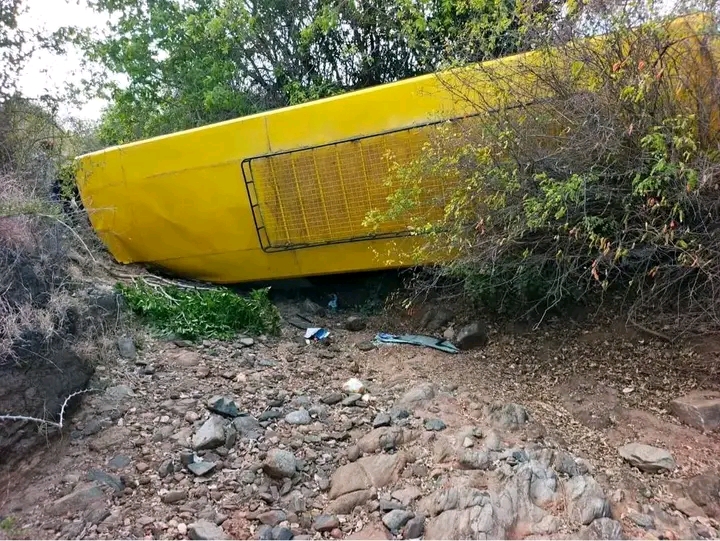
School bus accidents continue to pose a significant threat to student safety across Kenya, with multiple incidents reported annually involving injuries and fatalities among school children. Recent patterns show that inadequate vehicle maintenance, poor road conditions, and insufficient safety regulations contribute to these preventable tragedies. The need for comprehensive reform in school transportation systems has become increasingly urgent as educational institutions struggle to ensure safe passage for thousands of students daily.

Current State of School Transportation in Kenya
Rising Accident Statistics
Kenya’s school transportation sector faces mounting challenges as enrollment rates increase while safety infrastructure lags behind. Government statistics indicate that school-related transport accidents have shown concerning trends over recent years, with rural areas particularly affected due to challenging terrain and limited emergency response capabilities.
Educational institutions across the country rely heavily on various forms of transportation to serve students from distant communities. Many schools operate their own bus fleets, while others contract private operators who may not always meet stringent safety standards.
The Kenya National Bureau of Statistics reports that transportation accidents involving school children often occur during peak travel times, typically in the morning and evening hours when visibility and road conditions present additional challenges.
Infrastructure and Vehicle Conditions
Many school buses operating in Kenya face maintenance challenges due to budget constraints and limited access to quality repair services. Rural schools particularly struggle with aging vehicle fleets that may not undergo regular safety inspections.
Road infrastructure remains a critical factor, with many schools located along poorly maintained routes that increase accident risks. During rainy seasons, road conditions deteriorate significantly, creating hazardous driving conditions that put student safety at risk.
The National Transport and Safety Authority (NTSA) has documented various safety violations among school transport operators, including overloading, inadequate emergency equipment, and drivers operating without proper licenses.
Key Safety Challenges in School Transportation

Driver Training and Certification
Professional driver training specifically for school transport remains inconsistent across different regions. Many drivers lack specialized training in student safety protocols, emergency procedures, and defensive driving techniques necessary for safely transporting children.
Age requirements and background checks for school bus drivers vary significantly between institutions. Some schools employ drivers without comprehensive vetting processes, potentially compromising student safety.
Ongoing professional development and safety refresher courses are rarely mandated, leaving drivers without updated knowledge of safety regulations and emergency response procedures.
Vehicle Safety Standards
Current regulations governing school bus safety standards need strengthening to address modern safety requirements. Many vehicles lack essential safety features such as seat belts, emergency exits, and communication equipment.
Regular safety inspections are not uniformly enforced across all regions, allowing potentially dangerous vehicles to remain in service. This inconsistency creates varying levels of safety depending on location and school resources.
Emergency response equipment, including first aid kits and communication devices, is often absent or inadequately maintained in school transport vehicles.
Regional Variations in Safety Measures
Urban vs Rural Disparities
Urban schools typically have better access to well-maintained vehicles and qualified drivers, while rural institutions face significant resource constraints. This disparity creates unequal safety standards across different educational environments.
Emergency response times vary dramatically between urban and rural areas, with remote schools facing longer delays in accessing medical assistance following accidents. This geographic disadvantage amplifies the consequences of transportation incidents.
Infrastructure quality differs substantially, with urban areas generally offering better road conditions and traffic management systems compared to rural regions.
Resource Allocation Challenges
Budget limitations force many schools to prioritize immediate educational needs over transportation safety investments. This financial pressure often results in delayed vehicle maintenance and inadequate safety equipment.
Government funding for school transportation safety initiatives remains insufficient to address widespread infrastructure and equipment needs. Private schools may have better resources but lack standardized safety requirements.
Community involvement in transportation safety varies significantly, with some areas showing strong parent engagement while others lack organized safety advocacy.
Government Initiatives and Regulatory Framework
Current Safety Regulations
The Ministry of Education has established basic guidelines for school transportation, but enforcement mechanisms remain inadequate. Existing regulations often lack specific requirements for safety equipment and driver qualifications.
NTSA continues to develop comprehensive safety standards, but implementation faces challenges due to resource constraints and varying compliance levels across institutions.
Recent policy discussions have focused on mandatory safety inspections and standardized driver training programs, though concrete implementation timelines remain unclear.
Enforcement Challenges
Limited inspection personnel and resources hinder effective enforcement of existing safety regulations. Many schools operate transport services without regular oversight, creating potential safety gaps.
Penalty structures for safety violations may not provide sufficient deterrence, allowing non-compliant operators to continue unsafe practices. Strengthening enforcement mechanisms requires additional investment in regulatory infrastructure.
Coordination between different government agencies responsible for transportation safety needs improvement to ensure comprehensive oversight and consistent standards.
Best Practices and Recommendations
Comprehensive Safety Programs
Successful school transportation safety programs incorporate regular vehicle maintenance schedules, professional driver training, and emergency response protocols. These integrated approaches have shown positive results in reducing accident rates.
Student safety education programs help children understand proper bus behavior and emergency procedures. Schools implementing comprehensive safety curricula report improved student awareness and reduced incident rates.
Parent engagement initiatives create additional safety oversight and support for transportation programs. Community involvement strengthens safety culture and provides valuable feedback for improvement.
Technology Solutions
Modern safety technologies, including GPS tracking and communication systems, offer valuable tools for monitoring school transport operations. These technologies can provide real-time location data and emergency communication capabilities.
Vehicle safety features such as speed limiters and automatic braking systems could significantly reduce accident risks. While implementation costs may be substantial, long-term safety benefits justify these investments.
Digital maintenance tracking systems help ensure regular vehicle inspections and prompt repairs. Technology-assisted maintenance management reduces the risk of mechanical failures contributing to accidents.
Looking Forward: Future Developments
Policy Reform Initiatives
Government officials continue discussing comprehensive transportation safety reforms, including standardized safety requirements and enhanced enforcement mechanisms. These policy developments may lead to significant improvements in student safety.
Collaboration between education and transportation authorities aims to create integrated safety frameworks addressing multiple aspects of school transport operations. Interagency cooperation could strengthen overall safety oversight.
International best practices in school transportation safety offer valuable insights for developing improved local standards. Adapting successful models from other countries could accelerate safety improvements in Kenya.
Investment Priorities
Infrastructure development projects focusing on school access routes could significantly improve transportation safety conditions. Strategic road improvements near educational institutions would benefit entire communities.
Professional development programs for school transport personnel require sustained investment and support. Training initiatives targeting drivers, safety officers, and school administrators could enhance overall safety culture.
Public-private partnerships may provide innovative solutions for improving school transportation safety while managing costs effectively. Collaborative approaches could leverage resources from multiple stakeholders.
Conclusion
School bus safety in Kenya requires immediate attention and comprehensive reform to protect the thousands of students who depend on transportation services daily. While challenges are significant, coordinated efforts involving government agencies, educational institutions, and communities can create meaningful improvements in student safety.
The path forward demands sustained commitment to safety standards, adequate funding for infrastructure and equipment, and ongoing professional development for transportation personnel. With proper implementation of safety measures and continued vigilance, Kenya can significantly reduce school transportation accidents and ensure safe passage for all students.
Success in improving school bus safety will require collective action from all stakeholders, including policymakers, school administrators, parents, and communities. Only through comprehensive and sustained efforts can Kenya achieve the goal of safe, reliable school transportation for every child.