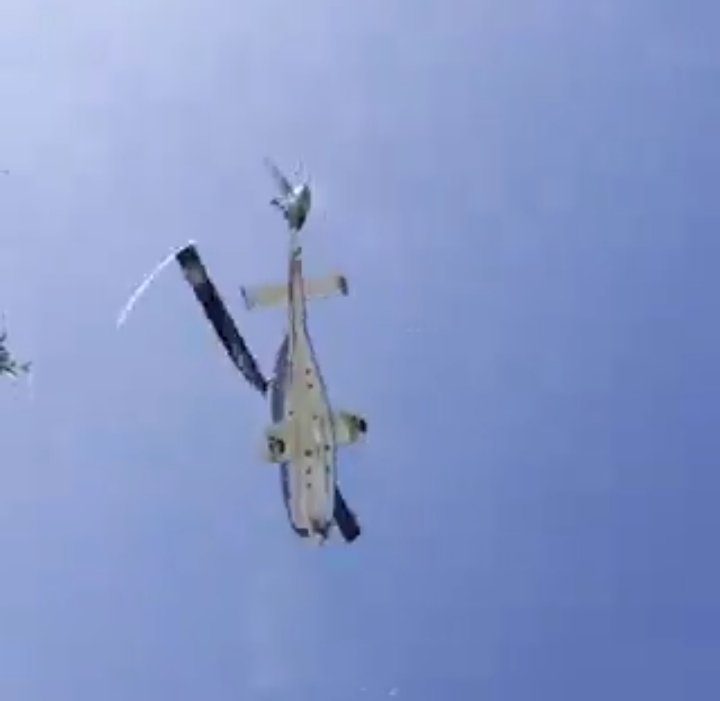
A catastrophic tornado tore through the town of Rio Bonito do Iguaçu in Paraná state, Brazil, on Friday evening, November 7, 2025, leaving at least six people dead and injuring more than 400 others. The powerful storm, classified as an F3 category tornado with winds reaching 250 km/h (155 mph), destroyed approximately 90% of buildings in the municipality, prompting state authorities to declare a public calamity. This unprecedented natural disaster marks one of the most destructive weather events in the history of Paraná state.
Overview of the Tornado Disaster
The tornado struck Rio Bonito do Iguaçu, a town of approximately 14,000 residents located in southwestern Paraná, during the evening hours on Friday. The sudden and violent nature of the storm caught many residents off guard, resulting in widespread destruction across the community. Emergency response teams were immediately dispatched to the affected area as the scale of the devastation became apparent.
Meteorological authorities have confirmed that the tornado reached F3 intensity on the Fujita scale, indicating wind speeds between 218 and 266 km/h. Such powerful tornadoes are capable of causing severe damage to well-constructed buildings, overturning trains, and tossing vehicles considerable distances. The impact on Rio Bonito do Iguaçu was consistent with these expectations, with entire neighborhoods left in ruins.
Casualties and Medical Response

The human toll of this disaster continues to emerge as rescue operations progress. Current reports confirm at least six fatalities, though authorities caution that this number may rise as search and rescue teams continue their work through damaged structures. The tornado’s path of destruction left little time for residents to seek adequate shelter, contributing to the high casualty count.
Medical facilities in the region have been overwhelmed by the number of injured residents. At least 437 people received medical attention in the immediate aftermath of the storm, with injuries ranging from minor cuts and bruises to life-threatening trauma. Ten individuals required surgical intervention, and nine remain in serious condition as of the latest reports. Local hospitals have called for additional medical personnel and supplies to cope with the ongoing emergency.
Regional medical centers in neighboring municipalities have mobilized to support the overwhelmed local healthcare system. Ambulances and medical helicopters have been transporting the most severely injured patients to larger facilities equipped to handle complex trauma cases.
Extent of Physical Damage
The destruction in Rio Bonito do Iguaçu is nearly total, with preliminary assessments indicating that approximately 90% of residential and commercial buildings sustained significant damage or complete destruction. This level of devastation is extraordinary even by tornado standards, leaving the majority of the town’s population without adequate shelter.
Critical infrastructure has been severely compromised. Grain silos, essential to the agricultural economy of the region, collapsed under the force of the winds. Gas stations were destroyed, creating potential hazards and complicating fuel supply for emergency vehicles. Power lines were downed across wide areas, leaving thousands without electricity. Water and sewage systems have also been affected, raising concerns about public health in the coming days.
The tornado’s path carved a visible scar through the landscape, with debris scattered across fields and roadways. Vehicles were overturned and tossed, while trees were uprooted or snapped like twigs. Photographs from the scene show entire blocks reduced to rubble, with only foundations remaining where homes once stood.
Government Response and State of Emergency
Recognizing the severity of the disaster, Paraná state Governor Ratinho Júnior declared a state of public calamity on Saturday, November 8, 2025. This official declaration enables state authorities to mobilize emergency resources more effectively and request federal assistance without the usual bureaucratic delays. The governor visited the affected area personally to assess the damage and coordinate the response effort.
Governor Ratinho Júnior characterized the event as an “unprecedented catastrophe in the history of the state of Paraná,” emphasizing the scale of destruction and the long recovery road ahead. State agencies have been directed to prioritize emergency shelter, food, water, and medical care for displaced residents.
The state government is working to establish temporary shelters for residents who lost their homes. Schools, community centers, and other public buildings in nearby municipalities are being prepared to house evacuees. Emergency supplies including food, water, blankets, and hygiene kits are being distributed to affected families.
Brazilian President Luiz Inácio Lula da Silva has pledged federal support for the recovery effort. Federal emergency management agencies are coordinating with state authorities to provide additional resources, including funding for reconstruction, emergency personnel, and equipment for debris removal and search operations.
Meteorological Context and Weather Warnings

The tornado that devastated Rio Bonito do Iguaçu formed in association with a strong cold front and an extratropical cyclone affecting southern Brazil. These weather systems create the atmospheric instability necessary for severe thunderstorms and tornado formation. While tornadoes are not uncommon in southern Brazil during spring and summer months, an event of this magnitude is rare.
Meteorological services had issued warnings about severe weather in the region, but the specific location and intensity of tornado formation remained difficult to predict with precision. The rapid development of the supercell thunderstorm that spawned the tornado provided limited time for residents to seek shelter.
Weather authorities continue to monitor the progression of the weather system, warning that additional severe weather may affect other Brazilian states through the weekend. Rio Grande do Sul, Santa Catarina, São Paulo, Rio de Janeiro, and Espírito Santo are all under various levels of weather alerts as the cold front moves northward along the coast.
Residents in these states are being advised to stay informed about weather conditions, prepare emergency kits, and identify safe shelter locations in their homes or communities. The potential for additional tornadoes, severe thunderstorms, flash flooding, and damaging winds remains elevated in the affected regions.
Community Impact and Humanitarian Needs
The social and economic impact on Rio Bonito do Iguaçu will be profound and long-lasting. With 90% of buildings damaged or destroyed, the vast majority of the town’s 14,000 residents have been directly affected. Many have lost not only their homes but also their livelihoods, as businesses and agricultural infrastructure lie in ruins.
The agricultural sector, which forms the economic backbone of the region, faces severe disruption. The destruction of grain silos means stored crops may be lost, and the damage to farm equipment and structures will impact planting and harvesting cycles for months to come. This economic shock will reverberate beyond the immediate area, affecting regional food supply chains and commodity markets.
Schools in the affected area remain closed, disrupting education for hundreds of students. The psychological trauma experienced by residents, particularly children who witnessed the destruction, will require sustained mental health support services in the weeks and months ahead.
Community organizations, religious groups, and volunteers from across Brazil have mobilized to provide assistance. Donation drives for clothing, food, and essential supplies are underway in major cities. The outpouring of solidarity demonstrates the resilience and compassion of Brazilian society in times of crisis.
Recovery and Reconstruction Challenges
The path to recovery for Rio Bonito do Iguaçu will be lengthy and complex. Immediate priorities include completing search and rescue operations, providing emergency shelter and medical care, and restoring basic utilities such as electricity and water. These initial phases may take several weeks to accomplish fully.
Medium-term challenges involve debris removal, infrastructure assessment, and the beginning of reconstruction. Engineers and building inspectors must evaluate which structures can be repaired and which must be demolished. This process requires careful attention to safety, as damaged buildings may pose collapse risks.
Long-term recovery will involve rebuilding homes, businesses, and public facilities to modern construction standards. This presents an opportunity to improve building codes and construction practices to enhance resilience against future extreme weather events. However, reconstruction will require substantial financial investment from federal, state, and local governments, as well as private insurance and individual resources.
Economic recovery depends on restoring agricultural operations and small businesses that form the foundation of the local economy. Access to credit, insurance settlements, and government assistance programs will be critical for business owners attempting to rebuild and restart operations.
Implications for Disaster Preparedness

This catastrophic tornado raises important questions about disaster preparedness and climate adaptation in Brazil. While tornado warning systems have improved in recent years, the rapid development and extreme intensity of this event demonstrate the ongoing challenges in predicting and responding to severe weather.
Experts are calling for enhanced investment in meteorological infrastructure, including Doppler radar systems that can detect tornado signatures within thunderstorms. Improved warning systems could provide additional minutes of advance notice, potentially saving lives by giving residents more time to seek shelter.
Community education about tornado safety is also essential. Many residents in the region may not be familiar with appropriate protective actions during tornado warnings, such as moving to interior rooms on the lowest floor of buildings and avoiding windows. Public awareness campaigns and regular drills could improve survival rates in future events.
Building codes and construction standards may also need review to ensure structures can better withstand extreme wind events. While no ordinary residential building can survive a direct hit from an F3 tornado, improved construction techniques can increase survivability and reduce injuries from partial building collapses.
Climate Change and Extreme Weather Events
While scientists caution against attributing any single weather event directly to climate change, the broader context of increasing extreme weather frequency and intensity cannot be ignored. Research indicates that changing climate patterns may be altering atmospheric conditions in ways that affect severe weather formation.
In South America, studies have documented shifts in weather patterns, including changes in the frequency and intensity of extratropical cyclones and associated severe thunderstorms. These changes have implications for disaster risk management and long-term infrastructure planning.
The tragedy in Rio Bonito do Iguaçu serves as a stark reminder of the need for climate adaptation strategies alongside mitigation efforts. Communities across Brazil and around the world must prepare for the possibility of more frequent extreme weather events by investing in resilient infrastructure, early warning systems, and emergency response capabilities.
Conclusion and Looking Forward

The devastating tornado that struck Rio Bonito do Iguaçu represents a tragic chapter in Paraná’s history, claiming lives, destroying livelihoods, and displacing thousands of residents. The declaration of a state of emergency and the mobilization of state and federal resources demonstrate the seriousness with which authorities are treating this disaster.
As rescue operations continue and the full extent of casualties and damage becomes clearer, attention will gradually shift from emergency response to recovery and reconstruction. The resilience of the affected community, supported by solidarity from across Brazil, will be essential in the difficult months ahead.
This event also serves as a powerful reminder of nature’s destructive potential and the importance of disaster preparedness, early warning systems, and climate adaptation strategies. As weather patterns continue to evolve, communities must be equipped with the knowledge, infrastructure, and resources necessary to protect lives and minimize damage from extreme weather events.
The people of Rio Bonito do Iguaçu face a long and challenging recovery process, but with adequate support and resources, the community will rebuild. The lessons learned from this tragedy must inform policies and practices that enhance resilience and protect vulnerable populations from future disasters.