

Three African Nations Clinch Historic Qualification as Continental Football Reaches New Heights
South Africa, Ivory Coast, and Senegal have officially qualified for the 2026 FIFA World Cup, marking a significant milestone in African football. The three nations secured their spots through the CAF qualification process, ensuring their presence at the expanded tournament set to be co-hosted by the United States, Canada, and Mexico. This achievement represents not just sporting success, but also the growing competitive strength of African football on the global stage.
Background: The Road to 2026 World Cup Qualification
The 2026 FIFA World Cup will be historic in several ways. For the first time, the tournament will feature 48 teams instead of the traditional 32, providing more opportunities for nations across all confederations to participate. Africa has been allocated nine automatic qualification spots, a significant increase from the five spots available in previous tournaments.
The expanded format has been welcomed across the African continent, where football remains the most popular sport. The qualification process began in late 2023, with 54 CAF member nations competing for the coveted spots through a rigorous group stage format. Teams were divided into nine groups, with group winners earning automatic qualification to the World Cup.
The increased representation from Africa reflects FIFA’s commitment to making the World Cup more inclusive while acknowledging the continent’s rich footballing talent and passionate fan base. African nations have historically faced challenges in securing World Cup spots despite producing world-class players who excel in Europe’s top leagues.
South Africa’s Return to Football’s Biggest Stage
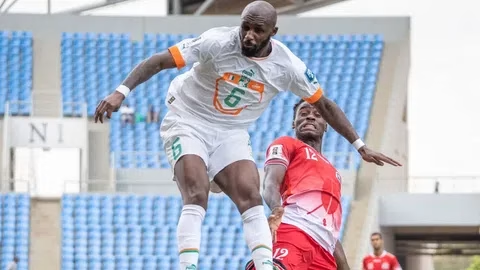
South Africa’s qualification marks a triumphant return to the World Cup after missing out on the 2022 tournament in Qatar. Bafana Bafana, as the national team is affectionately known, last appeared at the World Cup in 2010 when they hosted the tournament, becoming the first African nation to do so.
The team’s qualification campaign demonstrated resilience and tactical improvement under their coaching staff. South Africa’s football infrastructure has continued to develop since hosting the 2010 World Cup, with investments in youth development and domestic league improvements paying dividends. The nation’s Premier Soccer League has produced several talents who have gone on to compete internationally.
This qualification is particularly meaningful for South African football fans who have waited over a decade to see their team compete on the world stage again. The announcement sparked celebrations across the country, from Cape Town to Johannesburg, with fans expressing optimism about the team’s prospects in 2026.
Ivory Coast: Reigning African Champions Head to North America
Ivory Coast’s qualification comes on the heels of their remarkable victory at the 2023 Africa Cup of Nations (AFCON), where they claimed the continental title on home soil. The Elephants, as they’re known, have established themselves as one of Africa’s footballing powerhouses over the past two decades.
The West African nation boasts a golden generation of players who have achieved success at the highest levels of European football. Their qualification was achieved through consistent performances in the CAF qualifying rounds, showcasing the depth and quality within their squad.
Ivory Coast’s football federation has invested heavily in grassroots development and coaching education, creating a sustainable pipeline of talent. The nation’s football academies have become models for other African countries, producing technically skilled players who adapt well to different playing styles and tactical systems.
The 2026 World Cup will provide Ivory Coast with another opportunity to showcase their abilities on the global stage. Their previous World Cup appearances, including notable runs in 2006 and 2014, demonstrated their capacity to compete with the world’s best teams despite facing challenging group draws.
Senegal: Consistency and Excellence in African Football
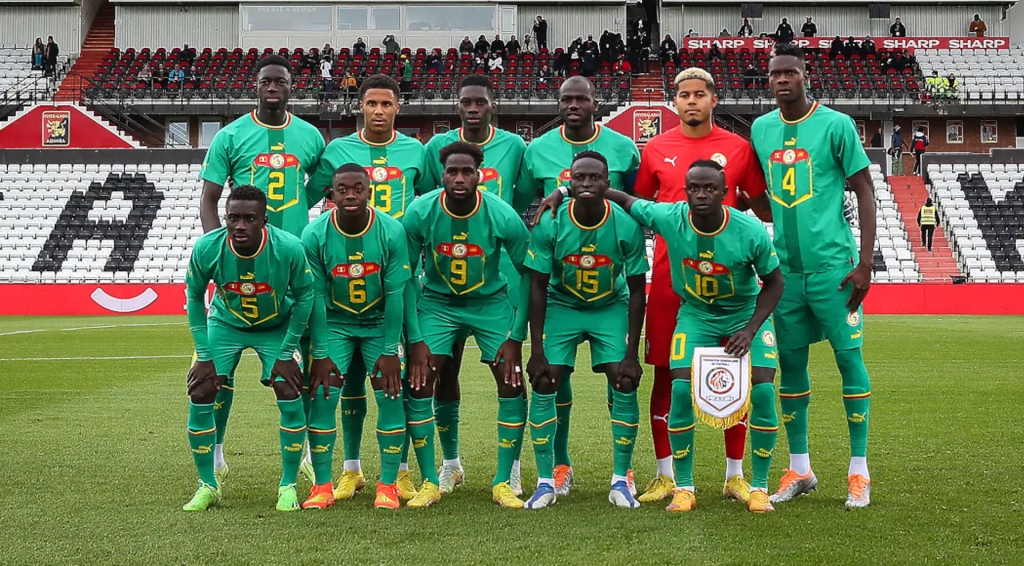
Senegal’s qualification further cements their status as one of Africa’s most consistent and competitive national teams. The Lions of Teranga have appeared in three of the last four World Cups, including a historic run to the quarter-finals in 2002 and a strong showing in Qatar 2022.
Led by world-class players competing in Europe’s elite leagues, Senegal has maintained high standards through effective talent identification and development programs. The team’s qualification campaign was characterized by organized defensive play and clinical finishing, attributes that have become hallmarks of Senegalese football.
Senegal won the Africa Cup of Nations in 2021, defeating Egypt in the final, which added to their growing trophy cabinet and international reputation. This success has been built on a foundation of excellent coaching, strategic planning by the football federation, and the emergence of talented players from their domestic league and international academies.
The nation’s football culture emphasizes technical skill, physical conditioning, and tactical discipline. These qualities have made Senegal a formidable opponent in international competitions and a team that other nations prepare extensively to face.
Implications for African Football
The qualification of South Africa, Ivory Coast, and Senegal has broader implications for African football’s development and global perception. These three nations joining other African qualifiers demonstrates the continent’s competitive depth and the effectiveness of recent investments in football infrastructure.
The expanded World Cup format provides African nations with more opportunities to gain international experience and showcase their talents to global audiences. This exposure can lead to increased commercial opportunities, sponsorship deals, and investments in domestic leagues.
For young African footballers, seeing their national teams compete at the World Cup serves as inspiration and motivation. The qualification of these three teams will likely encourage increased participation in youth football programs across their respective countries and the broader continent.
The economic impact of World Cup qualification extends beyond the immediate sporting achievement. Qualified nations typically experience boosts in tourism, merchandise sales, and media attention. Local businesses, particularly in the hospitality sector, often benefit from increased interest in the national team. Explore our Economy section for more insights on how major sporting events impact national economies.
Reactions from Football Stakeholders

Football federations across the three qualified nations have expressed pride and satisfaction with the achievement. Official statements have praised the players, coaching staff, and support teams for their dedication and hard work throughout the qualification campaign.
Fans have taken to social media and streets to celebrate the qualification, with hashtags related to the teams trending across digital platforms. The announcement has generated significant engagement online, demonstrating the passionate following that African football commands. Visit Technology articles to understand how digital platforms are transforming sports engagement.
Former players and football analysts have praised the qualified teams while emphasizing the importance of proper preparation for the tournament. Many have called for continued investment in training facilities, coaching education, and player development to ensure competitive performances in 2026.
Government officials in the three countries have also congratulated the teams, recognizing the unifying power of football and its ability to bring national pride. Some governments have announced plans for celebrations and have pledged support for the teams’ World Cup preparation.
Commercial and Broadcast Impact
The qualification of these three nations has significant implications for broadcasters and commercial partners. African media rights for the World Cup become more valuable with increased continental representation, potentially leading to better broadcast deals for local and regional networks.
Sponsors are likely to increase their investments in these national teams as World Cup qualification provides enhanced visibility and marketing opportunities. Jersey sponsors, equipment manufacturers, and other commercial partners typically see substantial returns on investment when teams reach major tournaments.
The qualification also impacts football merchandise sales, with official team jerseys, scarves, and other fan gear expected to see increased demand in the lead-up to the tournament. This commercial activity supports local businesses and creates employment opportunities in manufacturing and retail sectors.
Preparation and Challenges Ahead

While qualification is a significant achievement, the real work begins now for these three nations. Preparing for the World Cup requires comprehensive planning, including scheduling international friendlies against quality opposition, finalizing squad selections, and developing tactical approaches for the tournament.
Each team will face unique challenges in their preparation. Travel logistics, player fitness management, and adapting to playing conditions in North America will require careful consideration. The coaching staff will need to balance club commitments of players with national team preparation schedules.
Financial resources for World Cup preparation vary among the three nations, and securing adequate funding for training camps, travel, and support staff will be crucial. FIFA provides participation fees to qualified teams, but additional resources are often needed for optimal preparation.
The teams will also need to navigate the complexities of squad selection, balancing experienced players with emerging talents. Creating team cohesion among players who compete for different clubs across various continents presents an ongoing challenge that requires skillful management.
Historical Context and Legacy
The qualification of South Africa, Ivory Coast, and Senegal adds another chapter to Africa’s World Cup history. Since Cameroon became the first African team to reach the World Cup quarter-finals in 1990, the continent has progressively improved its performances at the tournament.
African teams have produced memorable World Cup moments, from Senegal’s upset victory over France in 2002 to Ghana’s near-miss in reaching the semi-finals in 2010. Each tournament provides opportunities for African nations to challenge stereotypes and demonstrate the quality of football played on the continent.
These qualifications contribute to the legacy of African football and inspire future generations of players. Young footballers across the continent will see these achievements as proof that with dedication, proper training, and organizational support, African teams can compete at the highest levels. Learn more on our About Us page about our commitment to covering African achievements in sports and beyond.
The Broader African Qualification Picture

While South Africa, Ivory Coast, and Senegal have secured their spots, the qualification process continues for other African nations competing for the remaining automatic spots. The expanded format means more African teams will have opportunities to qualify, creating intense competition in the remaining qualifying matches.
Traditional African football powers such as Nigeria, Egypt, Ghana, and Cameroon are among those still competing for qualification spots. The final rounds of qualifying will determine which additional African nations will join the already qualified teams in North America.
The competitive nature of African qualifying reflects the overall improvement in football standards across the continent. Nations that previously struggled in qualification campaigns have invested in development programs and are now producing competitive teams.
Looking Ahead to 2026
The 2026 FIFA World Cup promises to be a landmark event for African football. With increased representation and the three qualified teams already confirmed, expectations are high for African performances at the tournament.
The tournament will take place across multiple cities in the United States, Canada, and Mexico, providing unique challenges and opportunities for all participating teams. African teams will need to adapt to different climates, time zones, and playing surfaces across the host nations.
Fan engagement and support will be crucial factors in the teams’ performances. African diaspora communities in North America are expected to provide strong support for their national teams, creating vibrant atmospheres at matches and contributing to the tournament’s overall cultural richness.
The qualification of South Africa, Ivory Coast, and Senegal sets the stage for what could be historic performances by African teams at the 2026 World Cup. Each team brings unique strengths, playing styles, and narratives that will add to the tournament’s appeal and unpredictability.
Conclusion

The qualification of South Africa, Ivory Coast, and Senegal for the 2026 FIFA World Cup represents a significant achievement for African football. These three nations have earned their places through competitive qualification campaigns, demonstrating the talent, organization, and determination that characterize modern African football.
As preparations begin for the tournament, these teams will carry the hopes and aspirations of millions of fans across Africa and the global diaspora. Their presence at the World Cup provides opportunities to showcase African football’s quality, challenge established football powers, and inspire future generations of players.
The expanded World Cup format has created more opportunities for African representation, and these three qualified nations are well-positioned to make meaningful impacts at the tournament. With proper preparation, support, and execution, South Africa, Ivory Coast, and Senegal can compete effectively and potentially achieve historic results in 2026. Get in touch via Contact Us if you have thoughts or insights to share about African football’s journey to the World Cup.
Stay updated with the latest developments in African football and global sports by following our comprehensive coverage. Back to Home for more breaking news and analysis.


