Kenyan Authorities Crack Down on Gold Scam Operation as Investigations Reveal Elaborate Con Scheme
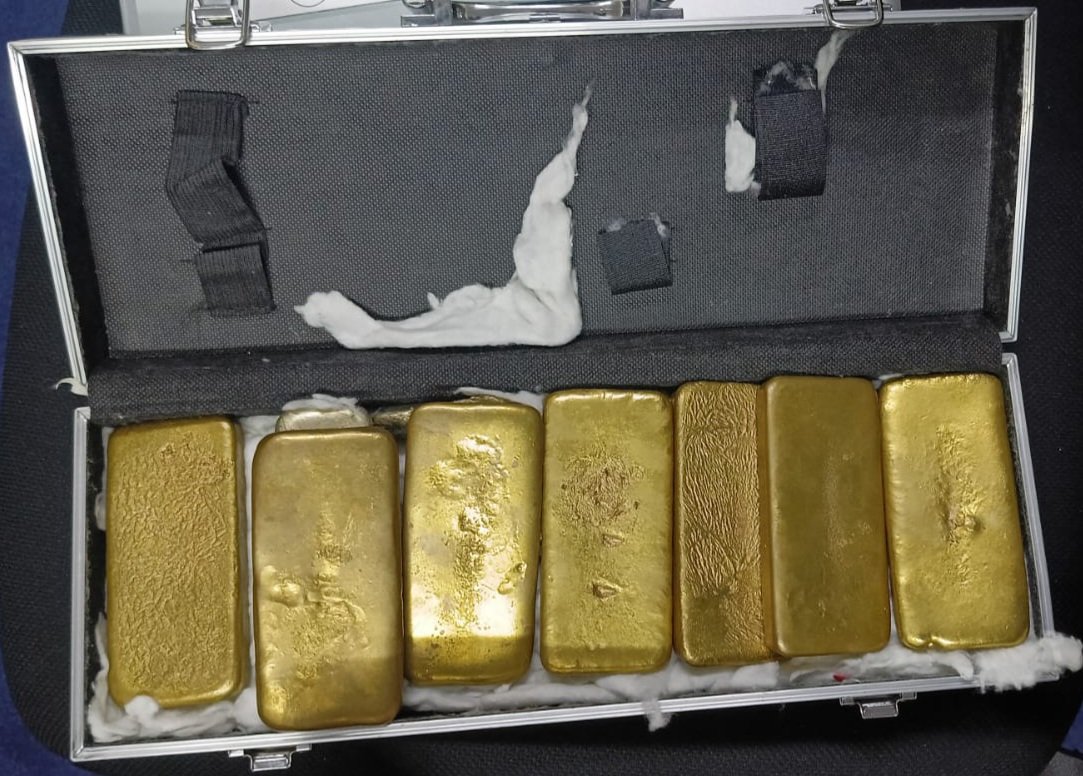
The Directorate of Criminal Investigations (DCI) has apprehended a suspected fraudster in Langata, Nairobi, following allegations of a sophisticated gold scam that defrauded a victim of $34,800. The arrest marks another significant step in Kenya’s ongoing efforts to combat fake gold syndicates that have tarnished the country’s reputation in international trade circles.
According to preliminary reports from the DCI, the suspect allegedly posed as a legitimate gold dealer, promising to supply substantial quantities of gold to unsuspecting buyers. The fraudulent operation, which appears to have been carefully orchestrated, highlights the persistent challenge of fake gold scams in Kenya’s informal precious metals trade.
Background of Gold Scams in Kenya
Kenya has long struggled with the proliferation of fake gold dealers who prey on both local and international investors seeking to purchase precious metals. These elaborate schemes typically involve sophisticated presentation techniques, fake documentation, and sometimes even counterfeit gold samples designed to deceive potential buyers.
The fake gold trade has become a significant concern for law enforcement agencies in Kenya, particularly in Nairobi where many such operations are based. These syndicates often target foreign investors who may be less familiar with local market practices and regulatory frameworks, making them vulnerable to deception.
Over the past decade, numerous cases of gold fraud have been reported across the country, with losses ranging from thousands to millions of dollars. The scams have not only resulted in financial losses for victims but have also damaged Kenya’s reputation as a trading partner in the international precious metals market.
Details of the Langata Arrest
The suspect was arrested in Langata, a suburb of Nairobi, following a complaint filed by a victim who allegedly lost $34,800 in the fraudulent transaction. According to sources familiar with the investigation, the victim had been approached with an offer to purchase gold at competitive rates, a common tactic used by fraudsters in this sector.
Investigators believe the suspect employed various deceptive techniques to gain the victim’s trust, potentially including the presentation of fake certificates of authenticity, forged government documentation, or samples of gold-plated metals designed to pass cursory inspection. These methods are hallmarks of organized gold fraud operations that have plagued Kenya’s informal trade sector.
The DCI has not yet released the full identity of the suspect pending further investigation, but authorities have confirmed that the individual is currently in custody and assisting with inquiries. Detectives are working to establish whether the suspect operated alone or was part of a larger criminal network involved in similar fraudulent activities.
How the Fraud Scheme Operated
Based on similar cases investigated in the past, fake gold scams typically follow a predictable pattern. Fraudsters initially make contact with potential victims through various channels, including online platforms, business referrals, or direct approaches at hotels and business centers frequented by international visitors.
Once contact is established, the suspects often arrange meetings at seemingly legitimate locations, sometimes even renting office spaces to create an impression of authenticity. They present elaborate documentation, including fake licenses, certificates of origin, and assay reports that appear to verify the legitimacy of their gold supplies.
In many cases, victims are shown samples of what appears to be genuine gold, which may pass basic tests such as acid testing or visual inspection. However, these samples are often gold-plated base metals or small quantities of real gold used specifically to deceive buyers before the actual transaction takes place.
The fraudsters then request advance payment or deposit fees, citing various reasons such as export documentation, security deposits, or processing fees. Once payment is received, the suspects either disappear entirely or deliver worthless materials instead of genuine gold, leaving victims with significant financial losses and little recourse for recovery.
DCI’s Response and Investigation Methods
The Directorate of Criminal Investigations has intensified its efforts to combat fake gold syndicates through enhanced surveillance, public awareness campaigns, and collaboration with international law enforcement agencies. The unit has established specialized teams trained to investigate precious metals fraud and equipped with tools to identify sophisticated scam operations.
In this particular case, investigators likely utilized a combination of financial tracking, telecommunications analysis, and physical surveillance to locate and apprehend the suspect. The DCI has become increasingly sophisticated in its approach to combating these crimes, employing forensic accounting techniques to trace money flows and identify criminal networks.
Authorities are now working to determine the full extent of the fraud, including whether there are additional victims who may not have yet come forward. The investigation will also focus on identifying any accomplices who may have assisted in the operation, as fake gold scams rarely involve just a single individual.
Legal Implications and Potential Charges
Under Kenyan law, fraud and obtaining money through false pretenses carry severe penalties. If convicted, the suspect could face substantial prison time and be required to pay restitution to victims. The specific charges will depend on the findings of the ongoing investigation and the evidence gathered by prosecutors.
The case falls under various provisions of the Penal Code, including sections dealing with obtaining goods or money by false pretenses, conspiracy to defraud, and forgery of documents. Each of these offenses carries its own penalties, which can be compounded if multiple charges are filed.
Legal experts note that successful prosecution of fake gold cases often depends on the quality of evidence collected, including financial records, communication logs, and expert testimony regarding the authenticity of materials involved. The DCI’s ability to build a comprehensive case will be crucial to ensuring justice for the victim.
Impact on Kenya’s Trade Reputation
Fake gold scams have had a notable impact on Kenya’s reputation in international trade circles. Despite the country’s legitimate mining sector and growing economy, recurring fraud cases have made some foreign investors wary of engaging in precious metals transactions with Kenyan entities.
The government has recognized this challenge and has taken steps to regulate the gold trade more effectively. These measures include stricter licensing requirements for gold dealers, enhanced oversight of precious metals exports, and public awareness campaigns warning potential buyers about common fraud tactics.
International trade organizations have also called for greater cooperation between Kenyan authorities and foreign law enforcement agencies to combat these transnational crimes. Many victims of fake gold scams are foreign nationals, making international coordination essential for prevention and prosecution efforts.
Protecting Yourself from Gold Fraud
Authorities advise anyone interested in purchasing gold in Kenya to take several precautions to avoid falling victim to fraud. First, buyers should only deal with licensed and registered gold dealers whose credentials can be independently verified through official government channels.
Potential purchasers should also insist on conducting transactions through legitimate banking channels and avoid making cash payments or transfers to personal accounts. Professional assaying services should be engaged to verify the authenticity of gold before any payment is made, and buyers should never rely solely on certificates or documentation provided by the seller.
Working with reputable legal counsel and involving law enforcement early in the transaction process can also provide additional protection. The DCI maintains a hotline for reporting suspicious gold trade activities and encourages anyone who suspects fraud to come forward immediately.
Conclusion and Future Outlook
The arrest of the suspected fake gold dealer in Langata represents an important victory in Kenya’s fight against precious metals fraud. However, it also underscores the ongoing challenge faced by authorities in eliminating these criminal operations entirely.
As investigations continue, the DCI is expected to provide further updates on the case, including potential links to other fraud operations and the possibility of additional arrests. The outcome of this case will likely influence how similar investigations are conducted in the future and may lead to enhanced regulatory measures in Kenya’s gold trade sector.
For victims of gold fraud, this arrest offers hope that justice can be served, even as it serves as a reminder of the importance of due diligence in precious metals transactions. The incident reinforces the need for continued vigilance, robust law enforcement action, and international cooperation to protect legitimate trade and eliminate fraudulent operations that undermine Kenya’s economic development.