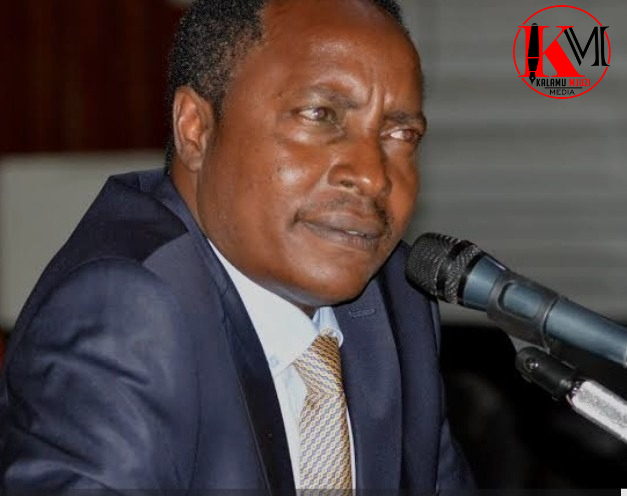
Nairobi, October 8, 2025 – In a surprising statement released Wednesday, Kenya African National Union (KANU) Chairman Hon. Gideon Moi has publicly requested Standard Group Media to reduce its critical coverage of the government, citing a new political understanding between KANU and the ruling United Democratic Alliance (UDA) party. The statement marks a significant shift in Kenya’s political landscape and raises important questions about media independence and the role of opposition parties in democratic governance.
Background: KANU’s Recent Stance on Media Freedom
The Kenya African National Union, one of Kenya’s oldest political parties, has historically played various roles in the country’s political evolution. In recent months, Hon. Gideon Moi, the party’s chairman and son of Kenya’s second president Daniel arap Moi, had been encouraging media houses, particularly the Standard Group, to hold the government accountable through robust journalism.
According to the statement released from KANU headquarters in Nairobi, Moi had “openly urged Standard Group Media to hold the government accountable and to speak boldly in defence of the public interest.” This position aligned with traditional opposition party responsibilities in a democratic system, where media scrutiny serves as a check on governmental power.
The Standard Group, which operates the Standard newspaper and KTN television network among other media platforms, is one of Kenya’s leading media organizations with significant influence on public opinion and political discourse. The media house has been known for its investigative journalism and critical reporting on government affairs. For more insights on media and technology in Kenya, see our post: How Governments Shut Down the Internet.
The New Political Understanding
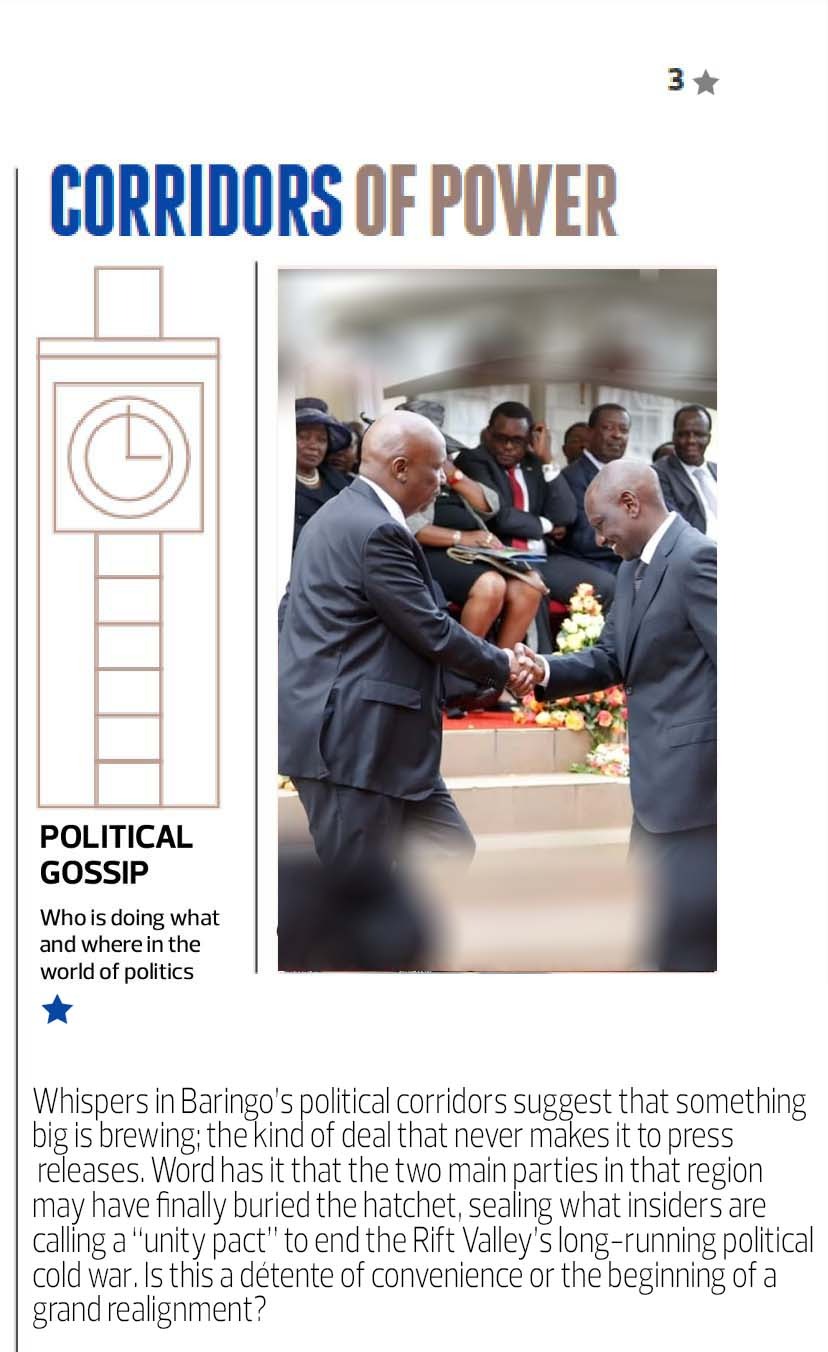
The statement reveals that the political dynamics in Kenya have undergone a transformation. Hon. Moi referenced “the new understanding between KANU and UDA,” indicating that the two parties have reached some form of political accommodation or coalition arrangement.
The United Democratic Alliance, led by President William Ruto, has been Kenya’s ruling party since the 2022 general elections. A formal or informal alliance between UDA and KANU would represent a significant realignment in Kenyan politics, potentially strengthening the government’s parliamentary position while reducing opposition voices.
Moi described this new arrangement as “entering a season of cooperation aimed at uniting the country and advancing a shared development agenda.” This language suggests that KANU views its new relationship with UDA as serving national interests rather than purely partisan considerations. The economic implications of such political realignments often affect various sectors of the economy—explore our Economy section for more analysis on how political stability impacts Kenya’s economic growth.
The Call to “Stand Down”
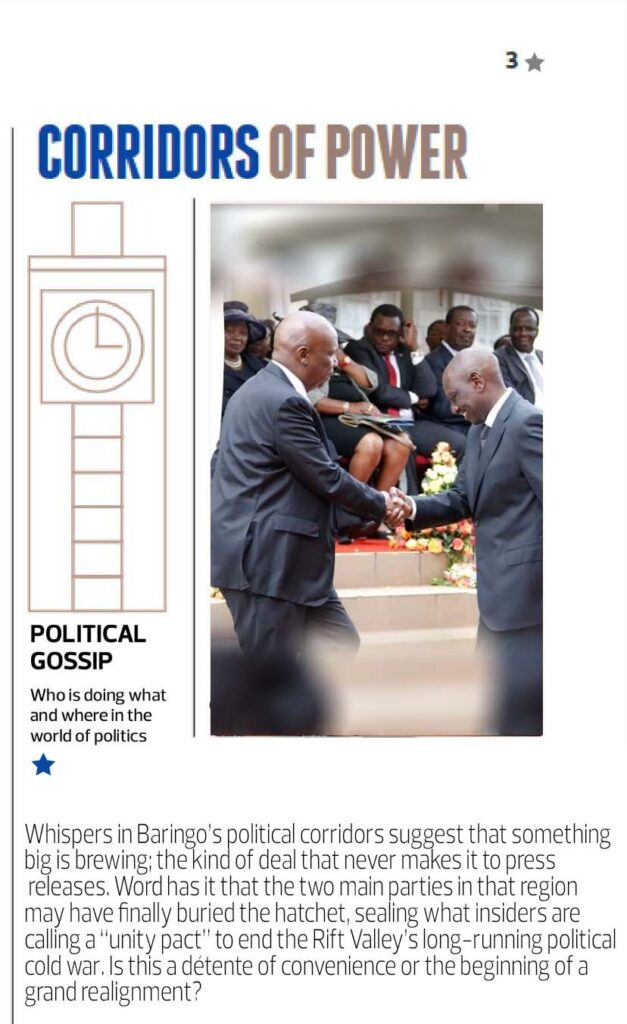
The core message of Moi’s statement is a direct appeal to Standard Group Media to moderate its coverage of the government. “In this new context, I am asking Standard Group to stand down from its previous posture of heightened criticism toward the government,” Moi stated.
The KANU chairman framed this request as promoting “responsible engagement, one that promotes stability, reconciliation, and progress for all Kenyans.” He emphasized that while “freedom of the press remains vital,” it should now “serve the higher purpose of national cohesion and constructive dialogue.”
This request has immediately sparked debate about the appropriate relationship between political parties and media organizations. Media independence advocates argue that news organizations should maintain editorial independence regardless of political alignments, while others may view Moi’s call as a plea for more balanced coverage during a period of political cooperation.
Reactions from Media and Civil Society
While official reactions from Standard Group Media were not immediately available at the time of publication, media stakeholders and civil society organizations have begun weighing in on the implications of Moi’s statement.
Kenya’s media landscape has historically faced various pressures from political actors seeking favorable coverage or reduced scrutiny. The country’s 2010 constitution includes strong protections for press freedom, and Kenya generally ranks among the more media-friendly nations in East Africa, though challenges persist.
Media rights organizations typically maintain that editorial decisions should be made by journalists and editors based on newsworthiness and public interest, not political considerations. The request from a political leader for a media house to alter its coverage approach, even when framed in terms of national unity, raises concerns about potential erosion of editorial independence. Visit Technology articles to understand how digital media is reshaping Kenya’s information landscape.
Civil society activists have previously warned against conflating political cooperation with reduced accountability. Democratic governance theorists argue that media scrutiny becomes even more important when political parties form coalitions, as it helps ensure that such arrangements serve public rather than purely partisan interests.
Historical Context of KANU-Government Relations
KANU’s history is deeply intertwined with Kenya’s political development. The party governed Kenya from independence in 1963 until 2002, initially under founding president Jomo Kenyatta and subsequently under Daniel arap Moi, who led the country from 1978 to 2002.
After losing power in 2002, KANU has played various roles as an opposition or coalition partner with different administrations. Under Gideon Moi’s leadership, the party has sought to maintain relevance in Kenya’s evolving multi-party system, sometimes aligning with government and sometimes operating in opposition.
The party’s decision to enter into cooperation with UDA appears to be its latest strategic positioning. Political analysts suggest this move may be driven by various factors including legislative influence, resource allocation for constituencies represented by KANU politicians, and the party’s long-term survival strategy in an increasingly competitive political environment.
Implications for Kenya’s Democratic Space
The statement raises broader questions about the state of Kenya’s democratic institutions and the relationship between political power and media freedom. Kenya has made significant strides in democratic governance since the return to multi-party democracy in the early 1990s, but challenges remain.
Press freedom advocates emphasize that a vibrant democracy requires robust media that can scrutinize government actions regardless of which parties are in power or opposition. The ability of media to “speak truth to power” is considered essential for accountability, transparency, and good governance.
When opposition parties reduce their critical stance toward government, the role of independent media becomes even more crucial in providing checks and balances. Some observers worry that Moi’s statement could signal a broader trend of opposition parties softening their scrutiny of government in exchange for political accommodation.
However, others argue that responsible criticism and constructive engagement are not mutually exclusive. Political cooperation does not necessarily require abandoning all oversight, and media coverage can be both fair and critical when circumstances warrant. Political stability and effective governance have direct impacts on citizens’ daily lives—read Parenting in Kenya 2025 to see how political decisions affect family life and social welfare.
The “Building Bridges” Message
Moi concluded his statement with a call for unity: “Let us move forward together, building bridges, not walls.” This language echoes previous national dialogue initiatives in Kenya, including the “Building Bridges Initiative” that followed the disputed 2017 elections.
National unity appeals are common in Kenyan politics, particularly following periods of political tension or in the face of economic challenges. The question facing analysts and citizens is whether such appeals should translate into reduced scrutiny of government actions or whether accountability mechanisms should remain robust regardless of political alignments.
The economic dimension of political stability cannot be overlooked. Kenya’s business environment and investor confidence are often influenced by political cooperation and predictability. Read How M-PESA Transformed Kenya’s Economy to understand how political stability has enabled technological and financial innovation in the country.
Looking Ahead
As Kenya navigates this new political landscape, several questions remain unanswered. The nature and terms of the KANU-UDA understanding have not been fully disclosed, leaving observers to speculate about what commitments each party has made and what this means for governance and opposition politics.
The response from Standard Group Media to Moi’s request will be closely watched as an indicator of media independence in Kenya. How the media house balances its editorial responsibilities with political pressures will likely influence broader discussions about press freedom in the country.
Additionally, the reaction of other opposition parties and civil society organizations to this development will shape the future of Kenya’s democratic space. If KANU’s move toward cooperation with government becomes a broader trend, it could significantly alter the dynamics of political accountability in the country.
Beyond politics, Kenyans continue to focus on their daily lives and aspirations. From economic opportunities to lifestyle choices, the nation’s diverse interests reflect a population looking toward the future—check out Trending Men’s Fashion 2025 for a glimpse of Kenya’s vibrant cultural scene.
Conclusion
Hon. Gideon Moi’s statement represents a notable moment in Kenya’s ongoing political evolution. His call for Standard Group Media to reduce critical coverage of the government, framed within the context of KANU-UDA cooperation, highlights the complex interplay between politics, media, and democratic governance.
As Kenya moves forward, the challenge will be maintaining the balance between political cooperation for national development and the accountability mechanisms that ensure such cooperation serves the public interest. The coming weeks and months will reveal how various stakeholders—political parties, media organizations, and civil society—navigate this new landscape and what it means for Kenya’s democratic trajectory.
The statement, issued on Wednesday, October 8, 2025, from Nairobi, serves as a reminder that democracy requires constant vigilance and that the relationship between political power and press freedom remains a critical issue for Kenya and democracies worldwide.
Stay informed with Kalamu Mjuzi: For more news and analysis on Kenya’s political, economic, and social developments, back to home for the latest posts. Learn more on our About Us page or get in touch via Contact Us to share your thoughts on this story.