Overview of the Incident
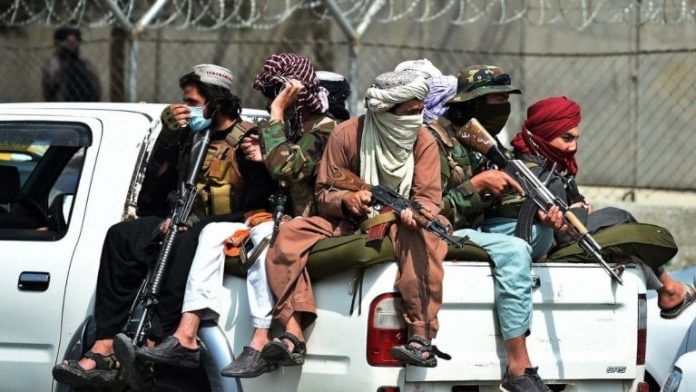
Afghanistan announced on Sunday that it conducted overnight border operations resulting in the deaths of 58 Pakistani soldiers, citing repeated violations of its territorial sovereignty and airspace as justification for the military action. Pakistan’s military, however, contested these figures significantly, reporting substantially lower casualty numbers and stating that 23 of its troops were killed in the same operations. The conflicting casualty reports highlight the ongoing tensions between the two neighboring nations and underscore the challenges in verifying information from border conflict zones.
Background: Afghanistan-Pakistan Border Relations
Historical Context of Cross-Border Tensions
The Afghanistan-Pakistan border has long been a source of geopolitical tension between the two nations. The Durand Line, established during the British colonial era, divides the region and has remained a contentious boundary throughout both countries’ modern histories. Issues of territorial integrity, cross-border militancy, refugee flows, and military incursions have characterized relations between Kabul and Islamabad for decades.
The border region is characterized by difficult terrain, sparse population centers in many areas, and limited government control in certain sections. These geographical and administrative challenges have made the border difficult to monitor effectively, leading to frequent disputes regarding boundary violations and unauthorized military operations. Both nations have accused each other of conducting operations that violate international agreements governing cross-border conduct.
Previous Incidents and Escalation
Afghanistan and Pakistan have experienced numerous border skirmishes in recent years, reflecting broader strategic competition in South Asia. These incidents have ranged from artillery exchanges to aerial engagements, with civilian populations in border areas often bearing the consequences of such military confrontations. Previous incidents have also resulted in significant casualty disputes, with each side claiming lower losses and higher enemy casualties.
The Sunday operations represent another escalation in what observers describe as a pattern of tit-for-tat military responses. Regional security analysts have warned that such escalations risk destabilizing the broader South Asian region and could potentially invite international intervention or mediation efforts.
Details of the Military Operations

Afghan Government’s Account
According to Afghanistan’s official statement released Sunday, the military operations were conducted overnight in response to what the government characterized as repeated violations of Afghan territory and airspace by Pakistani forces. The Afghan government claimed to have killed 58 Pakistani soldiers during these operations, framing the action as a defensive measure to protect national sovereignty.
Afghan military officials stated that Pakistani forces had repeatedly crossed into Afghan airspace and territory, conducting operations without authorization. The statement emphasized that Afghanistan took action to defend its borders and uphold its territorial integrity. The Afghan government did not provide specific details regarding the locations of the operations or the exact nature of the violations that prompted the military response.
Pakistani Military Response
Pakistan’s military issued a contrasting statement regarding the same incident, reporting significantly different casualty figures. The Pakistani military announced that 23 of its soldiers were killed during the overnight operations, representing less than half the figure claimed by Afghanistan. This substantial discrepancy in casualty reports is not unusual in cross-border conflicts, where verification of casualties remains extremely difficult.
Pakistan’s military did not immediately provide detailed information about the circumstances leading to the casualties or the exact locations where its troops were engaged. However, Pakistani defense officials indicated that their forces were operating in border defense positions when they came under attack.
International Implications and Strategic Context
Regional Security Concerns
The border conflict between Afghanistan and Pakistan occurs within a broader context of South Asian security challenges. The region has historically been prone to interstate disputes and proxy conflicts. International observers have expressed concern that escalating military tensions between Afghanistan and Pakistan could draw in other regional powers or complicate international efforts to promote stability in South Asia.
The conflict also raises questions about the stability of Afghanistan following the Taliban’s takeover of the country. Pakistan has historically maintained influence in Afghanistan through various political and military channels. Changes in Afghanistan’s governance structure and military organization have created new uncertainties regarding border management and cross-border relations.
Verification Challenges
One of the most significant aspects of border conflicts in this region is the difficulty in verifying claims made by either side. The mountainous, remote terrain along the Afghanistan-Pakistan border makes independent verification of casualty figures and operational details extremely challenging. International media organizations and human rights groups often struggle to confirm accounts from either government due to limited access to affected areas.
Military analysts note that casualty discrepancies are common in such incidents, with both sides often motivated to report lower losses and higher enemy casualties for purposes of domestic morale and international perception. Establishing an objective account of what occurred typically requires time and, ideally, international mediation or investigation.
Reactions from Regional and International Communities
International Response
The international community has expressed concern regarding the escalation of tensions between Afghanistan and Pakistan. Diplomatic representatives from several nations have called for restraint and dialogue between the two governments. The United Nations, which maintains a presence in Afghanistan, has typically urged all parties to resolve disputes through peaceful means and to respect international humanitarian law.
Traditional allies of Pakistan, including China and Saudi Arabia, have urged diplomatic resolution of the dispute. Similarly, countries with interests in Afghan stability have called for de-escalation and renewed emphasis on dialogue between Kabul and Islamabad.
Regional Perspectives
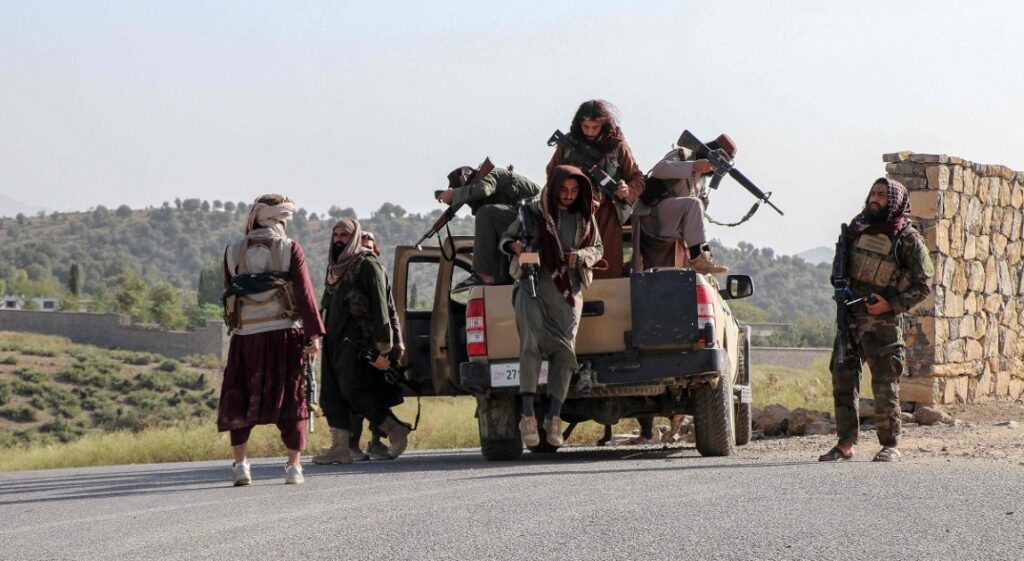
Neighboring countries, particularly Iran and Central Asian republics, have expressed concern about potential spillover effects from the Afghanistan-Pakistan conflict. Regional stability depends significantly on peaceful relations between Afghanistan and Pakistan, as conflicts in this area can have economic and security implications throughout Central and South Asia.
Broader Context: Understanding Border Disputes
Geographic and Administrative Challenges
The Afghanistan-Pakistan border encompasses difficult terrain, including high mountains, valleys, and remote areas where government control is limited. These geographical factors make border management, surveillance, and control exceptionally challenging for both nations. The sparse population in many border areas means that incidents may occur without immediate detection or reporting.
Both countries maintain military forces along the border, but the vast expanse and difficult terrain make comprehensive monitoring impossible. This reality has created situations where military operations can occur with limited transparency and verification.
International Law and Border Agreements
Internationally, border disputes are governed by the Montevideo Convention and various bilateral agreements. The Afghanistan-Pakistan border has been subject to several agreements and protocols designed to prevent unauthorized military operations and manage cross-border issues. However, implementing and enforcing these agreements remains challenging, particularly during periods of tension or when either side disputes the interpretation of boundary lines.
The Path Forward
Prospects for Dialogue
Resolving the current tensions between Afghanistan and Pakistan will likely require renewed diplomatic engagement. Both nations have the capacity to engage in productive dialogue through various channels, including bilateral negotiations, multilateral mediation, or United Nations-facilitated discussions.
Regional organizations such as the Shanghai Cooperation Organization and the Economic Cooperation Organization have expressed interest in promoting stability and dialogue among member states and neighboring countries in South Asia.
Long-Term Stability
Achieving long-term stability along the Afghanistan-Pakistan border will require addressing underlying issues that fuel tensions, including territorial disputes, migration challenges, and strategic competition. Both nations must commit to respecting each other’s sovereignty and territorial integrity while working collaboratively to address security threats emanating from non-state actors.
Explore more on geopolitical and international affairs by visiting Kala Mumjuzi or returning to our Latest Posts. For broader context on regional conflicts and international relations, consider visiting our About Us page to learn more about our coverage.
Conclusion
The reported overnight border operations between Afghanistan and Pakistan represent another significant escalation in their complex and historically contentious relationship. The substantial discrepancy in casualty figures—with Afghanistan claiming 58 Pakistani soldiers killed and Pakistan reporting 23 of its troops killed—highlights the challenges in obtaining verified information from remote border conflict zones.
While the immediate military engagement has concluded, the underlying issues that prompted the operations remain unresolved. Both nations now face critical decisions regarding their next steps, whether through military escalation or diplomatic engagement. The international community watches closely, recognizing that stability along this border has implications for regional security and development throughout South Asia.
As these events unfold, maintaining open lines of communication and commitment to international humanitarian law will be essential for preventing further escalation and working toward sustainable peace. The coming days and weeks will likely reveal whether the two nations will choose to engage in dialogue or pursue further military confrontations.
Stay informed on international developments and regional conflicts. Get in touch via our Contact Us page if you have questions or story tips, and return to our home page for more comprehensive news coverage.